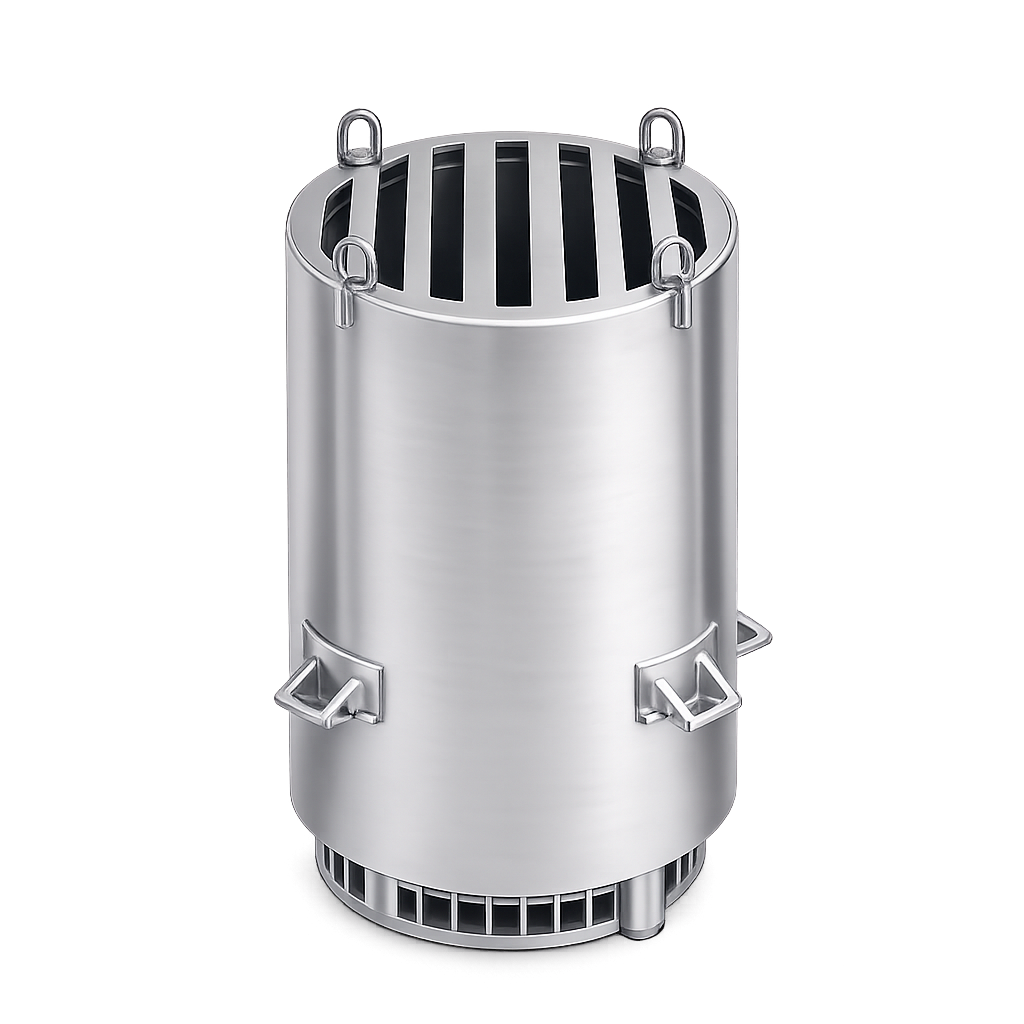
INDUSTRIAL SILENCER
EF700GR
- Custom made industrial silencer for gas and steam venting
- Designed for pressure relief and vent applications
- Engineered to minimize backpressure impact
Applications
Périmètre de service configuré
Chemical
Gas
Noise Control
Petrochemical
Key Specifications
Design typeBlowdown
Service typeGas / Steam / Vapor discharge
MaterialsCarbon Steel / Stainless Steel
Related Products
Selection & RFQ Assistant
Help us identify the right solution
Demande guidée
Préparez une ligne de demande de prix technique avec les données de service, les conditions de dimensionnement, les accessoires et les documents.
01
Service
02
Procédé
03
Options
FAQs
An industrial vent or blowdown silencer is used to reduce the noise generated when pressurized gas, steam or vapour is discharged to atmosphere. Typical applications include pressure relief, blowdown, venting and other process discharge duties where the rapid expansion of the fluid can generate high acoustic emissions. The silencer must be selected according to the actual process conditions and required acoustic performance.
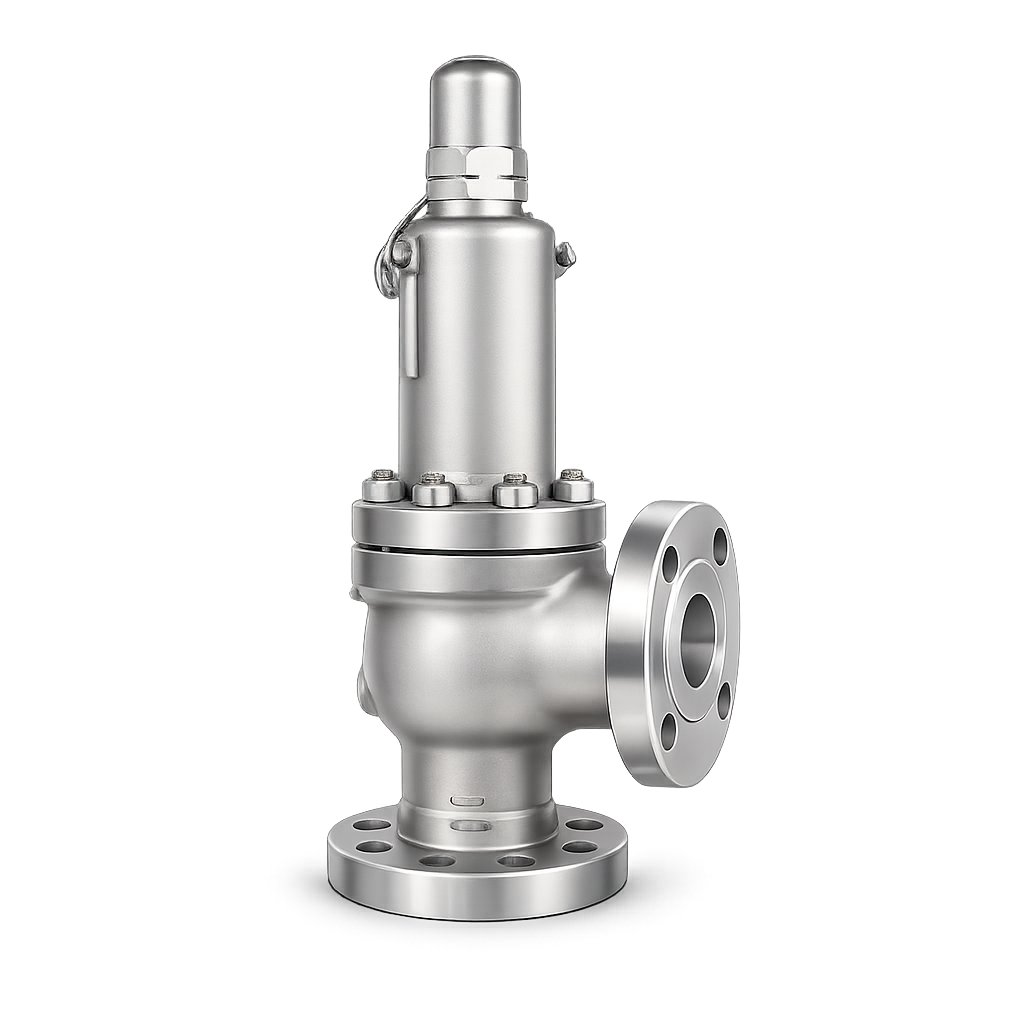
When a pressurized gas or steam stream is released through a safety or relief valve, the fluid experiences a significant pressure reduction and rapid expansion. This can generate high gas velocities and substantial aerodynamic noise, particularly in high-pressure or high-flow applications. A properly engineered vent silencer can reduce the acoustic emission generated by the discharge.
Yes. The EF700GR can be considered for pressure relief and vent discharge applications where noise reduction is required. For safety and relief valve applications, the complete discharge conditions must be evaluated because the silencer can influence the downstream pressure conditions. The required flow rate, pressure, temperature and allowable discharge conditions should therefore be provided during selection.
Yes. The EF700GR is intended for gas, steam and vapour discharge applications. The exact configuration depends on the process fluid, pressure, temperature, mass flow and required acoustic performance.
ABOUT EF700GR
The blowdown silencer is an industrial acoustic device designed to reduce noise generated during the discharge of gases or steam from pressure relief, blowdown and vent systems to atmosphere. It is typically installed downstream of safety valves or vent outlets to control sound emission during intermittent or continuous release events.
The silencer attenuates noise by combining reactive and dissipative acoustic principles, reducing sound energy while allowing controlled flow discharge. Its internal design is engineered according to process conditions such as flow rate, pressure, temperature and allowable backpressure, ensuring effective noise reduction without compromising system performance.
Each blowdown silencer is custom engineered based on project-specific data, including acoustic targets, installation constraints and operating conditions. Depending on the selected configuration, the silencer can be applied in a wide range of industrial installations where reliable noise control is required for gas or steam venting, in compliance with plant specifications and environmental requirements.
Frequently Asked Questions
An industrial vent or blowdown silencer is used to reduce the noise generated when pressurized gas, steam or vapour is discharged to atmosphere. Typical applications include pressure relief, blowdown, venting and other process discharge duties where the rapid expansion of the fluid can generate high acoustic emissions. The silencer must be selected according to the actual process conditions and required acoustic performance.
When a pressurized gas or steam stream is released through a safety or relief valve, the fluid experiences a significant pressure reduction and rapid expansion. This can generate high gas velocities and substantial aerodynamic noise, particularly in high-pressure or high-flow applications. A properly engineered vent silencer can reduce the acoustic emission generated by the discharge.
Yes. The EF700GR can be considered for pressure relief and vent discharge applications where noise reduction is required. For safety and relief valve applications, the complete discharge conditions must be evaluated because the silencer can influence the downstream pressure conditions. The required flow rate, pressure, temperature and allowable discharge conditions should therefore be provided during selection.
Yes. The EF700GR is intended for gas, steam and vapour discharge applications. The exact configuration depends on the process fluid, pressure, temperature, mass flow and required acoustic performance.
Yes. Industrial silencers can be used for steam blowdown, process venting, relief discharge and similar atmospheric discharge duties. The silencer is designed according to the actual operating conditions and required noise reduction.
The achievable noise reduction depends on the initial sound level, fluid, pressure, temperature, flow rate, required residual sound pressure level and silencer configuration. The required acoustic target should therefore be defined for the specific application rather than assuming a fixed attenuation value.
Yes. Sound pressure level varies with distance from the source. The acoustic requirement should therefore identify both the permitted sound level and the location or distance where it must be achieved.
Normally required data include: process fluid; mass flow or flow rate; inlet pressure; operating and design temperature; discharge conditions; connection size; required acoustic attenuation or maximum sound level; measurement distance; and project specifications. For relief valve applications, allowable downstream or backpressure conditions should also be provided.
Silencer size depends on flow, fluid properties, pressure reduction, temperature, acoustic requirements and allowable pressure conditions. It should therefore not be selected from pipe size alone.
A vent silencer can introduce additional resistance or backpressure in the discharge system. This must be considered during design, especially where the silencer is connected downstream of safety or pressure relief equipment.
Yes. Reducing noise at source can form part of an engineering noise-control strategy. In the European Union, Directive 2003/10/EC establishes exposure action values at 80 and 85 dB(A), with a daily exposure limit value of 87 dB(A). The legislation does not automatically prescribe a silencer, but industrial noise-control measures may be required depending on worker exposure.
Yes. Reducing high-pressure gas or steam discharge noise can help reduce the acoustic impact of an industrial installation. The applicable target depends on local regulations, environmental permits and project requirements.
The EF700GR can be supplied in carbon steel or stainless steel configurations, according to the current product range.
Yes. Painting or corrosion-protection requirements can be considered according to the installation environment and project specification.
Delivery time depends on size, material, acoustic requirements, operating conditions, quantity and project requirements. The applicable lead time is confirmed individually during quotation.
Yes. Logistics and international delivery can be coordinated according to the agreed supply scope.
Yes. Customer or third-party inspection can be considered when included in the agreed project scope.
Yes. The EF700GR can be supplied for EPC and project-managed applications where engineering, acoustic, quality, inspection and documentation requirements apply.
Applicable technical data sheets, drawings, inspection records, test documentation and material documentation can be included according to the agreed project scope. Additional requirements should be identified during the RFQ stage.