Dead Man Lever

EFDML
  • Automatic spring-return system to prevent valves remaining unintentionally open
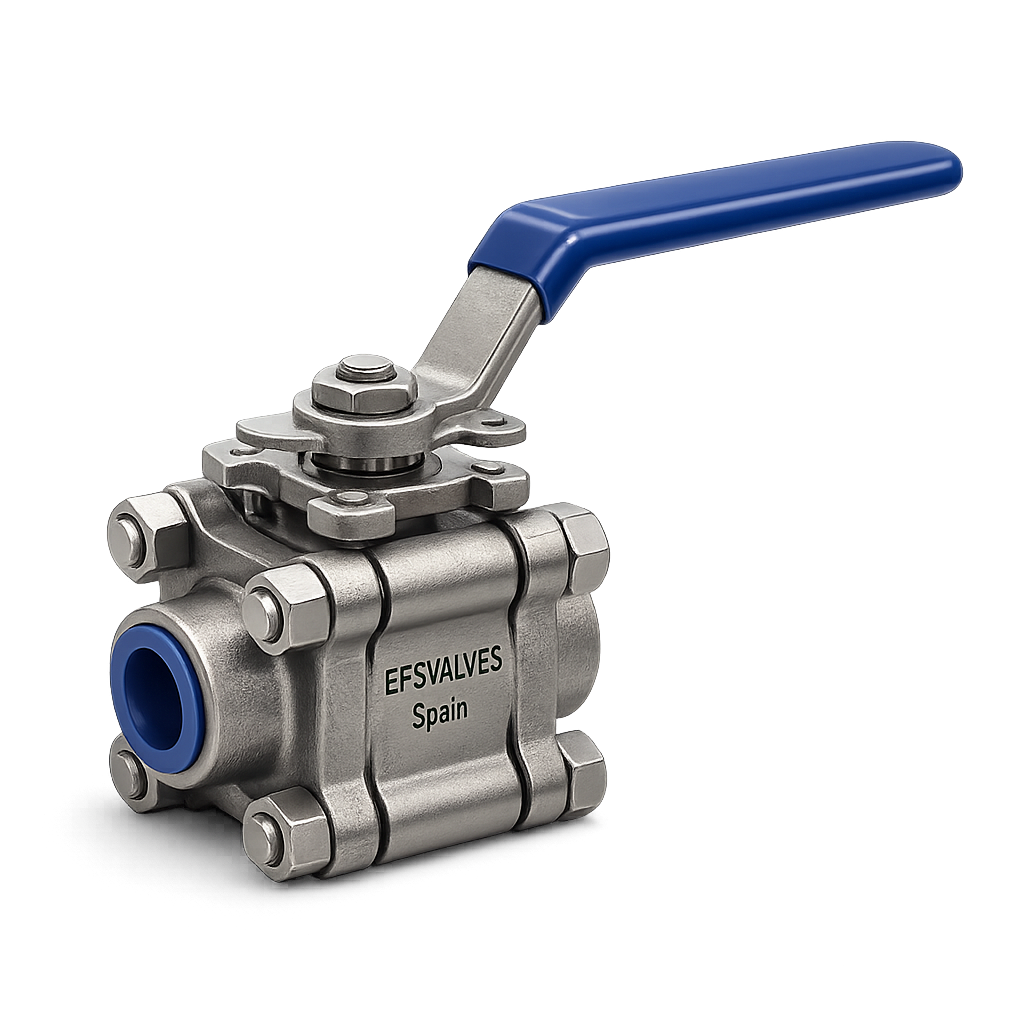
  • Suitable for manual quarter-turn valves including ball and butterfly valves
  • Improves operator safety and reduces spill or process risk in manual operations
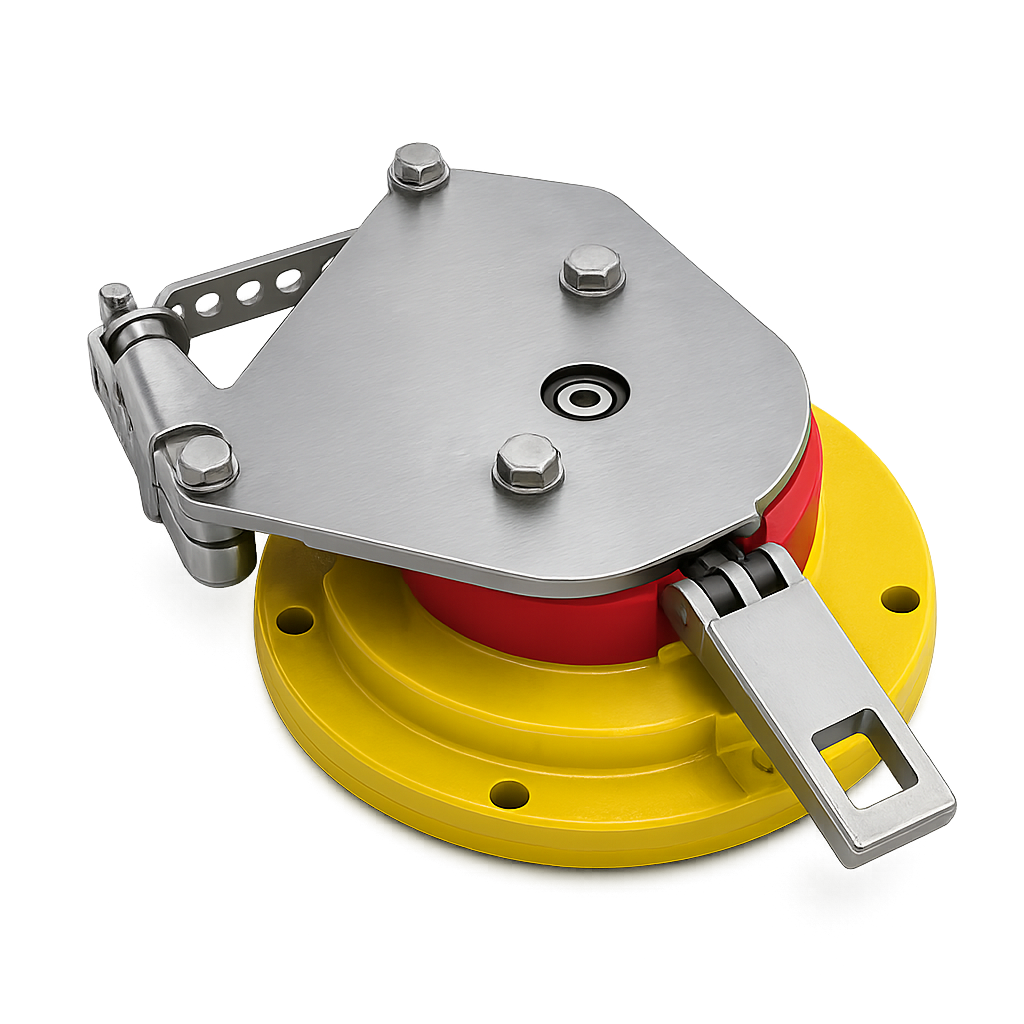
EFDML dead man lever spring-return valve handle for manual quarter-turn valves

Applications

Périmètre de service configuré
Chemical
Chemical Processing
Corrosive Service
Oil & Gas
Petrochemical
Water Treatment

Key Specifications

FUNCTIONAutomatic mechanical spring return
VALVE COMPATIBILITYManual quarter-turn ball and butterfly valves
RETURN ACTIONReturns the valve to its safe position when the lever is released
POWER REQUIREMENTNone
TYPICAL APPLICATIONSSampling, drain, purge, tank filling and emptying operations

Selection & RFQ Assistant

Help us identify the right solution
Demande guidée

Préparez une ligne de demande de prix technique avec les données de service, les conditions de dimensionnement, les accessoires et les documents.

01
Service
02
Procédé
03
Options

FAQs

A Dead Man Lever is a spring-return mechanical safety device designed to automatically return a manual valve to a safe position, typically closed, when the operator releases the handle.
Its purpose is to prevent a valve from remaining unintentionally open, reducing the risk of spills, overflows, product loss or unsafe operating conditions.
The operator must actively hold the lever to keep the valve open. Once released, the spring mechanism automatically returns the valve to its default safe position.
Dead Man Levers are commonly used with ball valves, butterfly valves and other quarter-turn manual valves. Compatibility depends on valve size, mounting arrangement and stem configuration.

ABOUT EFDML

The Dead Man Lever is a mechanical spring-return device designed to prevent manual valves from remaining open unintentionally. It is especially useful in operations where the valve must only stay open while the operator is actively holding the lever.

Commonly installed on quarter-turn valves such as ball valves and butterfly valves, the system automatically returns the valve to its safe position when the lever is released, typically closed.

This simple but effective solution helps reduce operational risks in sampling points, drains, purging lines, tank filling and emptying operations, and other manual services where an unattended open valve could cause product loss, spills, cross-contamination or safety issues.

The Dead Man Lever provides an additional mechanical safety barrier without requiring pneumatic or electric actuation, making it a practical option for facilities looking to improve safety while keeping manual operation.

Frequently Asked Questions

A Dead Man Lever is a spring-return mechanical safety device designed to automatically return a manual valve to a safe position, typically closed, when the operator releases the handle.
Its purpose is to prevent a valve from remaining unintentionally open, reducing the risk of spills, overflows, product loss or unsafe operating conditions.
The operator must actively hold the lever to keep the valve open. Once released, the spring mechanism automatically returns the valve to its default safe position.
Dead Man Levers are commonly used with ball valves, butterfly valves and other quarter-turn manual valves. Compatibility depends on valve size, mounting arrangement and stem configuration.
Yes. In many cases, a Dead Man Lever can be retrofitted to existing manual valves, depending on the valve design and mounting interface.
No. The Dead Man Lever is a fully mechanical solution and does not require electricity, pneumatics or external control systems.
Typical applications include sampling points, tank loading and unloading, drain systems, purging operations, chemical transfer lines and hazardous manual operations.
The EFDML is a fully mechanical spring-return device and does not require electrical or pneumatic power. This can make it particularly useful in installations where a simple mechanical solution is preferred. However, suitability for a hazardous area must be evaluated according to the complete valve assembly, materials, installation and applicable project requirements. ATEX compliance should only be stated where specifically confirmed for the supplied configuration.
Typically yes, although the return position can depend on the valve arrangement and installation configuration.
Depending on the model and valve size, spring force and lever configuration may be adapted to operational requirements.
Material selection depends on service conditions and valve compatibility. Stainless steel and corrosion-resistant configurations are commonly available for industrial environments.
Yes. It can be supplied as a complete valve assembly or as a retrofit kit depending on the project scope.
The system is generally low maintenance, but periodic inspection of springs, hinges and moving parts is recommended in demanding industrial environments.
No. It is an additional mechanical safety device intended to reduce human error during manual operation. It does not replace plant shutdown or emergency protection systems.
Selection depends on valve type, valve size, torque requirements, operating position, service conditions and installation constraints. Our engineering team can help identify the most suitable configuration.
A spring-return manual valve uses a mechanical spring mechanism to return the valve automatically to a predefined safe position when the operator releases the handle. With the EFDML, the operator must actively hold the lever while the valve is away from its normal safe position. No pneumatic or electric actuator is required.
A Dead Man Lever can be considered where a valve should not remain unintentionally open after the operator leaves the operating point. Typical examples include sampling, draining, purging, tank filling or emptying and manual transfer operations where an unattended open valve could result in spills, product loss or an unsafe process condition.
Yes. The EFDML automatically returns the valve to its safe position when the operator releases the lever, helping reduce the risk of a manual valve being left open unintentionally. This can be useful in chemical transfer, drain, sampling, purge and tank operations, provided that the selected valve and EFDML configuration are suitable for the process.
Yes. Drain and sampling points are specifically identified applications for the EFDML. The spring-return action can be useful where the valve should remain open only while the operator is intentionally holding the lever.
The EFDML can be supplied assembled with the valve or as a retrofit solution, depending on the project scope. For OEM, skid or project applications, valve compatibility, operating torque, required safe position and installation constraints should be defined during the RFQ stage.