THERMOPLASTIC PRESSURE RELIEF VALVE

EF712
  • Stable upstream pressure control for corrosive liquid systems
  • DN10 to DN100 with a 0.3 to 10 bar overall setting range
  • PVC-U, PP, PVDF or compact PTFE+C configurations
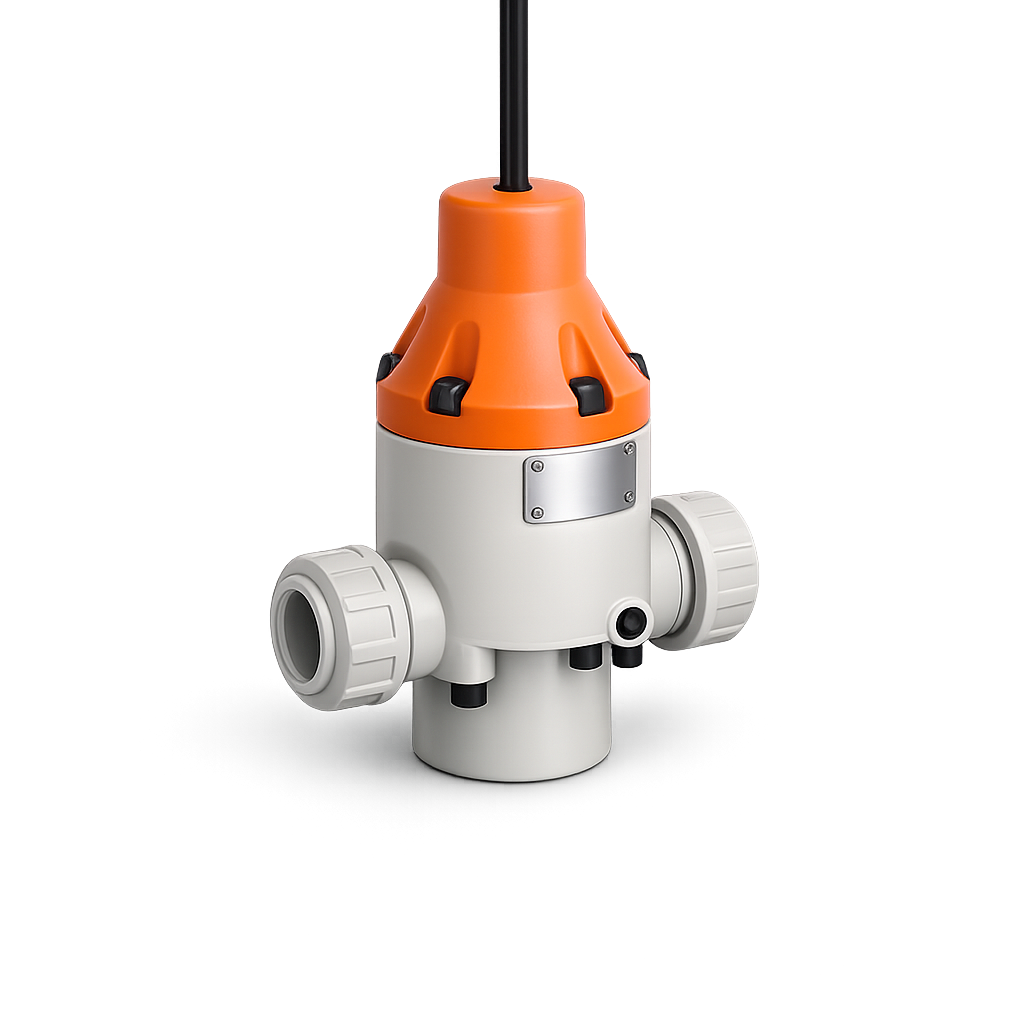
EF712 thermoplastic pressure relief valve for corrosive liquid systems

Applications

Périmètre de service configuré
Chemical
Chemical Processing
Corrosive Service
Petrochemical
Seawater / Desalination
Water Treatment

Key Specifications

NOMINAL SIZESDN10 to DN100
SET-PRESSURE RANGE0.3 to 10 bar (DN100 up to 6 bar)
TEMPERATURE RANGE-20°C to +100°C, depending on material
BODY MATERIALSPVC-U / PP / PVDF / PTFE+C
SEAL MATERIALSEPDM / FPM / PTFE
CONNECTIONSSocket / Spigot / Fixed spigot / Flanged / Fixed male thread

Selection & RFQ Assistant

Help us identify the right solution
Demande guidée

Préparez une ligne de demande de prix technique avec les données de service, les conditions de dimensionnement, les accessoires et les documents.

01
Service
02
Procédé
03
Options

FAQs

The EF712 maintains upstream pressure and relieves pressure peaks in corrosive liquid systems. Typical duties include pump bypass lines, chemical dosing, injection, water treatment and industrial fluid handling.
Process pressure acts against a spring-loaded diaphragm. When upstream pressure exceeds the selected setting, the valve opens to discharge excess pressure and closes again as the system returns to the set point.
The EF712 covers compact DN10 to DN50 configurations and large DN65, DN80 and DN100 versions. Available materials, connections and set-pressure ranges depend on the selected nominal size.
PVC-U, PP and PVDF are available across the thermoplastic range. PTFE+C is available for compact DN10 to DN50 configurations with a fixed male threaded connection.

ABOUT EF712

The EF712 is a diaphragm-controlled thermoplastic pressure relief valve for stable upstream pressure control and controlled relief of pressure peaks in corrosive liquid systems. Its low-vibration regulating behaviour makes it suitable for chemical dosing, injection, pump bypass and water-treatment duties, including pulsating-pump applications.

The range combines compact DN10 to DN50 configurations with larger DN65 to DN100 versions. Wetted body materials include PVC-U, PP and PVDF; compact DN10 to DN50 configurations are also available in PTFE+C with a fixed male thread. Depending on size and material, connections include socket, spigot, fixed spigot and flanged ends.

The overall adjustable set-pressure range is 0.3 to 10 bar. DN10 to DN80 configurations can cover duties up to 10 bar, while DN100 is available up to 6 bar. Because thermoplastic pressure limits vary with temperature, final selection must consider the chemical and concentration, pressure-temperature conditions, required relief flow, backpressure, connection, body material and seals.

Frequently Asked Questions

The EF712 maintains upstream pressure and relieves pressure peaks in corrosive liquid systems. Typical duties include pump bypass lines, chemical dosing, injection, water treatment and industrial fluid handling.
Process pressure acts against a spring-loaded diaphragm. When upstream pressure exceeds the selected setting, the valve opens to discharge excess pressure and closes again as the system returns to the set point.
The EF712 covers compact DN10 to DN50 configurations and large DN65, DN80 and DN100 versions. Available materials, connections and set-pressure ranges depend on the selected nominal size.
PVC-U, PP and PVDF are available across the thermoplastic range. PTFE+C is available for compact DN10 to DN50 configurations with a fixed male threaded connection.
DN10 to DN50 thermoplastic configurations can use socket, spigot, fixed-spigot or flanged connections. DN65 to DN100 thermoplastic configurations use fixed-spigot or flanged ends. PTFE+C configurations use a fixed male thread.
The overall adjustment range is 0.3 to 10 bar. DN10 to DN80 configurations can be selected for duties up to 10 bar, while DN100 configurations are available up to 6 bar.
Thermoplastic configurations use EPDM or FPM seals with a PTFE-coated EPDM diaphragm. The PTFE+C configuration uses PTFE sealing.
Yes. Its stable, low-vibration regulating behaviour makes it suitable for oscillating or pulsating pumps and for systems operating with constant backpressure, subject to correct sizing and configuration.
A thermoplastic pressure relief valve can be considered where the chemical compatibility of the selected non-metallic materials makes them suitable for the process fluid. The choice between thermoplastic, lined or metallic construction should consider the chemical, concentration, temperature, pressure and project requirements.
Material selection should consider the process fluid or chemical, concentration, operating temperature and pressure, the pressure-temperature limits of the selected thermoplastic, and the compatibility of every wetted seal. The complete wetted-material combination should be checked before final selection.
The EF712 can be considered for pressure-relief duties in chemical dosing systems where the selected materials, pressure range and required relief capacity are suitable. Final suitability should be checked against the chemical, concentration, temperature and operating conditions.
Yes. A thermoplastic pressure relief valve can protect a pump discharge and associated piping against excessive pressure where this forms part of the required system-protection philosophy. The setting and required relief capacity must be determined from the actual pump and process conditions.
A pressure relief valve opens when upstream pressure exceeds the selected setting to discharge excess pressure. A back-pressure valve maintains a minimum upstream pressure during normal operation. Because the functions differ, the required duty should be defined before selecting the valve.
The allowable working pressure of thermoplastic materials is temperature-dependent and may decrease as temperature rises. The pressure-temperature limits of the selected EF712 material must therefore be checked against the actual operating conditions.
The EF712 can be considered for corrosive chemical service where the selected thermoplastic and sealing materials are compatible with the fluid. Compatibility should be checked for the specific composition, concentration, temperature and pressure.
No. A pressure relief valve should be selected according to the required relief flow and process conditions, not simply by matching the pipeline diameter. The final connection size must also suit the piping and installation requirements.
Typical information includes the process fluid or chemical, concentration, operating temperature and pressure, setting pressure, required relief flow, inlet and outlet pressure conditions, preferred size and connections, thermoplastic material, seal compatibility and applicable project requirements.
Delivery time depends on the selected material, size, configuration and project requirements. Specific testing, documentation or project requirements may require additional manufacturing time.
Yes. Inspection and testing can be arranged according to the agreed project scope and applicable requirements.
Yes. Technical documentation and applicable certificates can be supplied according to the agreed project scope. Specific documentation requirements should preferably be defined during the RFQ stage.
Yes. EFSVALVES can support export packaging, logistics coordination and international delivery according to the agreed supply scope.
Yes. The EF712 can be considered for EPC and project-managed applications where chemical service, materials, pressure-temperature conditions, connections, testing and documentation requirements are defined during the RFQ stage. Final configuration should be confirmed against the project specification and actual process conditions.