THERMOPLASTIC PRESSURE RELIEF VALVE

EF718
  • Diaphragm-controlled upstream pressure stabilization and peak relief
  • DN8 to DN50, adjustable from 0.5 to 10 bar, PN10
  • Low-friction, low-vibration response for pulsating pump systems
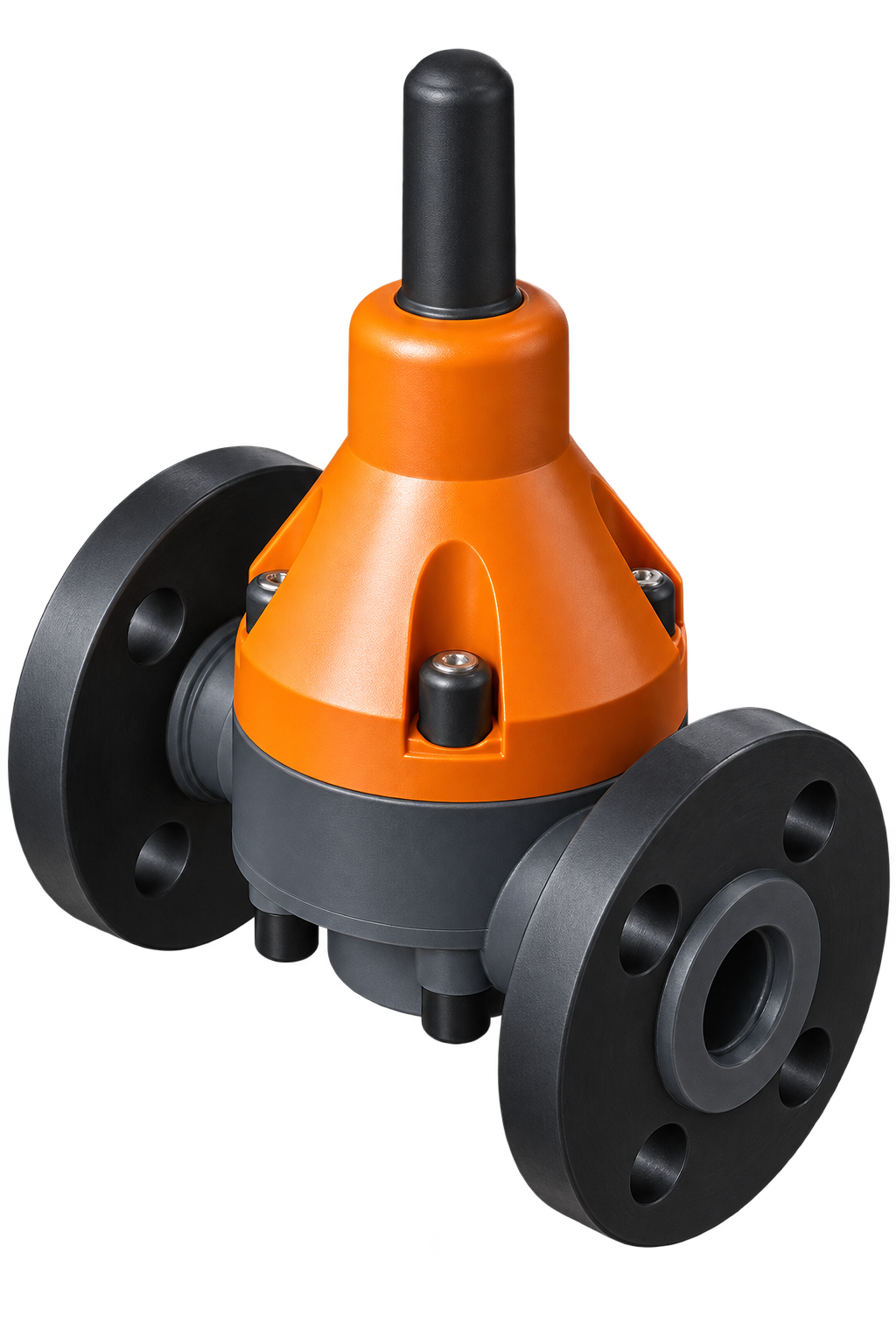
EF718 flanged thermoplastic pressure relief valve for corrosive liquid service

Applications

Périmètre de service configuré
Chemical
Chemical Processing
Corrosive Service
Galvanotechnics
Liquid Service
Water Treatment

Key Specifications

NOMINAL SIZESDN8 to DN50
SET-PRESSURE RANGE0.5 to 10 bar
NOMINAL PRESSUREPN10
TEMPERATURE RANGE-20°C to +100°C, depending on material
BODY MATERIALSPVC-U / PP / PVDF
SEAL / DIAPHRAGMEPDM or FPM / PTFE-coated EPDM
CONNECTIONSSocket / Spigot / Fixed spigot / Flanged

Selection & RFQ Assistant

Help us identify the right solution
Demande guidée

Préparez une ligne de demande de prix technique avec les données de service, les conditions de dimensionnement, les accessoires et les documents.

01
Service
02
Procédé
03
Options

FAQs

The EF718 stabilizes upstream pressure and relieves pressure peaks in liquid process systems. It is particularly suitable for chemical dosing, pump bypass, water treatment and other corrosive-liquid duties.
Upstream pressure acts beneath the diaphragm against an adjustable spring. When pressure rises above the selected setting, the diaphragm lifts and the valve opens; as pressure falls, the valve closes again to restore stable primary-side pressure.
Typical applications include chemical processing, water treatment, industrial liquid systems and galvanotechnics or electroplating plants. Its low-friction, low-vibration design is also suited to oscillating or pulsating pumps.
The EF718 can be selected for neutral and aggressive liquids, including some services containing suspended particles. Body, seal and diaphragm compatibility must be checked against the fluid composition, concentration, particle content and operating temperature.

ABOUT EF718

The EF718 is a direct media-operated, diaphragm-controlled thermoplastic pressure relief valve for stabilizing upstream pressure and relieving pressure peaks in liquid process systems. Its low-friction, low-vibration response is particularly suited to dosing and metering systems, bypass lines and oscillating or pulsating pumps.

Available from DN8 to DN50, the EF718 has an adjustable set-pressure range of 0.5 to 10 bar and a nominal pressure rating of PN10. DN8 is available in PVC-U, PP or PVDF with a socket connection; DN10 to DN50 versions are available in PVC-U or PP with socket, spigot, fixed-spigot or flanged connections, depending on size and material. Seal options are EPDM or FPM with a PTFE-coated EPDM diaphragm.

Typical duties include chemical processing, water treatment, corrosive liquid service and galvanotechnics or electroplating. The EF718 may also be selected for some liquids containing suspended particles, subject to review. It is a pressure-control and relief valve, not a certified pressure safety valve under PED. Final selection must consider fluid composition and concentration, pressure-temperature limits, required flow, backpressure, pump behaviour, materials and connections.

Frequently Asked Questions

The EF718 stabilizes upstream pressure and relieves pressure peaks in liquid process systems. It is particularly suitable for chemical dosing, pump bypass, water treatment and other corrosive-liquid duties.
Upstream pressure acts beneath the diaphragm against an adjustable spring. When pressure rises above the selected setting, the diaphragm lifts and the valve opens; as pressure falls, the valve closes again to restore stable primary-side pressure.
Typical applications include chemical processing, water treatment, industrial liquid systems and galvanotechnics or electroplating plants. Its low-friction, low-vibration design is also suited to oscillating or pulsating pumps.
The EF718 can be selected for neutral and aggressive liquids, including some services containing suspended particles. Body, seal and diaphragm compatibility must be checked against the fluid composition, concentration, particle content and operating temperature.
DN8 is available in PVC-U, PP or PVDF. DN10 to DN50 versions are available in PVC-U or PP. The correct body material depends on chemical compatibility, operating temperature and the required connection.
DN8 is supplied with a socket connection. DN10 to DN50 versions can be configured with socket, spigot, fixed-spigot or flanged connections, depending on body material and nominal size.
Seal options are EPDM or FPM. The diaphragm is PTFE-coated EPDM, combining flexible operation with chemical resistance for liquid process service.
The EF718 has an adjustable set-pressure range from 0.5 to 10 bar and a nominal pressure rating of PN10. The setting can be adjusted during operation, but final selection must consider flow, temperature and backpressure.
The valve can be installed in any mounting position provided the marked flow direction is respected. For pressure-peak relief, it is normally installed in a bypass line. The EF718 does not provide a non-return or check-valve function.
A pressure relief valve opens when upstream pressure rises above the selected setting to relieve excess pressure. A back-pressure valve maintains a required upstream pressure during normal operation. The EF718 responds to upstream pressure and can provide stabilization and pressure-peak relief, so the required duty should be defined during selection.
Yes. The EF718 can be considered for liquid dosing or metering systems where upstream-pressure stabilization or pressure-peak relief is required. Chemical compatibility, setting pressure, flow, temperature and pump conditions must be reviewed.
Oscillating and pulsating pumps can generate pressure fluctuations in the discharge line. The EF718 uses low-friction, low-vibration control behaviour to help stabilize upstream pressure and relieve pressure peaks in this type of system.
Yes. The EF718 can be installed in a bypass line to relieve pressure peaks and protect piping and equipment while allowing the main flow to continue. Its setting and required capacity must be based on the actual pump and process conditions.
A thermoplastic valve can be considered where the chemical compatibility of PVC-U, PP or PVDF makes it suitable for the process liquid. The choice between thermoplastic, lined or metallic construction should consider the chemical, concentration, temperature, pressure and project requirements.
Selection should consider the process liquid, chemical composition and concentration, operating temperature and pressure, connection requirements, and seal and diaphragm compatibility. Material availability also depends on nominal size, so the complete configuration must be checked.
Yes. Corrosive service is included in the published EF718 scope. Final suitability must still be checked against the chemical, concentration, temperature and compatibility of all wetted materials.
Yes. Galvanotechnics and electroplating plants are included in the published application scope. The selected body material and seals must be checked against the process liquid and operating conditions.
The allowable operating pressure of thermoplastic materials depends on temperature. The selected EF718 body material must therefore be checked against both actual process temperature and pressure rather than only the nominal PN rating.
No. The valve should be selected according to the required relief or control flow and process conditions, not simply by matching the pipeline diameter. The connection size must also suit the piping arrangement.
No. The EF718 is a pressure-control and pressure-relief valve for upstream-pressure stabilization and pressure-peak relief. It is not presented as a certified pressure safety valve under the Pressure Equipment Directive. Where certified emergency overpressure protection is required, the appropriate safety valve must be selected separately.
Typical information includes the process liquid, chemical composition and concentration, operating temperature and pressure, setting pressure, required relief or control flow, downstream pressure or backpressure, pump type, preferred size and connection, material and seal requirements, and applicable project requirements.
Yes. The EF718 can be considered for skid-mounted, OEM, EPC and project-managed applications where the process liquid, pressure conditions, materials, connections, testing and documentation requirements are defined during the RFQ stage. Final configuration must be confirmed against actual system conditions.