The connection type of a valve is easy to underestimate during early specification. In reality, it influences installation cost, leak tightness, maintenance access, cleanability and even whether the valve is practical for the piping philosophy of the plant.
If you are comparing flanged, threaded, welded and clamp connections, the right choice is rarely about preference alone. It depends on the service, the line size, the expected pressure and temperature, how often the valve may need to be removed, and whether the application is industrial or hygienic.
Need support with a real application? Our engineering team can help review the process conditions and define the most suitable valve connection before you commit to the final specification.
Quick answer
- Choose flanged when you need a robust, standardised and service-friendly connection for larger sizes or higher pressure classes.
- Choose threaded when the line is smaller, the installation is compact and easy replacement matters.
- Choose welded when you want a permanent, highly tight connection and the line is not expected to be dismantled often.
- Choose clamp when hygienic design, quick disassembly and cleanability are major requirements.
That quick rule is useful, but it is still only a starting point. The sections below help narrow the choice more reliably.
Connection comparison table
| Connection type | Main strength | Main trade-off | Typical fit |
|---|---|---|---|
| Flanged | Standardised, robust, easier to remove from line | More weight, more space, more bolting and gasketing | Process plants, larger sizes, higher classes, serviceable installations |
| Threaded | Compact and simple for small lines | Less suitable as size, vibration or sealing demands increase | Utility lines, small bore installations, compact skids |
| Welded | Permanent and very tight joint | Harder to remove and modify later | Critical process lines, permanent installations, reduced dismantling frequency |
| Clamp | Fast disassembly and hygienic handling | Application range is driven by hygienic design needs rather than general heavy-duty piping practice | Pharma, food, biotech, clean service and sanitary duty |
Interactive quick selector
I need the valve to come out of the line for maintenance without cutting pipeStart by reviewing flanged or clamp connections. Flanged is the usual industrial route. Clamp is the usual hygienic route.
I want the most permanent connection and I do not expect frequent removalReview welded connections first. They are commonly selected when tightness and permanence matter more than easy removal.
The line is small and I need a compact, straightforward installationThreaded connections are often the first option to review, especially in small bore services and compact skid layouts.
The application is sanitary, clean service or requires fast strip-down for inspectionClamp connections are usually the best starting point, especially where CIP, SIP and hygienic handling are part of the process philosophy.
What really drives the choice?
- Line size: some connection styles are naturally more common in small bore service, while others become more practical as size increases.
- Pressure and temperature: the connection must match the mechanical demands of the service and the code basis of the installation.
- Maintenance philosophy: ask whether the valve is expected to stay in place for long periods or be removed routinely.
- Leak tightness expectations: some projects prioritize permanent joints, while others prioritize dismantling speed.
- Hygiene and cleanability: sanitary systems have very different priorities from general industrial piping.
- Installation constraints: available space, alignment, welding access and piping support all matter.
When flanged connections make sense
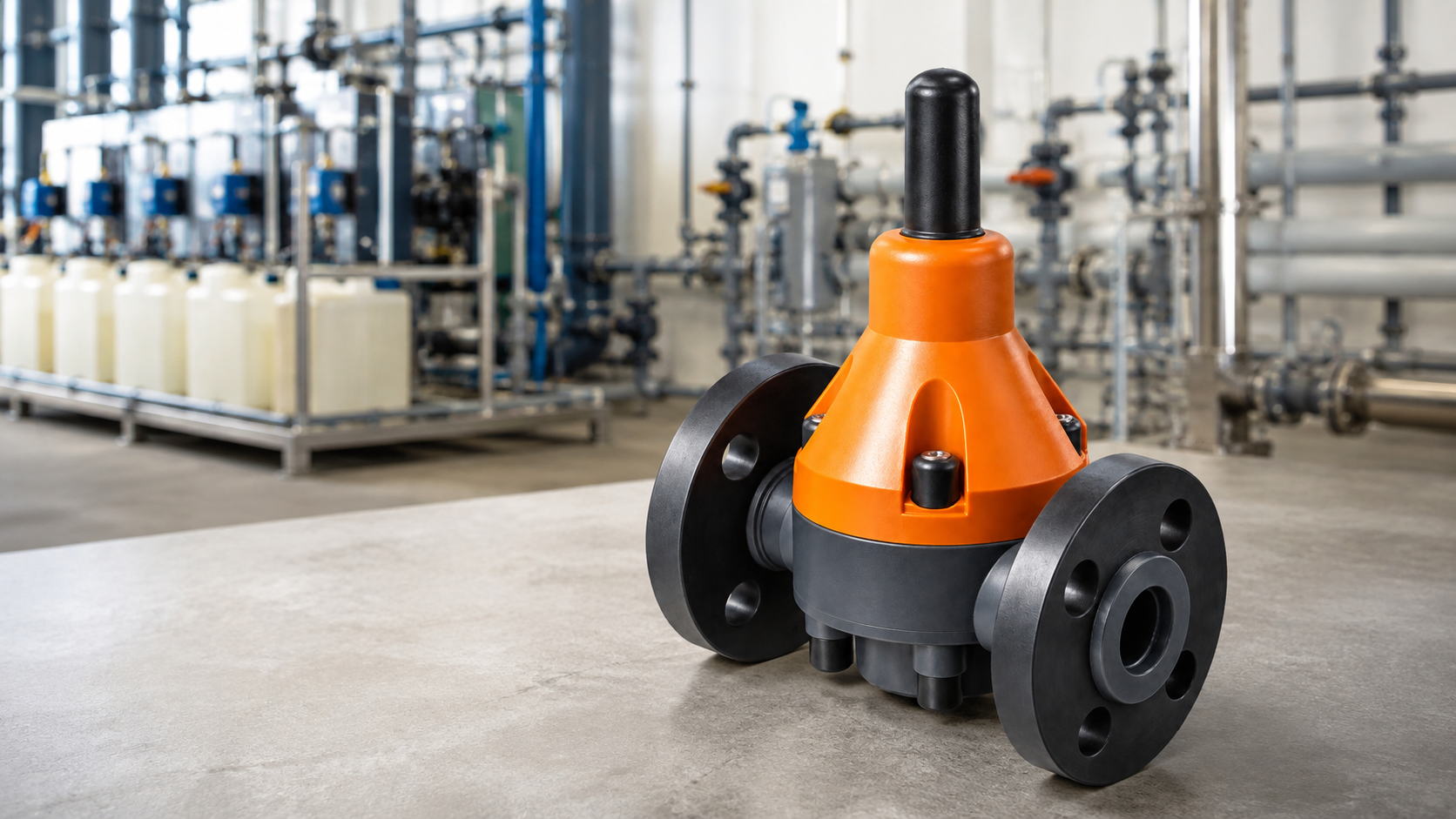
Flanged connections are often the most familiar choice in industrial process piping because they provide a standardised bolted joint that can be dismantled without cutting the pipe. They are usually a strong option when the valve may need inspection, replacement or servicing over the life of the installation.
In practical terms, flanged valves are frequently chosen for larger nominal sizes, heavier equipment and installations where plant teams want a robust connection with clear pressure-class matching.
- Good fit for larger line sizes and process duty
- Easy to remove from the line compared with welded joints
- Well aligned with common industrial flange standards and plant maintenance practice
- Usually requires more space, bolting and gasket management than more compact connections
When threaded connections make sense
Threaded connections are commonly used where the installation is compact, the line size is small and the project benefits from straightforward assembly and replacement. They are often practical in packaged systems, instrument branches, utility services and small bore valve duty.
They are attractive because they can reduce footprint and simplify handling, but they should still be reviewed against the real vibration level, sealing strategy and mechanical duty of the line.
- Useful in compact layouts and small sizes
- Typically faster to replace than welded joints
- Often a practical choice for utility and skid-based service
- Less attractive once the installation becomes larger, heavier or more demanding mechanically
When welded connections make sense
Welded connections are usually selected when the goal is a permanent and very tight joint, and when frequent removal of the valve is not expected. They are common in critical process lines where owners want to reduce demountable joints and support long-term piping integrity.
The trade-off is obvious: what is excellent for permanence is less convenient for maintenance access. If the valve later needs to be removed, the piping intervention is more involved than with flanged or clamp alternatives.
- Strong option for permanent installations
- Often preferred where leak tightness and piping continuity are high priorities
- Less convenient for frequent removal or future layout changes
- Requires proper welding procedure, access and installation planning
When clamp connections make sense
Clamp connections are strongly associated with sanitary and clean service applications. They are typically used when fast disassembly, inspection access and hygienic handling are more important than a permanent heavy-duty joint.
This is especially relevant in pharma, food, biotech and other clean-process environments where cleaning, validation and drainability are central to the design basis.
- Fast to assemble and remove
- Well suited to hygienic and clean service philosophy
- Useful where cleaning and inspection frequency are important
- Should be selected with the real sanitary standard, drainability and process design in mind
Connection by service scenario
| Scenario | Usually the first connection to review | Why |
|---|---|---|
| General industrial process line with planned maintenance access | Flanged | Balances robustness with removability |
| Small bore compact skid or utility branch | Threaded | Keeps the installation simple and compact |
| Permanent critical process line | Welded | Favours permanence and tightness |
| Sanitary line with CIP or SIP expectations | Clamp | Supports clean service handling and quick strip-down |
Examples in pressure safety valve applications
In pressure safety valve applications, connection choice is rarely abstract. It is tied directly to installation layout, service type and maintenance philosophy.
- EF010 is a good example of a sanitary pressure safety valve concept where a clamp connection suits hygienic duty.
- EF1216 and EF1216B illustrate how threaded formats remain useful in compact PSV installations.
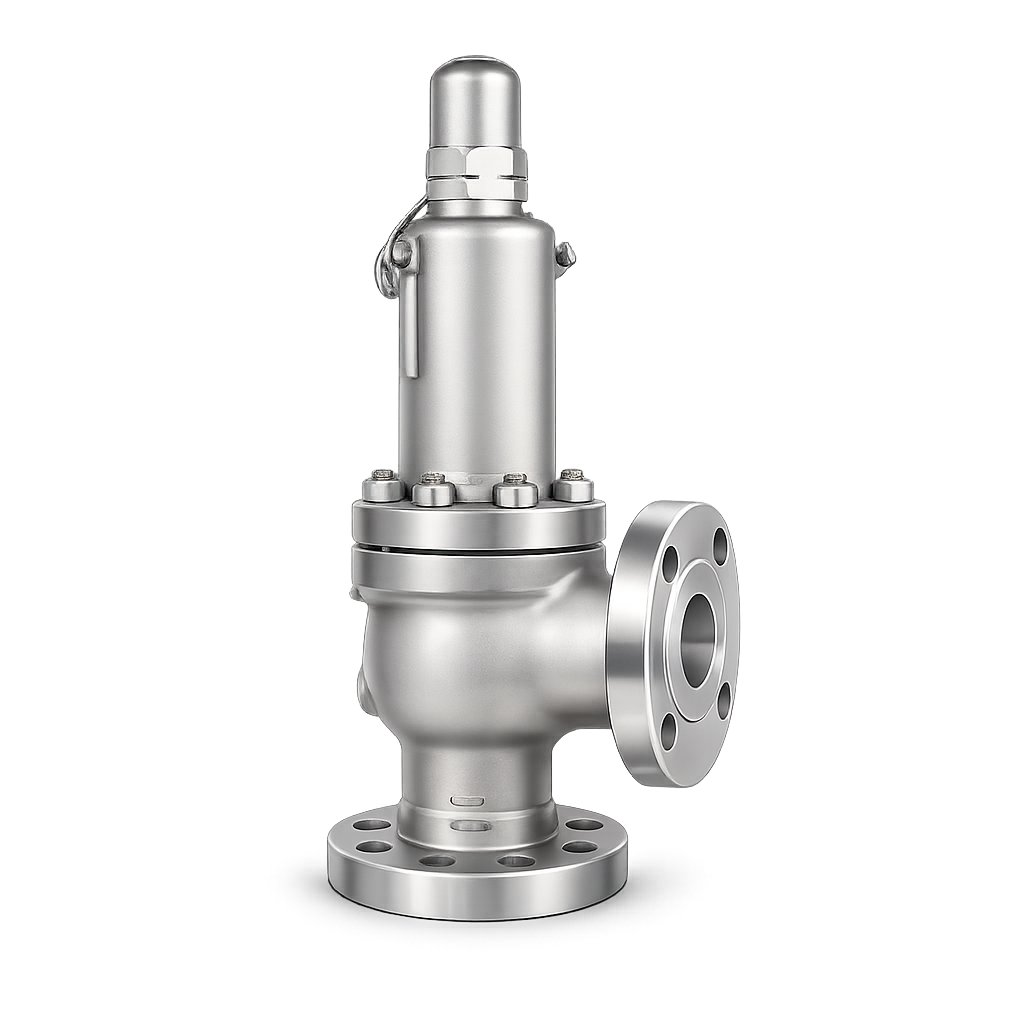
- EF1400, EF1415 and EF1415LP show where flanged or welded connections become more relevant in process and line-integrated PSV duty.
- PSV Changeover System configurations also reinforce why the final connection must fit both operating and maintenance logic, not only nominal size.
If the application sits in the boundary between compact service, process piping and hygienic duty, the connection decision should be reviewed together with the valve family, not afterwards.
Common mistakes when selecting a valve connection
- Choosing only by initial purchase cost and ignoring future maintenance effort
- Assuming a small valve automatically means a threaded connection is best
- Using a welded joint where future removal is likely
- Treating clamp connections as a convenience feature instead of a hygienic design decision
- Reviewing the valve body but not the real piping layout, support and access constraints
Final thought
The best valve connection is the one that fits the real operating conditions, maintenance strategy and process philosophy of the installation. Flanged, threaded, welded and clamp connections all make sense in the right context, but none of them is universally “best”.
Need help defining the right connection for a real valve application? Contact our engineering team and we will help review the most suitable option for your service, line layout and compliance needs.