Steam and gas relief systems can generate very high noise levels when a safety valve opens or when a blowdown event releases flow to atmosphere. In many plants, this is more than a comfort issue. Excessive noise can affect worker safety, complicate compliance with site HSE requirements, and create practical problems around equipment layout and vent discharge design.
A valve silencer is one of the most effective engineering measures for reducing that noise at source.
Need to review a specific discharge case? Our engineering team can help you evaluate operating conditions, acoustic targets and installation constraints before defining the most suitable silencer configuration.
Why relief events are so noisy
When steam or gas is released through a relief valve, the fluid expands rapidly and accelerates to high velocity. That combination of pressure drop, turbulence and discharge energy is what makes these events so loud.
That matters because occupational noise is not just a nuisance. Excessive workplace noise is treated as a real hazard in industrial environments, which is why noise control becomes part of relief system design in refineries, petrochemical plants, utility systems and other process installations.
What a valve silencer does
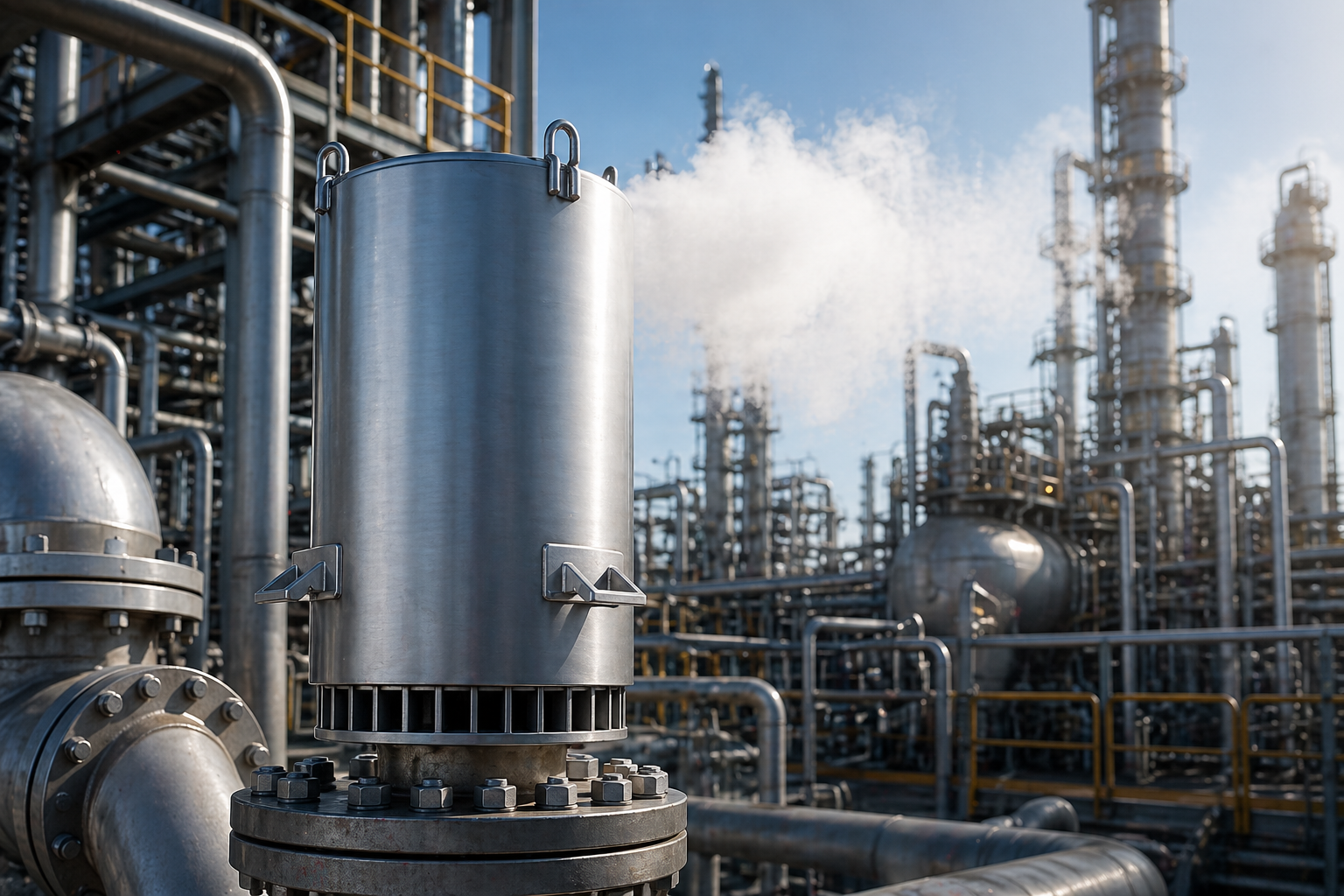
A valve silencer is a mechanical device installed downstream of a relief valve, vent outlet or blowdown line to reduce the sound generated during discharge while still allowing controlled flow to atmosphere.
The goal is not simply to make the system quieter. The silencer must attenuate noise without creating unacceptable operating penalties. That is why silencer selection is always an engineering exercise, not a cosmetic add-on.
In practice, real attenuation depends on the actual service, including flow conditions, piping configuration and frequency content. That is why project-specific design data matters.
Which inputs are needed to size a valve silencer correctly
The most common mistake is selecting a silencer based only on line size or valve connection size. In real projects, the following inputs are typically needed:
- Fluid type
- Relieving or blowdown pressure
- Temperature
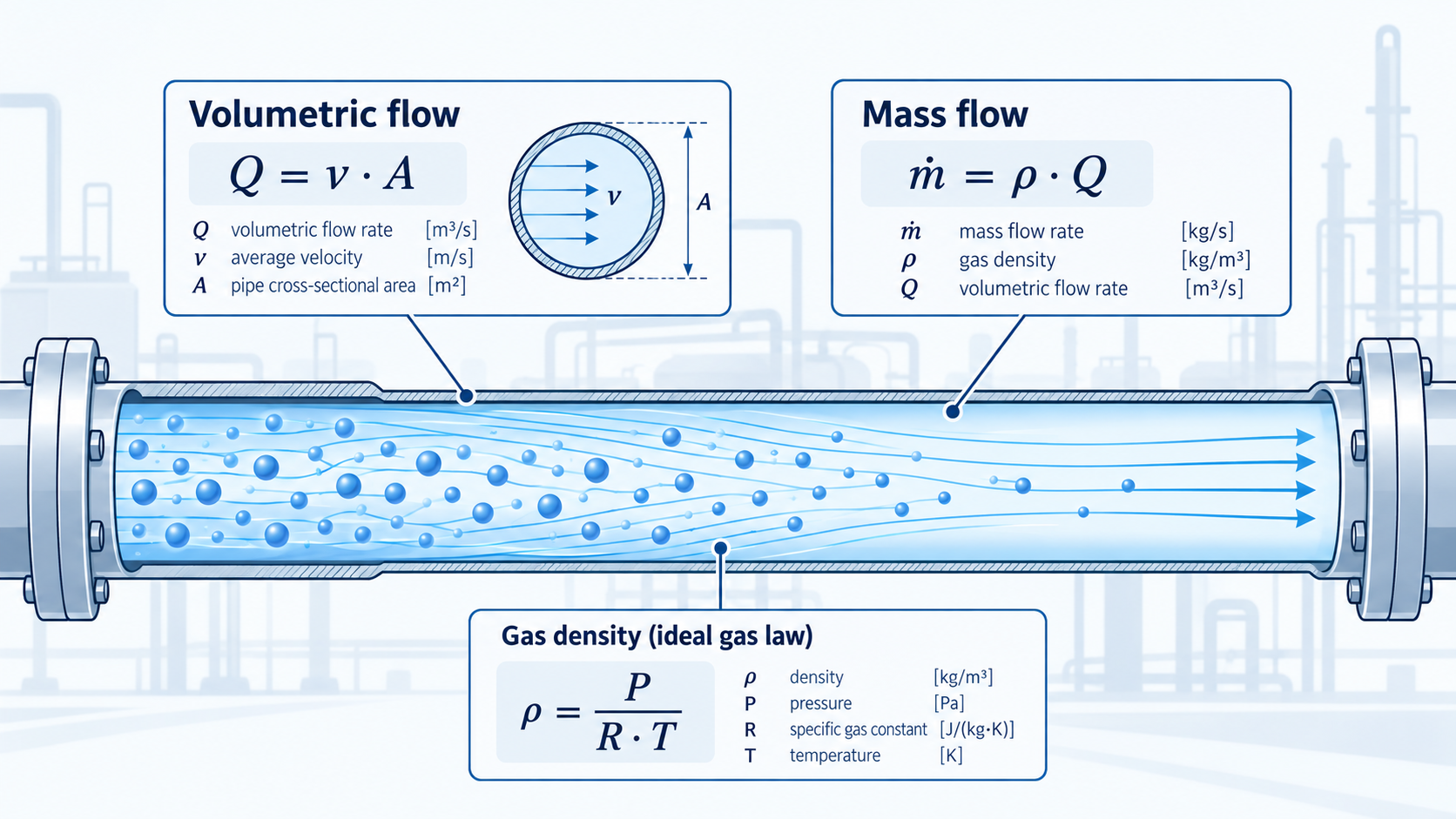
- Mass flow or required discharge capacity
- Allowable backpressure
- Existing noise level and target noise level
- Measurement point or receiver location
- Vent orientation and installation constraints
- Indoor or outdoor service conditions
- Material and corrosion requirements
If you already have part of this data but not the full picture, we can help you complete the engineering inputs needed to assess the correct blowdown silencer solution.
Why backpressure must be checked
Noise reduction cannot come at the expense of relief performance. One of the key design checks is the additional pressure drop introduced by the discharge system, including the silencer. Backpressure must always be reviewed against the valve type, code basis and relief scenario.
Materials and installation details also matter
A well-designed silencer is adapted to the service, not selected blindly. Depending on the application, the final design may require:
- Carbon steel for standard industrial duty
- Stainless steel for corrosive or outdoor environments
- Special alloys for more demanding media and temperatures
- Special coatings or paint systems
- Flanged ends, support legs, brackets or structural reinforcement
When a custom silencer makes sense
Custom silencers are especially relevant when the project involves:
- High relieving mass flow
- Strict site noise limits
- Steam discharge
- Limited allowable backpressure
- Tight space restrictions
- Demanding outlet routing
In those cases, the right question is not whether a silencer is needed, but what geometry and construction will reduce noise without compromising the relief system.
Configured solutions for industrial noise control
For applications in emission control and industrial venting, configured solutions such as the EF700HO, EF700GR and EF700DF can be evaluated according to acoustic performance, flow handling and installation practicality. The final selection depends on the discharge case, noise target, allowable pressure loss and site conditions.
Have questions about materials, layout, connections or expected attenuation? Contact our engineering team for project-specific support.
Final thought
Valve silencers are one of the most effective ways to reduce noise in steam and gas relief systems, but only when they are sized with the full process picture in mind. Flow, pressure, temperature, target attenuation and backpressure all matter. A quieter system is the goal, but a safe and compliant relief system is always the priority.
Need help with a real application? Get in touch with our engineering team and we will help you assess the most suitable silencer solution for your installation.