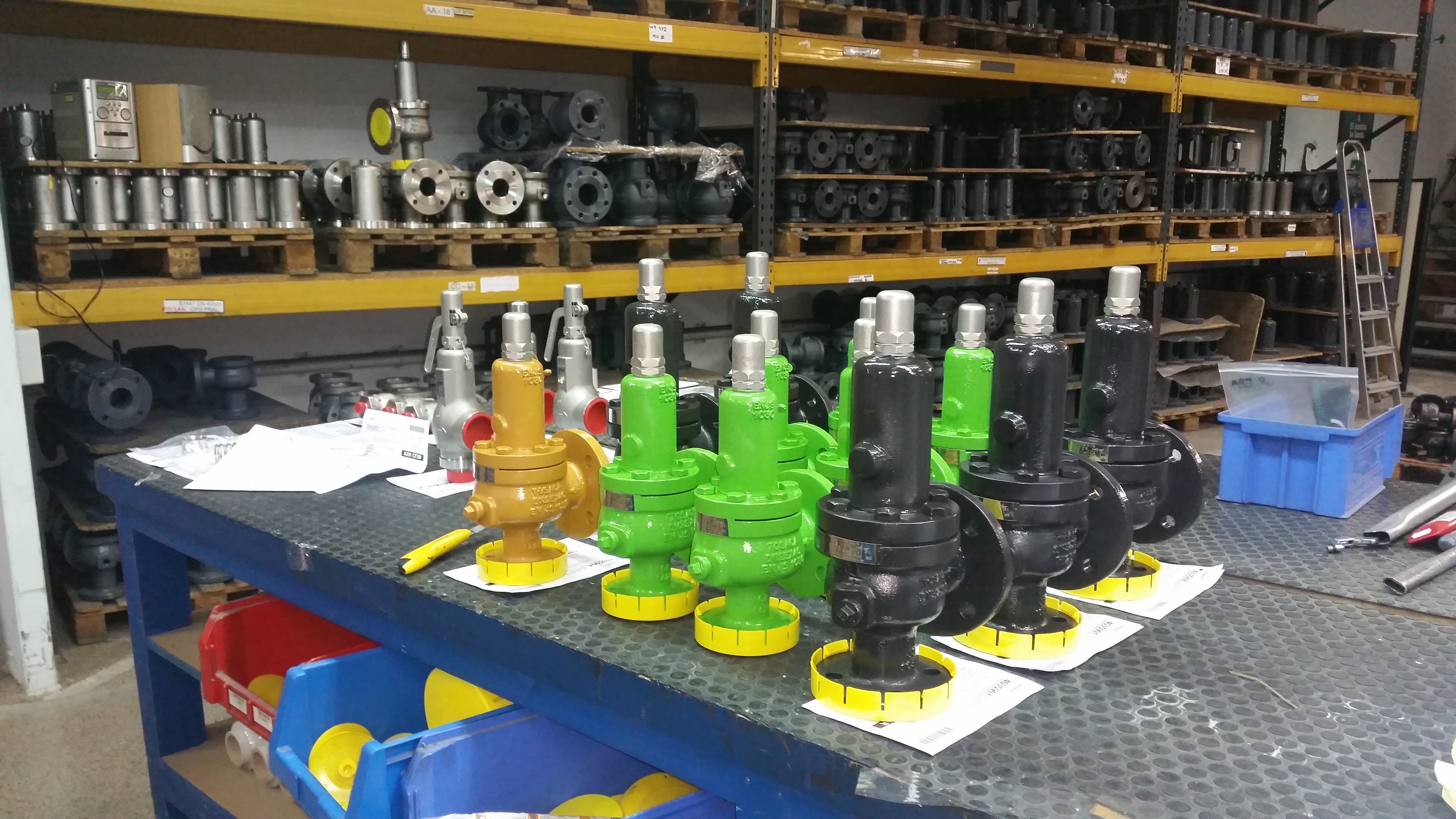
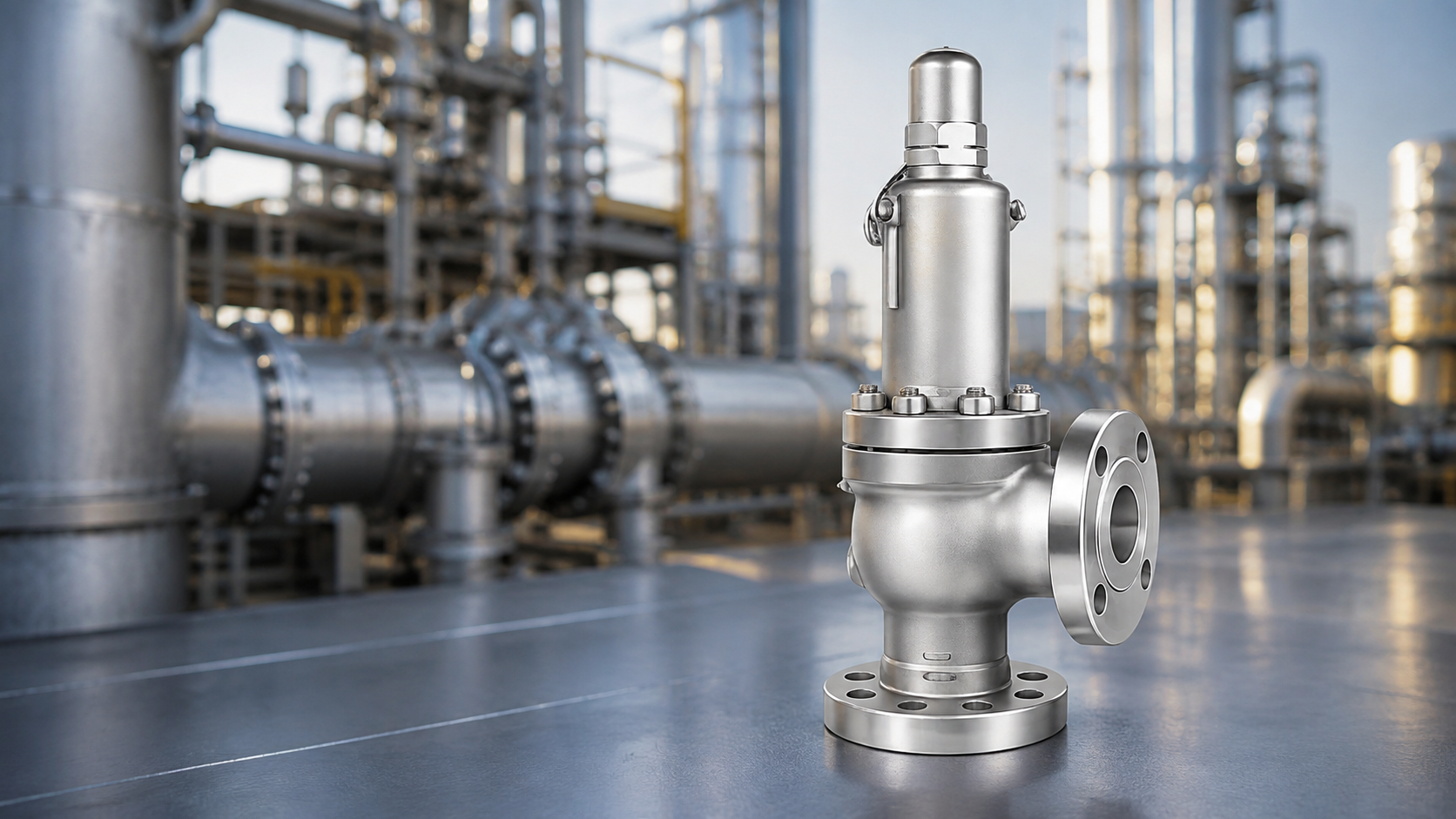
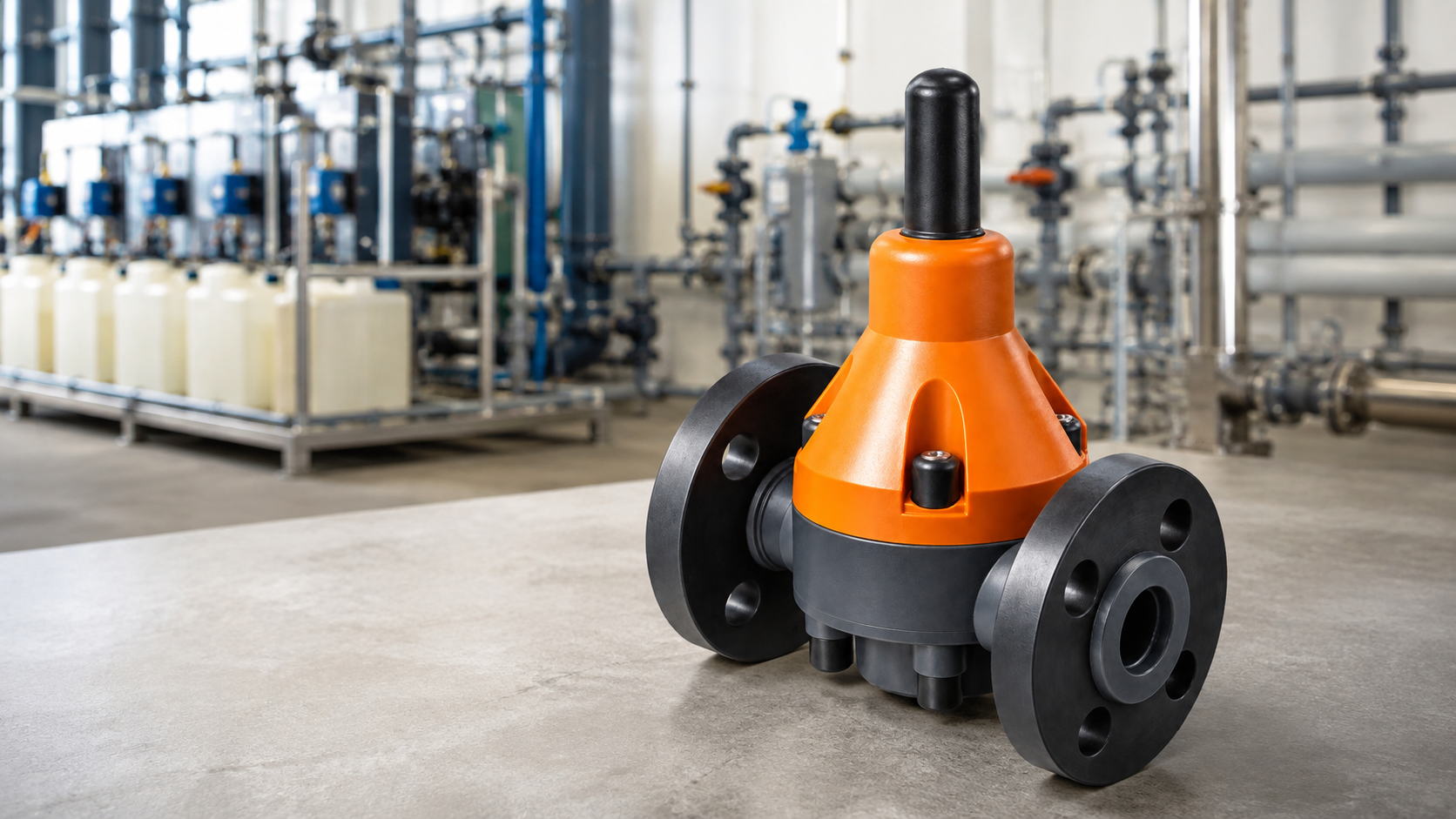
Have you been asked for a valve with C5 coating, 250 microns and Sa 2½?
Many engineers, buyers and project teams receive coating requirements such as “C5 coating, 250 µm DFT, Sa 2½, RAL 5015” without always knowing what is really behind that sentence.
- Is it just paint?
- Is it a corrosion protection system?
- Does it affect price and delivery time?
- Should it be included in the ITP, FAT or final quality dossier?
Industrial coating for valves is not only about colour or appearance. It can affect external corrosion protection, manufacturing sequence, inspection, documentation and compliance with the client’s specification.
At EFSVALVES, we often see that a small note in a valve specification can involve surface preparation, several coating layers, environmental controls, DFT measurements, adhesion testing, coating reports and specific inspection points.
This guide explains what industrial valve coating requirements usually mean and what should be clarified before quotation, manufacturing or inspection.
Quick Reference: ISO 12944 C1 to C5 Corrosion Categories
| Category | Typical environment | Practical example | Typical protection level |
|---|---|---|---|
| C1 | Dry indoor atmosphere, very low humidity | Offices, protected indoor rooms, clean technical areas | Basic paint or minimal protection |
| C2 | Low corrosivity, ventilated indoor or rural outdoor areas | Warehouses, dry workshops, non-aggressive areas | Simple primer or light coating system |
| C3 | Medium corrosivity, urban or light industrial atmosphere | Water plants, factories, technical rooms with moderate humidity | Standard anticorrosive coating system |
| C4 | High humidity, industrial or moderate coastal atmosphere | Chemical plants, ports, coastal installations | More robust epoxy/polyurethane system |
| C5 | Severe industrial or marine atmosphere | Desalination plants, offshore, ports, refineries, salt-laden environments | High-durability multilayer coating system |
Practical note: when a specification says “C5, 250 µm, Sa 2½”, it is usually not asking for “more paint”. It is asking for a complete corrosion protection system, including surface preparation, number of layers, coating type, dry film thickness, application conditions, inspection and documentation.
C5 Is Not a Paint
One of the most common misunderstandings is to speak about “C5 paint” as if it were a specific product.
In reality, C5 is not a paint. It is a corrosion environment category. What must be defined is the complete coating system.
A coating system may include:
- surface preparation,
- required surface profile,
- primer,
- intermediate coat,
- topcoat,
- total dry film thickness, DFT,
- RAL colour,
- application conditions,
- overcoating intervals,
- inspection tests,
- final coating report.
This is why two specifications that both say “C5” may have very different costs, lead times and inspection requirements.
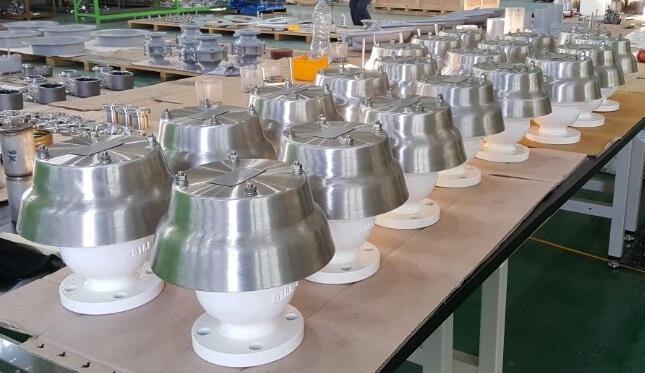
DFT: Why 250 Microns Are Not Just “More Paint”
DFT means Dry Film Thickness. When a client specifies 250 µm, this usually refers to the total dry film thickness after curing, not simply to a random wet layer of paint.
The required DFT can affect:
- paint consumption,
- number of layers,
- drying and curing time,
- inspection requirements,
- repair work,
- delivery time,
- final cost.
It is also important to avoid excessive thickness. More paint does not always mean better protection if the system has not been designed for it.
A well-defined coating requirement should clarify whether the DFT applies to each coat, to the complete system, or to minimum, nominal or maximum values according to the applicable specification.
Surface Preparation: Sa 2½, Roughness and Dew Point
Surface preparation is as important as the paint itself.
A high-quality coating system can fail if the surface has not been properly prepared. This is why many project specifications require abrasive blasting to Sa 2½, commonly understood as a very thorough blast cleaning close to white metal.
Before painting, the following points should normally be controlled:
- initial cleaning,
- removal of grease, dust and residues,
- surface preparation grade,
- surface roughness or anchor profile,
- ambient temperature,
- valve surface temperature,
- relative humidity,
- dew point,
- absence of condensation.
A valve may have the right coating system on paper, but if it is applied under poor environmental conditions, the real protection may be compromised.
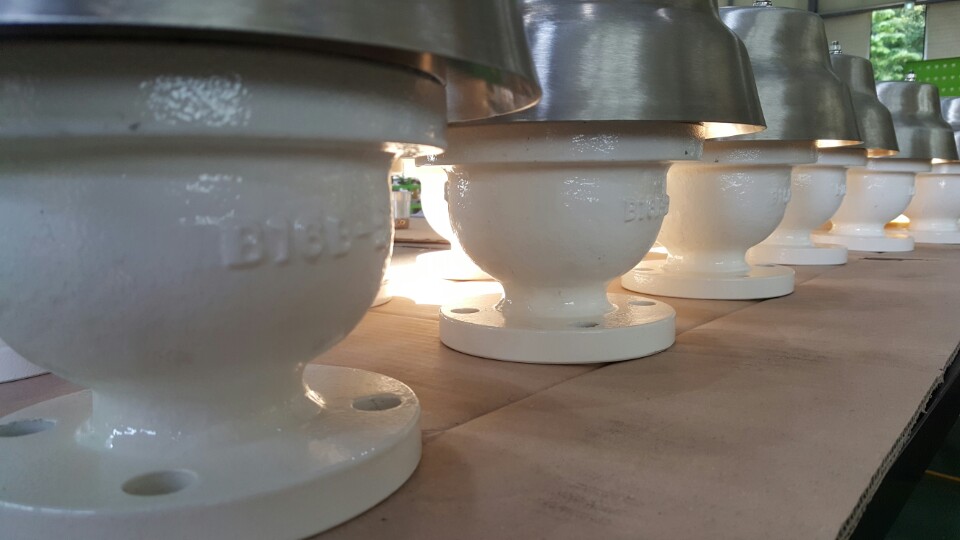
Paint, Coating, Lining and Enamel: Not Always the Same Thing
International specifications may use different terms. They should not be mixed without checking the real requirement.
| Term | Typical meaning |
|---|---|
| Paint | General protective or aesthetic finish |
| Coating | Technical protective system, often anticorrosive and multilayer |
| Lining | Internal protection against fluid, abrasion or chemical attack |
| Enamel | Industrial finish, often used for maintenance, less severe environments or specific topcoat systems |
An industrial enamel may be suitable for certain applications, but it should not automatically be considered equivalent to a high-durability C5 epoxy/polyurethane system.
Likewise, an external coating can protect the valve from atmospheric corrosion, but it does not solve internal corrosion caused by the process fluid. For internal corrosion, the valve material, lining or internal protection must be reviewed separately.
Temperature, Corrosion and Real Service Conditions
The coating system must be selected according to the external environment, but also considering service temperature and operating conditions.
A valve installed in a dry technical room is not the same as a valve exposed to marine atmosphere, UV radiation, thermal cycles, steam, high temperature or chemical fumes.
Before confirming a coating system, it is useful to check:
- external environment,
- humidity or salt exposure,
- possible chemical atmosphere,
- operating temperature,
- UV exposure,
- thermal cycles,
- maintenance or cleaning conditions,
- expected durability,
- compatibility with the base material.
A coating system suitable for marine atmosphere is not automatically suitable for high-temperature service. Each case should be checked before confirmation.
Quality Controls: What Can Be Requested?
An industrial valve coating specification may include several controls depending on the project and criticality level.
Common controls include:
- visual inspection,
- DFT measurement,
- surface roughness check,
- environmental control before painting,
- RAL colour verification,
- adhesion test,
- holiday test, if applicable,
- salt spray test, if specified,
- coating report,
- traceability of paint products used,
- repair or touch-up records.
Not every project requires every test. The important point is to define the applicable controls before manufacturing, not at the end when the valve is already painted and packed.
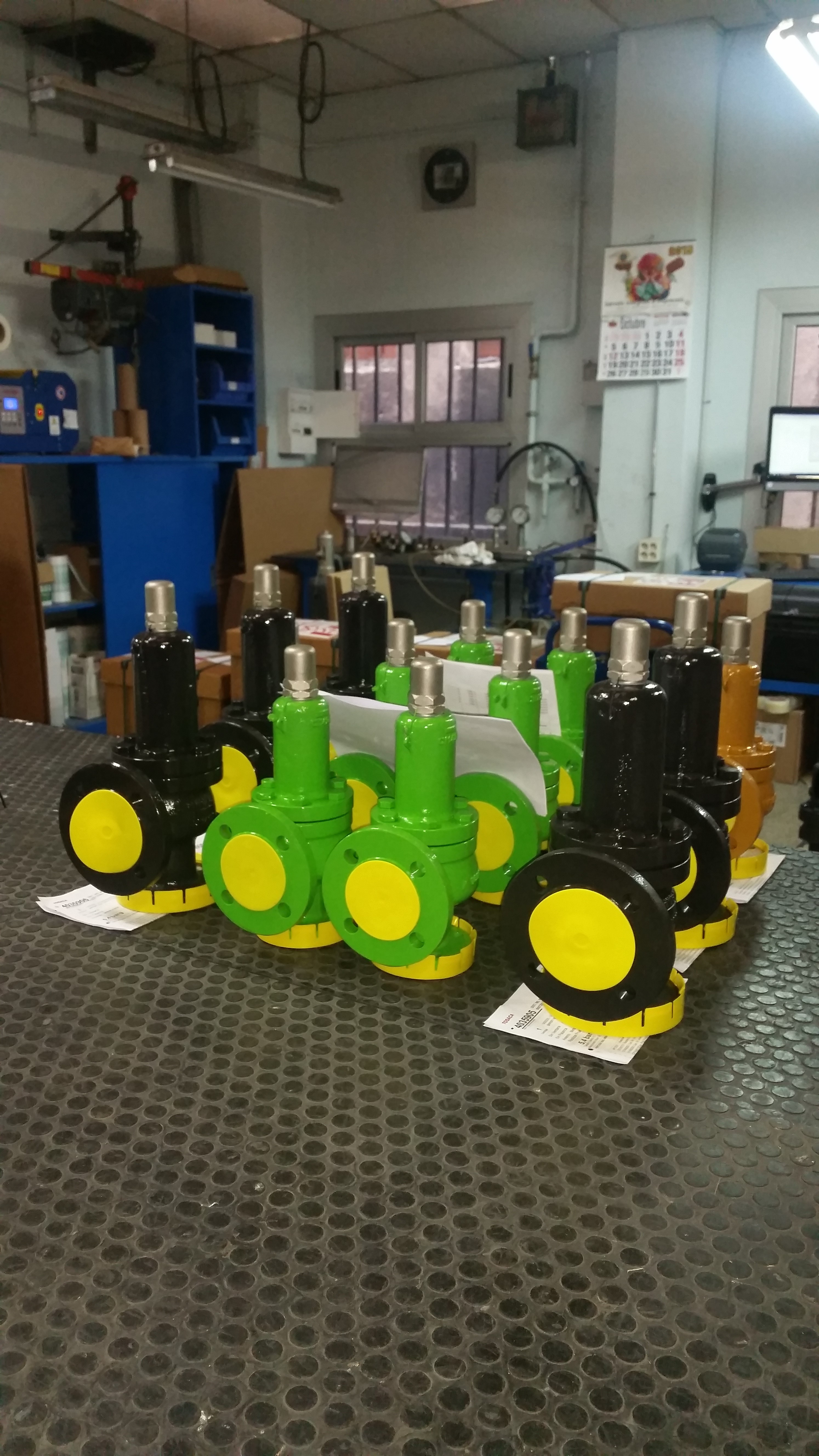
Coating in the Quality Plan, FAT and ITP
In industrial projects, coating should not always be treated as a simple final finish. It may need to be included in the Quality Plan, ITP, FAT or final project dossier.
Examples of Coating Points in an ITP
| Stage | Control | Possible inspection type |
|---|---|---|
| Before painting | Review of coating specification | Review |
| Before painting | Confirmation of coating system and datasheets | Review |
| Preparation | Cleaning and degreasing | Witness / Record |
| Preparation | Abrasive blasting Sa 2½ | Witness / Hold if required |
| Preparation | Surface roughness | Witness / Record |
| Application | Temperature, humidity and dew point | Record |
| Application | Layer control and overcoating intervals | Record |
| Final | DFT measurement | Witness / Review |
| Final | Visual inspection | Witness / Review |
| Final | Adhesion test, if applicable | Witness / Review |
| Final | Coating report | Review |
| Dossier | Documentation traceability | Review |
What Can Be Checked During FAT?
During FAT, coating-related checks may include:
- final visual condition,
- RAL colour,
- final DFT,
- condition of flanges, threads and machined areas,
- protection of nameplates, shafts, connections and internal areas,
- coating report,
- touch-ups after testing or handling.
This helps prevent coating issues from becoming last-minute project problems.
What Information Should Be Sent for a Painted Valve Enquiry?
To quote a valve with an industrial coating system correctly, the following information is useful:
- corrosion category, C3, C4, C5 or equivalent,
- coating standard or project specification,
- valve body material,
- internal fluid,
- service temperature,
- external environment,
- required surface preparation,
- defined coating system, if available,
- total and per-coat DFT, if applicable,
- RAL colour,
- required tests,
- required documentation,
- whether coating must be included in ITP, FAT or final dossier,
- packing or transport protection requirements.
If the coating specification is not complete, it is better to identify the missing points at the beginning. A poorly defined coating requirement may generate cost changes, delivery delays or inspection discussions later in the project.
Need Help with a Coating Specification?
In industrial projects, a short note such as “C5, 250 µm, Sa 2½, RAL 5015” may involve much more than applying a coat of paint.
It may affect cost, lead time, quality planning, inspection points, FAT, ITP and final documentation.
The EFSVALVES Project Department can help review the coating specification and translate it correctly into the quotation, manufacturing, inspection and documentation process.
We can help define or review:
- corrosion category,
- surface preparation,
- coating system,
- DFT,
- RAL colour,
- application controls,
- thickness measurements,
- adhesion testing,
- visual inspection,
- salt spray requirements, if applicable,
- coating reports,
- integration into FAT, ITP or final dossier.
Send us your coating specification, even if it is not fully clear. We will help you identify what is already defined, what should be clarified and how it can be managed within the valve supply.
EFSVALVES Project Department, coating requirements translated into controlled valve supply.