In pressurized systems, choosing between a safety valve and a relief valve is more than a technical detail. It can directly affect system reliability, equipment protection and regulatory compliance.
Although both devices are designed to protect against overpressure, their operating principle, design response and typical applications are significantly different. Understanding that distinction is essential when selecting the right pressure protection device.
Need support with a real application? Our engineering team can help evaluate media, set pressure, flow capacity, materials and applicable codes before defining the most suitable protection solution.
What is the difference between a safety valve and a relief valve?
The most important difference lies in how the valve opens once the set pressure is reached.
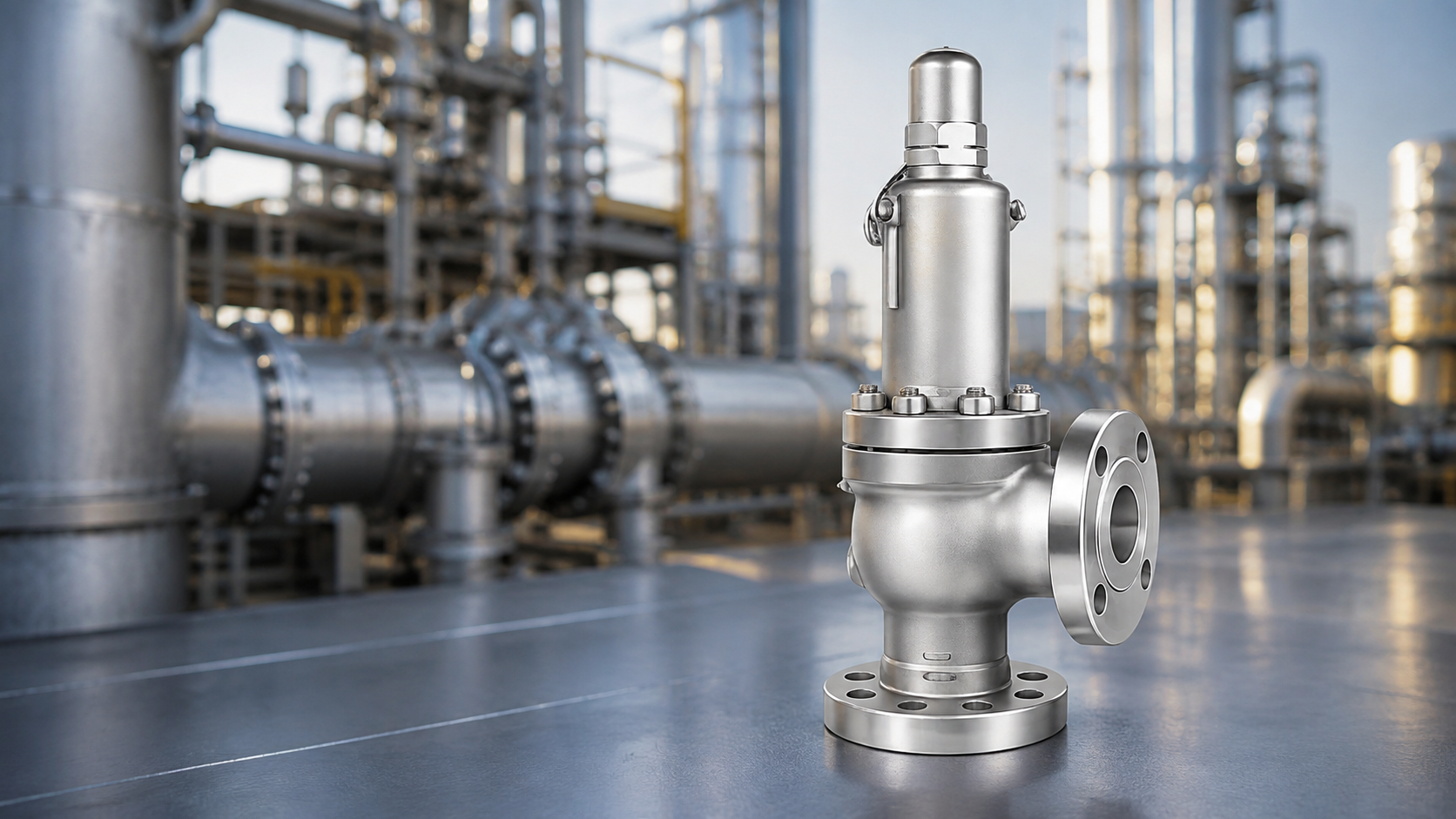
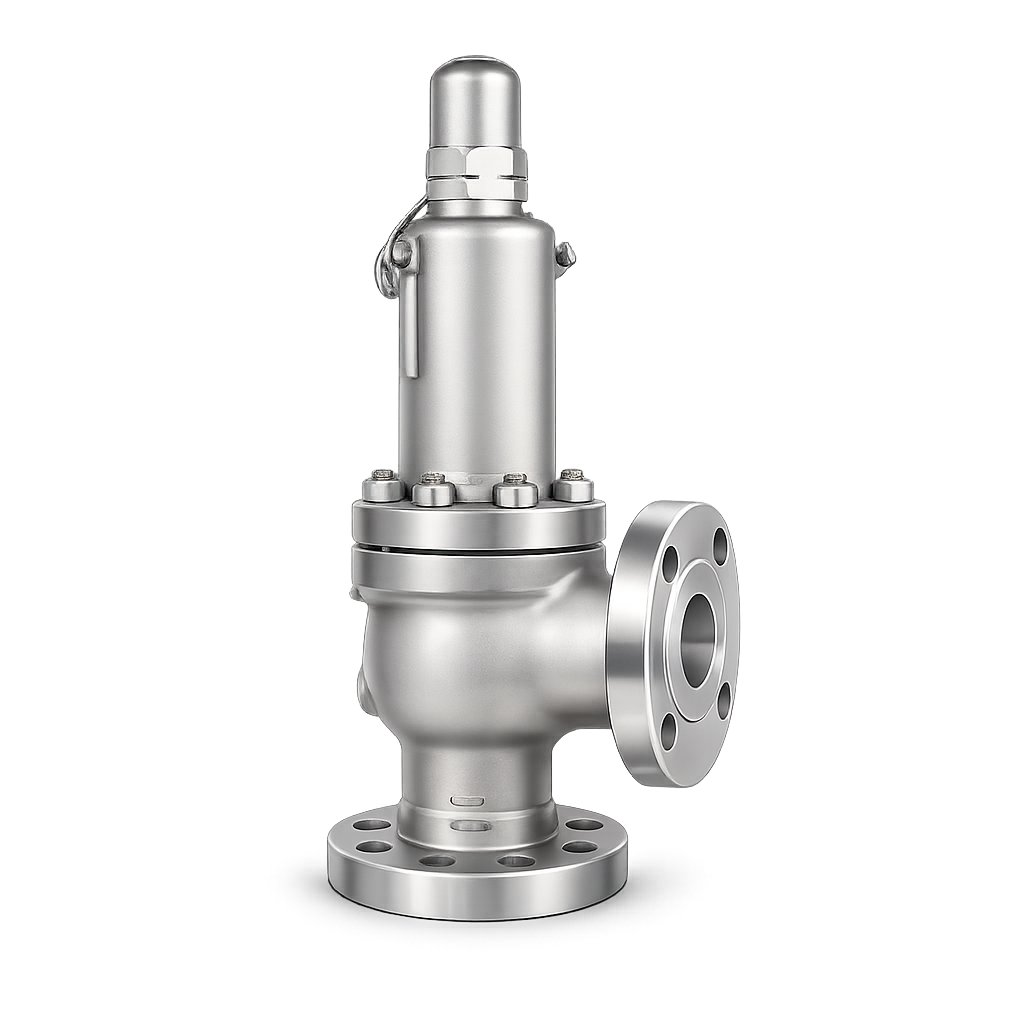
A safety valve is designed for rapid full opening. Once the pressure reaches the set point, the valve “pops” open and quickly discharges enough fluid to reduce pressure. This makes it especially suitable for compressible fluids such as steam, gas and compressed air, where pressure can rise suddenly and hazardous energy must be released without delay.
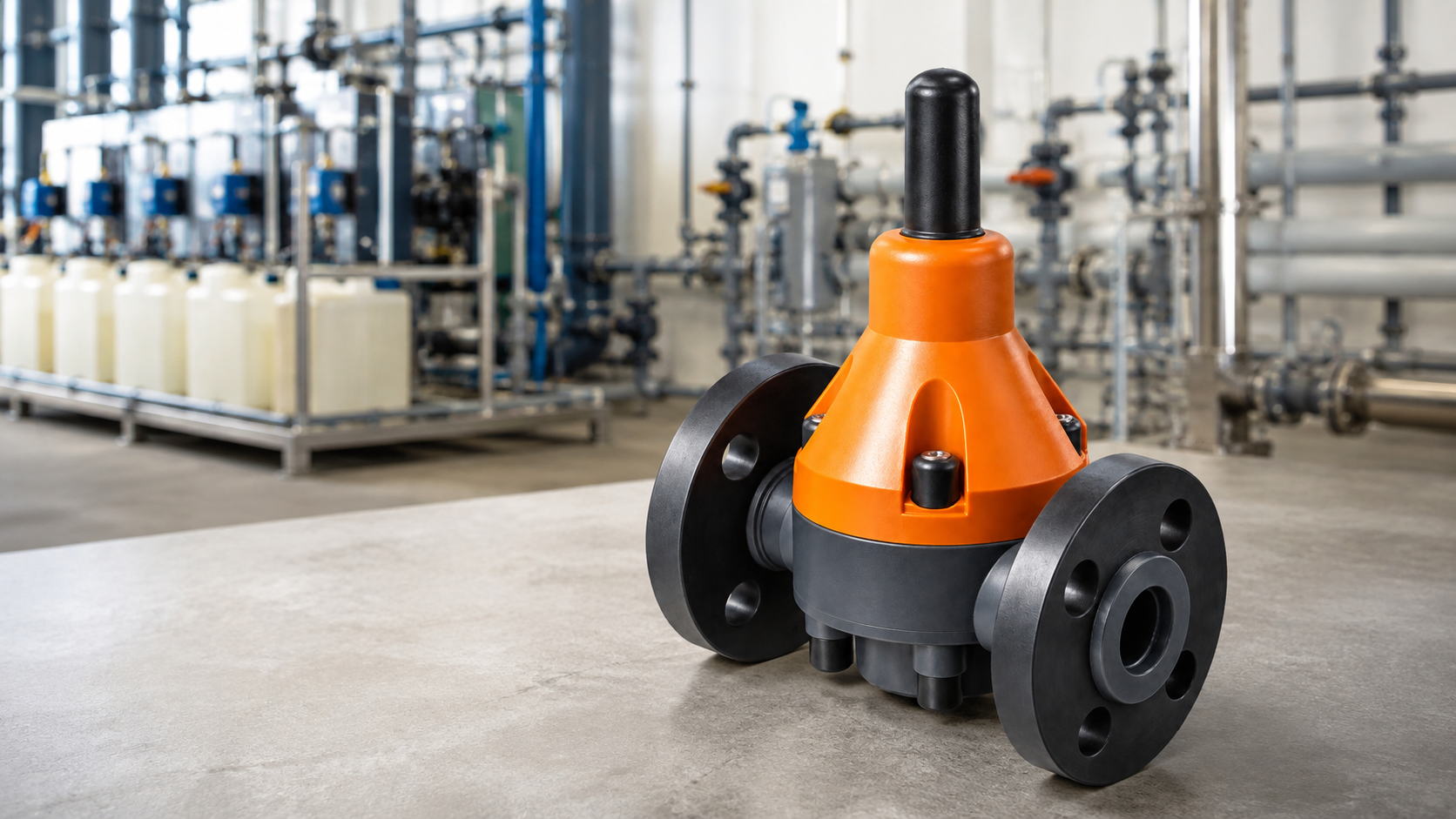
A relief valve, by contrast, opens gradually and proportionally as pressure increases above set pressure. Instead of a snap action, it modulates its opening to provide controlled discharge. This behavior is generally preferred in liquid systems, where smooth pressure control helps avoid unnecessary shocks or unstable operation.
How does each valve work?
Safety valve operation
A safety valve uses a pop-action mechanism. Once the valve reaches its set pressure, it opens rapidly to a high lift position and discharges flow at full relieving capacity. Once the system pressure drops to the reseating level, it closes again quickly.
This makes safety valves critical in services where the overpressure event can escalate rapidly, such as:
- Steam boilers
- Compressed air receivers
- Gas storage vessels
- High-pressure process gas systems
Relief valve operation
A relief valve uses a modulating action. It begins to open as pressure rises above the set point and increases discharge progressively in proportion to pressure. This allows more stable pressure control in systems where overpressure builds more gradually.
Typical examples include:
- Hydraulic systems
- Water lines exposed to thermal expansion
- Closed-loop cooling circuits
- Liquid process systems requiring smooth pressure regulation
Key design differences
| Feature | Safety Valve | Relief Valve |
|---|---|---|
| Typical medium | Steam, gas, compressed air | Liquids, thermal expansion service |
| Opening mechanism | Instantaneous pop action | Gradual, proportional opening |
| Pressure response | Fast full discharge | Controlled pressure relief |
| Typical overpressure allowance | Commonly 10%, with code-specific exceptions | Typically lower and more controlled |
| Typical blowdown | More defined pop-and-reseat behavior | Softer and system-dependent |
| Main standards | ASME Section I / VIII, API 520, API 526, EN 4126 | API 520, EN 4126 and application-specific requirements |
When should you use a safety valve?
A safety valve is generally the correct choice when the system handles compressible fluids and the pressure rise can be sudden or severe.
Choose a safety valve when:
- The service involves steam, gas or compressed air
- A rapid pressure rise could lead to explosion risk or major equipment damage
- The project requires compliance with ASME Section I, ASME Section VIII or API 526
- The application requires rapid full opening for overpressure protection
Typical services include boiler steam discharge, gas pressure vessels, compressor receivers and other systems where stored energy must be relieved immediately.
When should you use a relief valve?
A relief valve is usually preferred in liquid service, especially where pressure increase is more predictable and the system benefits from smooth discharge behavior.
Choose a relief valve when:
- The medium is a liquid such as water, oil, glycol or another incompressible fluid
- The pressure increase is linked to thermal expansion or other gradual causes
- The system needs modulating control instead of abrupt blowdown
- You want to reduce the risk of hydraulic shock or unstable discharge conditions
This is common in hydraulic loops, hot water circuits, thermal expansion protection and closed process liquid systems.
What about mixed-phase or flashing service?
Some systems are not purely liquid or gas. In applications where the fluid can vaporize during relief, selection becomes more complex. A simple liquid-service assumption may not be enough.
In these cases, the correct solution may involve:
- A safety valve sized for the actual relieving scenario
- A relief valve with application-specific evaluation
- A combined protection concept, such as a rupture disc with a downstream relief device
If the relieving phase can change during the event, it is important to review the case with full process data rather than selecting only by nominal fluid description.
Why standards and code basis matter
Pressure protection devices are not selected by preference alone. The final decision must also consider the code basis of the equipment and the applicable design standard.
For industrial pressure protection, typical references include ASME Section VIII, API 520, API 526 and EN 4126. These standards influence required terminology, allowable overpressure, sizing approach and acceptable device type depending on the service.
That is why the right question is not only “which valve opens faster?” but also “which valve is appropriate for this service, this code basis and this operating scenario?”
Practical selection tip
If your application is clearly based on steam or gas, a safety valve is usually the starting point. If it is clearly based on liquid expansion or controlled liquid overpressure, a relief valve is often more appropriate.
When the service is less straightforward, especially in mixed-phase, flashing or code-sensitive systems, selection should be reviewed against:
- Relieving medium
- Set pressure
- Required capacity
- Backpressure conditions
- Temperature
- Applicable standards
- Material and corrosion requirements
Need help selecting the right pressure valve?
At EFSVALVES, we support customers in selecting and sizing the right protection solution based on media, set pressure, capacity, materials and regulatory requirements.
If you are reviewing a boiler application, a gas vessel, a thermal expansion case or a liquid pressure protection scenario, our technical team can help define the most suitable valve for the job.
Need tailored support? Contact our engineering team and we will help evaluate the best pressure protection approach for your system.