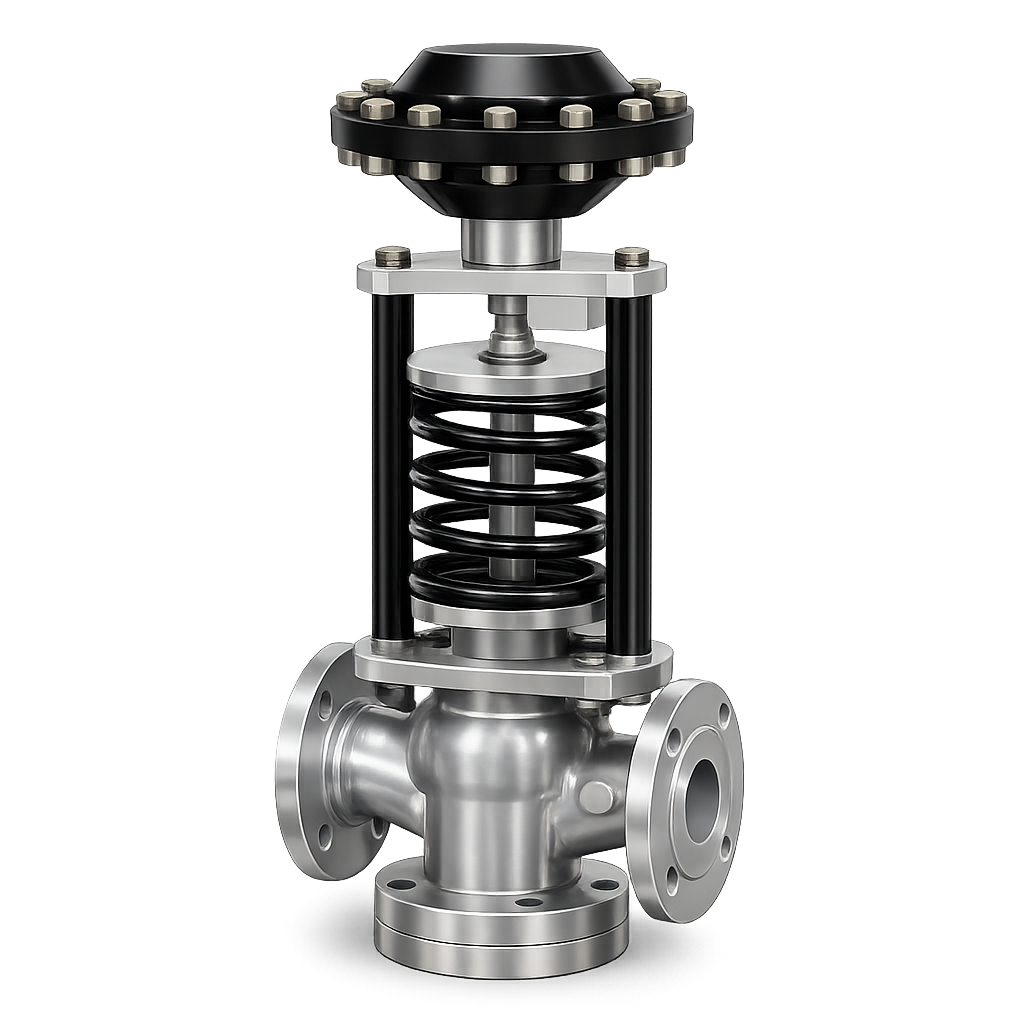
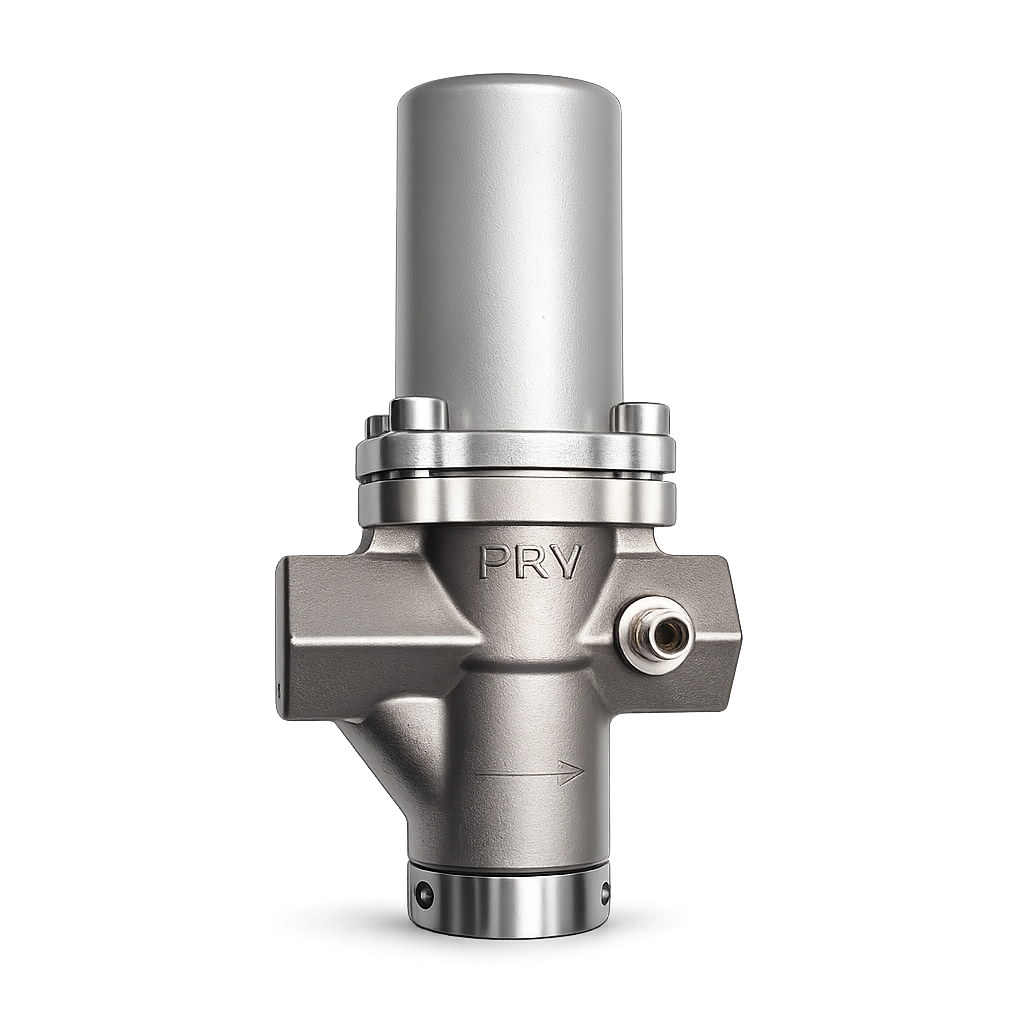
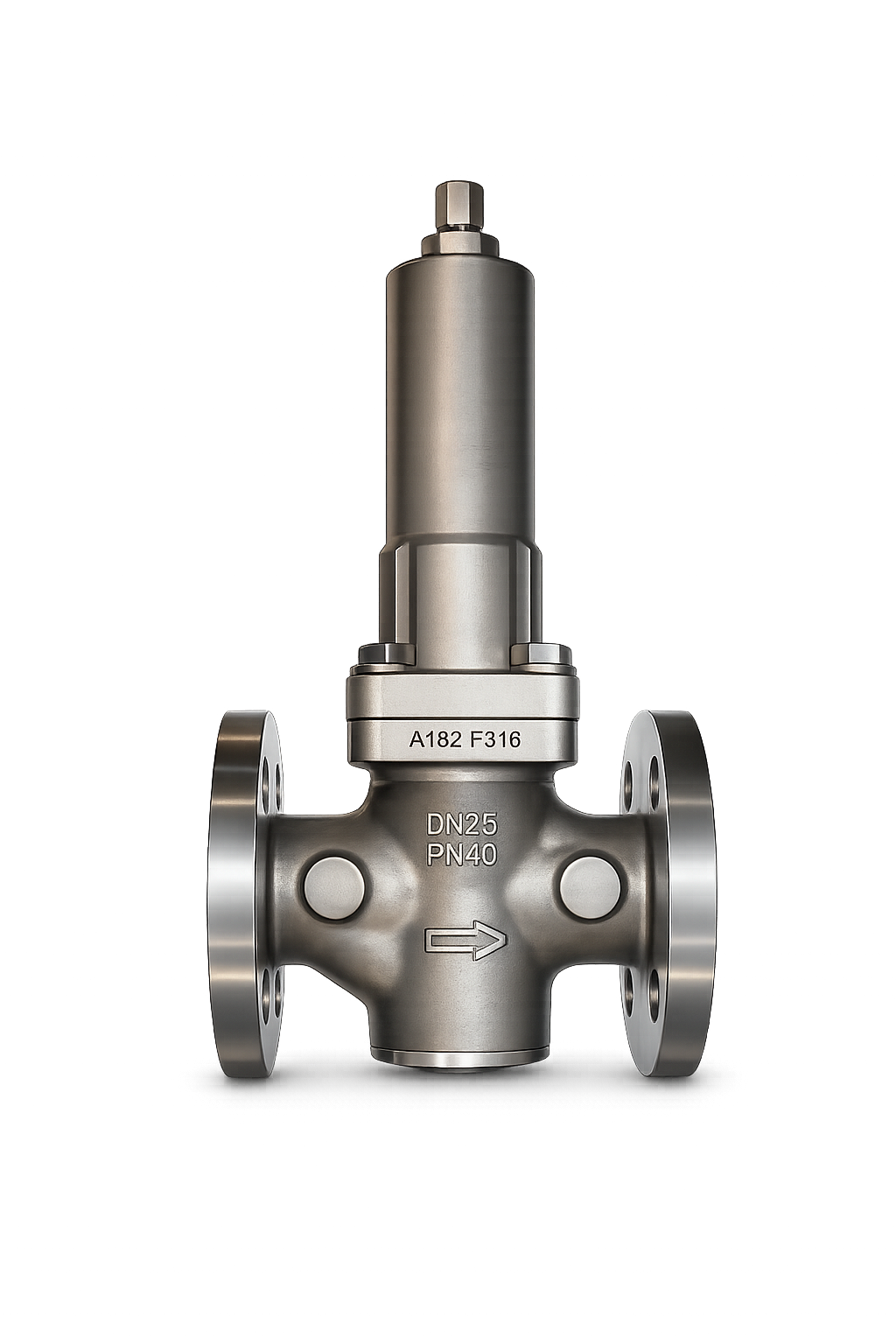
DIAPHRAGM-BALANCED PRESSURE REDUCING VALVE

EFM2
  • Self-actuating diaphragm-balanced pressure control
  • DN15 to DN100; maximum temperature 180°C
  • External sensing arrangement available
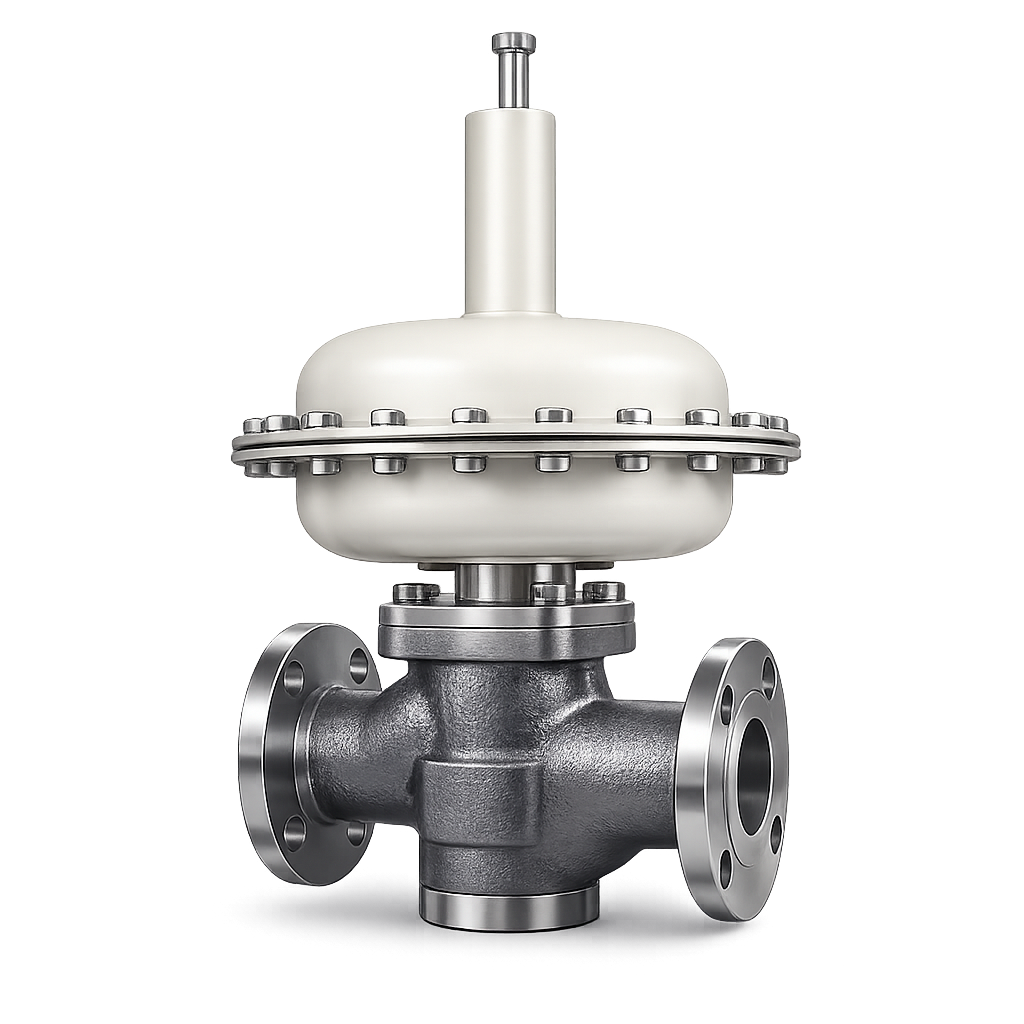
EFM2 M2 pressure reducing valve product image

Applications

Configured Service Scope
Compressed Air
Gas
Steam
Water

Key Specifications

NOMINAL SIZESDN15 to DN100
PRESSURE RATINGSPN16 / PN25 / PN40, ANSI Class 150 / 300
TEMPERATURE RANGEUp to +180°C
CONNECTIONSDIN / ANSI flanged, BSP / NPT threaded
BODY MATERIALSWCB Carbon Steel / CF3M Stainless Steel

Selection & RFQ Assistant

Help us identify the right solution
Guided request

Build a technical RFQ line with service data, sizing conditions, accessories and documents.

01
Service
02
Process
03
Options

FAQs

The EFM2 automatically reduces and stabilizes downstream pressure in steam, compressed air, neutral gas and liquid systems.
A self-operated valve uses process pressure and needs no external actuator or control system. A pilot-operated regulator uses a separate pilot stage and may suit different control or capacity requirements. The EFM2 is a self-actuating, diaphragm-balanced pressure reducing valve.
Both models are self-operated, but the EFM2 is diaphragm-balanced, available from DN15 to DN100 and up to 180°C. The EFM1 is bellows-sealed, available from DN15 to DN150 and up to 250°C depending on configuration. Select from fluid, pressure reduction, flow, temperature and installation conditions.
The published scope includes steam, compressed air, neutral gases and liquids. Final compatibility depends on materials, seals, temperature and process conditions.

ABOUT EFM2

The EFM2 is a self-actuating, diaphragm-balanced pressure reducing valve for stable downstream control in steam, compressed air, neutral gas and liquid systems, without external power or actuation.

Available from DN15 to DN100 and up to 180°C, it is offered with DIN/ANSI flanges or BSP/NPT threads, in WCB carbon steel or CF3M stainless steel.

An external sensing arrangement is available, and the datasheet specifies an external impulse line for steam installations. An upstream strainer is also specified to protect the regulating elements. Reduced Kv versions, special seals, condensation tank and stainless steel casing can be evaluated according to service.

Final sizing requires fluid, inlet and downstream pressures, minimum and maximum flow, temperature, piping size, connection standard and material.

Frequently Asked Questions

The EFM2 automatically reduces and stabilizes downstream pressure in steam, compressed air, neutral gas and liquid systems.
A self-operated valve uses process pressure and needs no external actuator or control system. A pilot-operated regulator uses a separate pilot stage and may suit different control or capacity requirements. The EFM2 is a self-actuating, diaphragm-balanced pressure reducing valve.
Both models are self-operated, but the EFM2 is diaphragm-balanced, available from DN15 to DN100 and up to 180°C. The EFM1 is bellows-sealed, available from DN15 to DN150 and up to 250°C depending on configuration. Select from fluid, pressure reduction, flow, temperature and installation conditions.
The published scope includes steam, compressed air, neutral gases and liquids. Final compatibility depends on materials, seals, temperature and process conditions.
The EFM2 is available from DN15 to DN100.
Published ratings are PN16, PN25, PN40 and ANSI Class 150/300.
Depending on actuator selection, the EFM2 regulates downstream pressure from approximately 0.02 to 10 bar(g).
DIN or ANSI flanged connections and BSP or NPT threaded ends are available according to configuration.
Published body materials are WCB carbon steel and CF3M stainless steel, with AISI 316L stainless steel trim.
A steam pressure reducing station lowers the steam supply pressure to the value required downstream. Depending on the application, it may include isolation, filtration, pressure indication, condensate management and downstream overpressure protection. The EFM2 datasheet shows this type of arrangement.
The EFM2 is suitable for the published steam conditions. For temperatures above 125°C, a condensation tank is recommended to protect the diaphragm.
No. The EFM2 is a pressure reducing regulator, not a safety valve. Independent downstream overpressure protection must be installed where required.
An external sensing line measures downstream pressure at a selected point in the piping. The EFM2 is available with this arrangement, and its datasheet specifies an external impulse line for steam installations.
Yes. The EFM2 datasheet specifies an upstream strainer to protect regulating and sealing elements from debris and reduce unnecessary maintenance.
NBR, EPDM, FKM and PTFE sealing or diaphragm materials can be selected according to temperature and fluid compatibility.
Yes. Reduced Kv configurations are available according to the required regulation capacity.
Typical applications include water distribution, compressed air, fire protection, industrial process lines and utility services.
Typical sizing data include process fluid, inlet pressure, required downstream pressure, maximum and minimum flow, temperature, piping size, connection standard, body material and steam conditions where applicable. These data allow valve size, Kv and control range to be reviewed.
Yes. The EFM2 can be supplied for EPC and project-managed applications when pressures, flows, materials, connections, steam accessories, inspection and documentation are defined during the RFQ stage. EN 10204 3.1 and project documentation are available.
Yes. Inspection, project documentation and international logistics can be coordinated within the agreed supply scope. Define specific requirements during the RFQ stage.