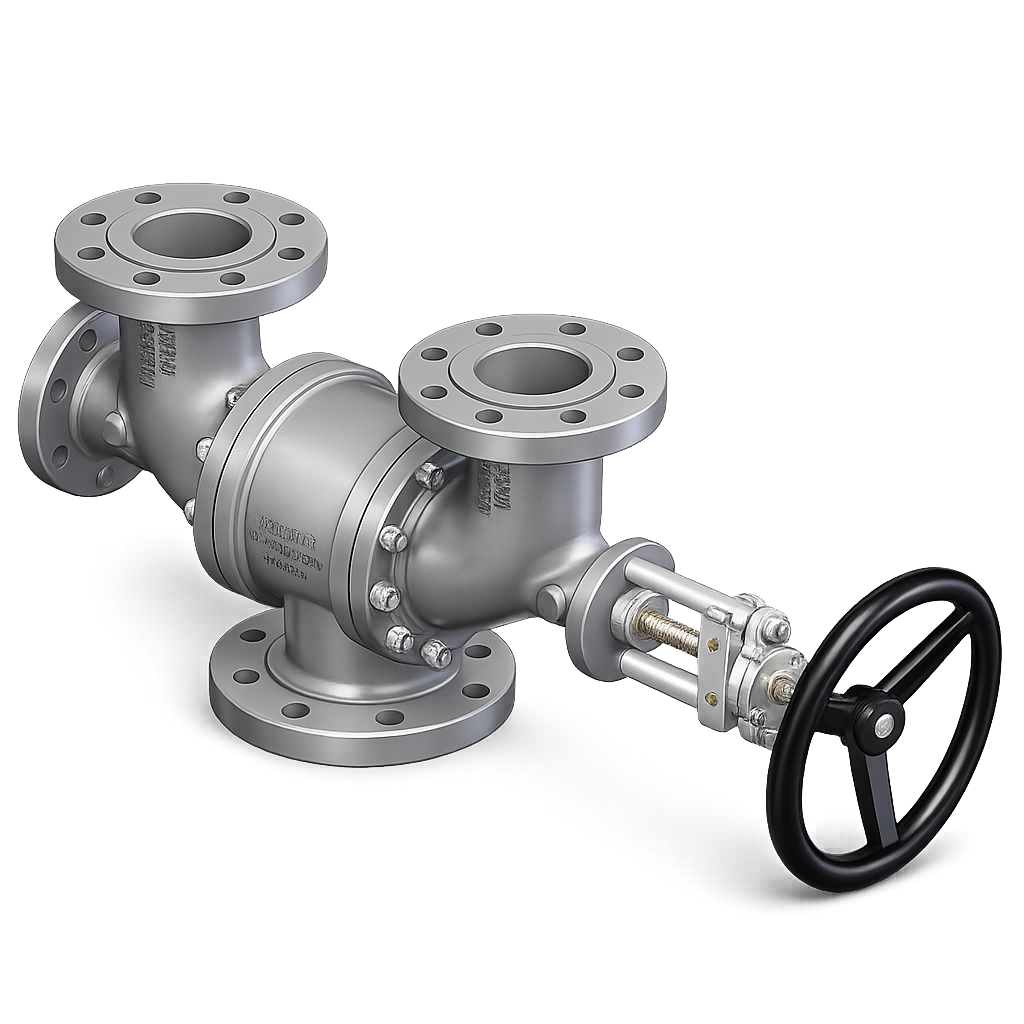
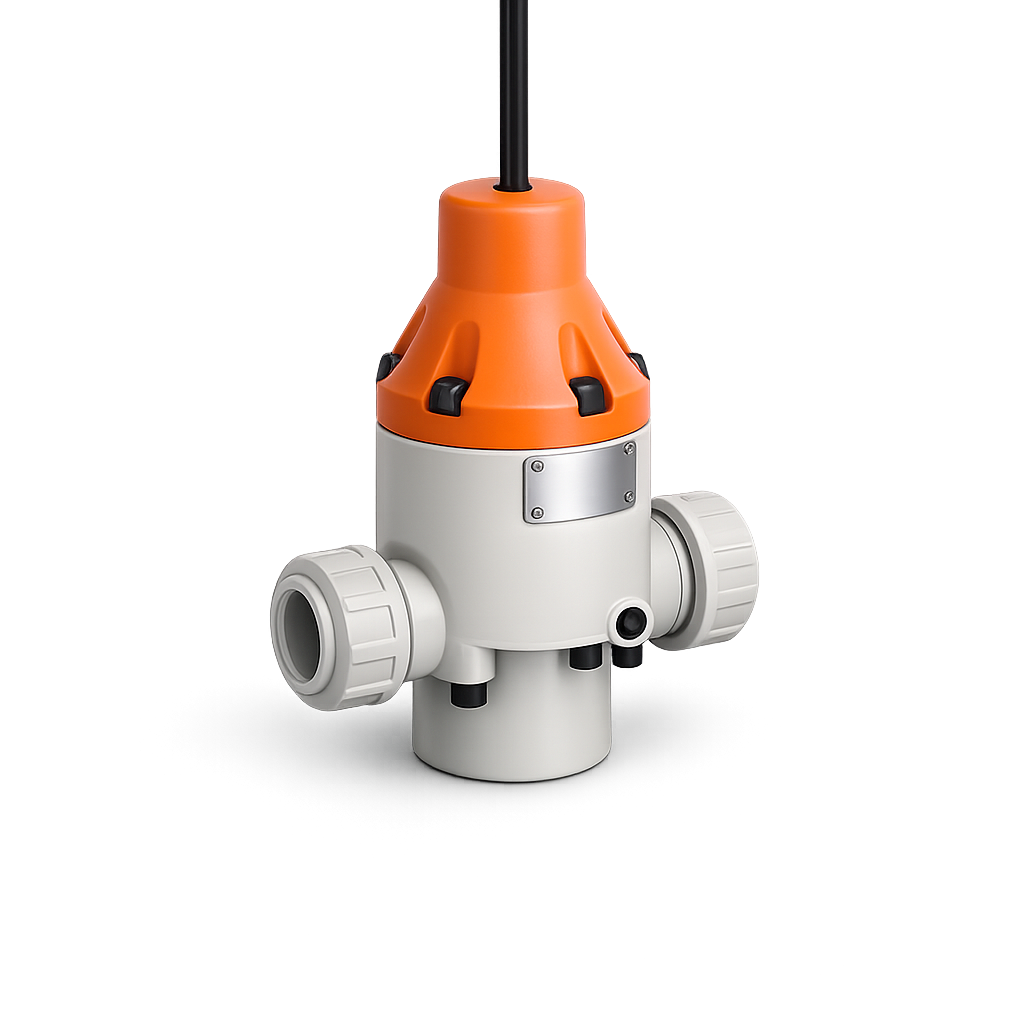
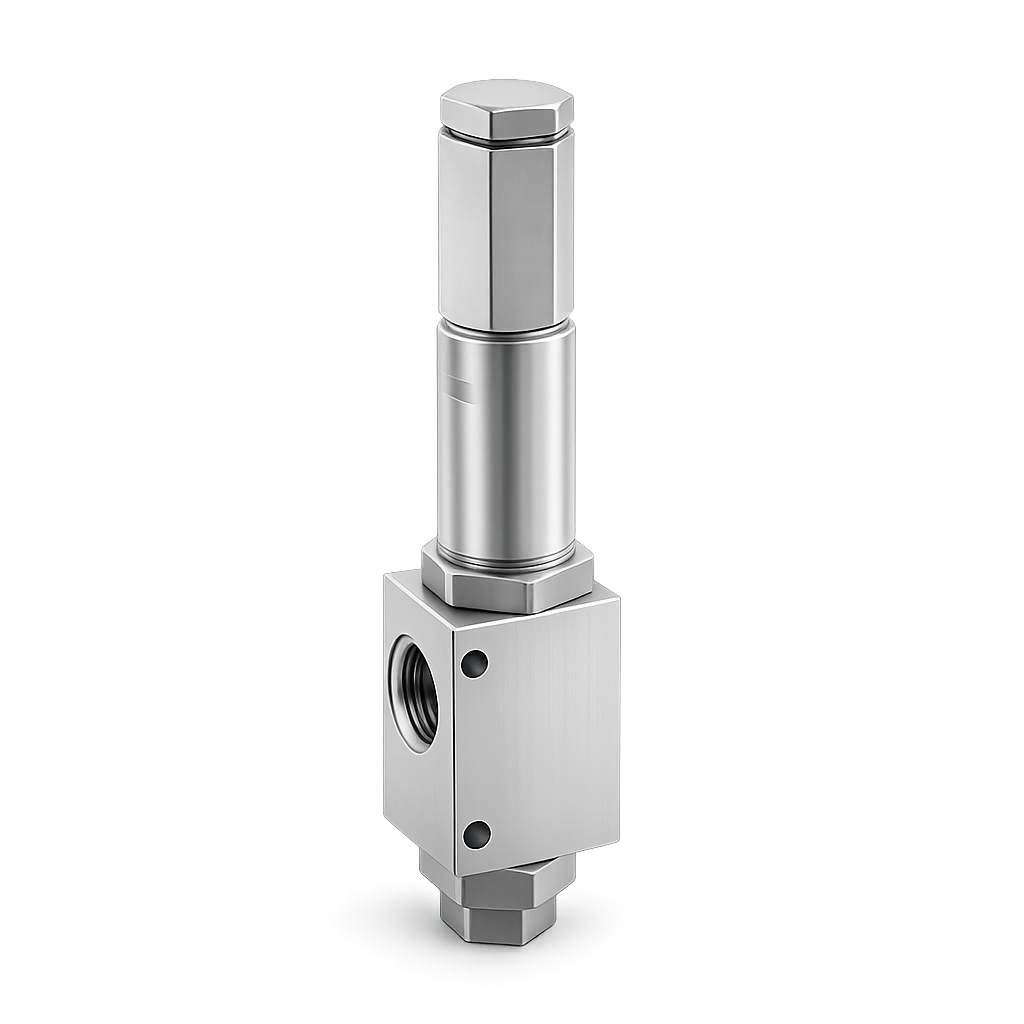
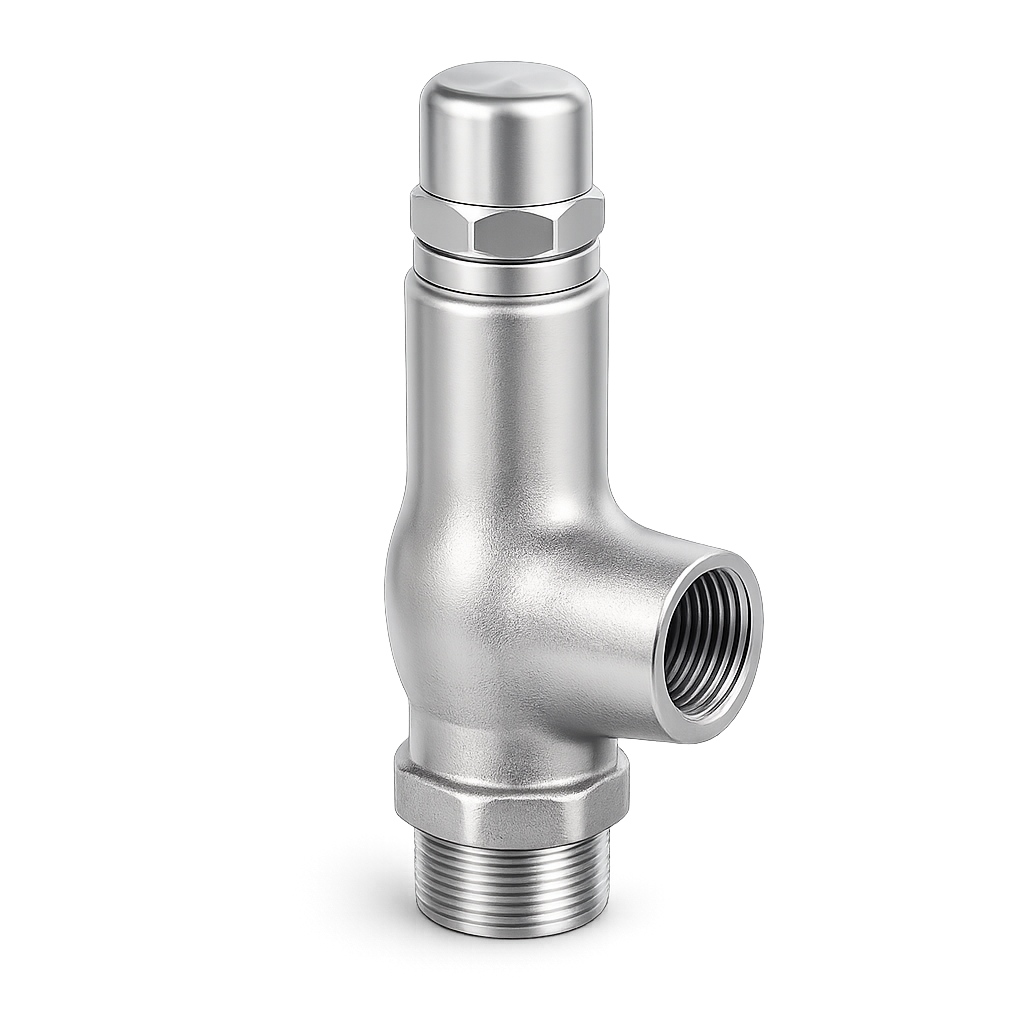
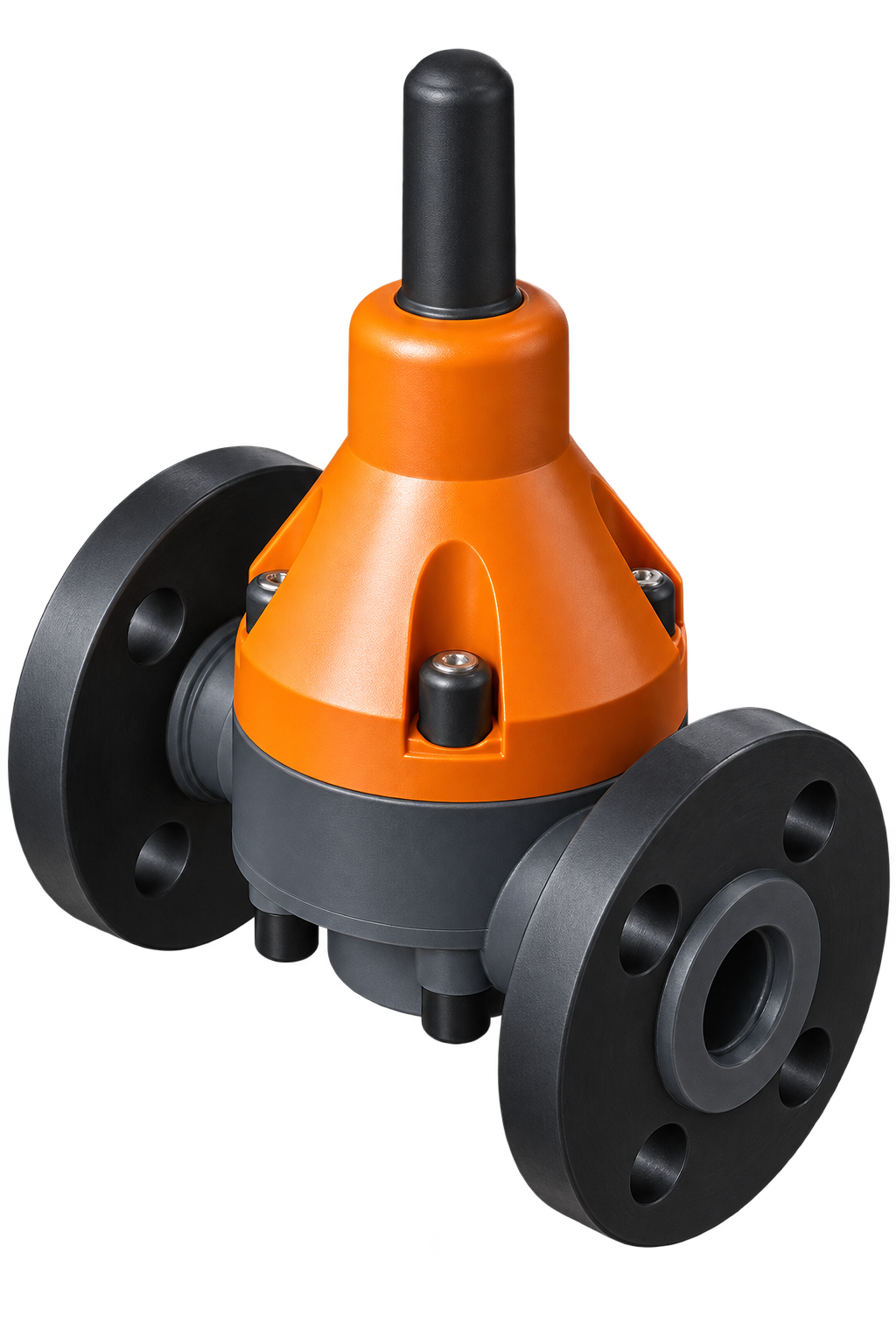
PRESSURE RELIEF VALVE

EFS3
  • Proportional relief valve for upstream pressure control
  • Setting range from 0.5 to 20 barg; DN15 to DN100
  • For compatible liquids, compressed air, neutral gases and steam
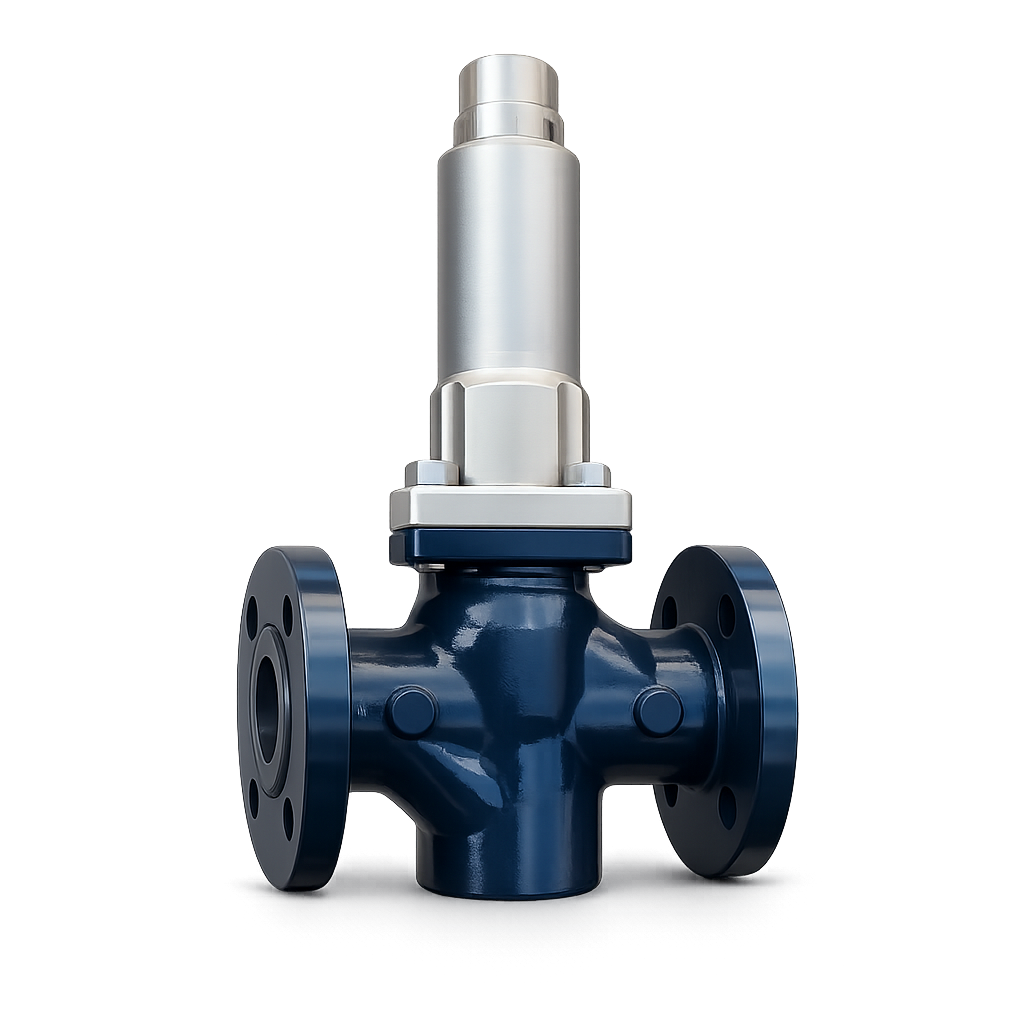
EFS3 S3 pressure relief valve for liquid gas and steam service

Applications

Configured Service Scope
Chemical
Chemical Processing
Gas
Oil & Gas
Petrochemical
Water Treatment

Key Specifications

NOMINAL SIZESDN15 to DN100 (DN125 and DN150 on request)
SETTING PRESSURE0.5 to 20 barg
PRESSURE RATINGSPN25 / PN40, ANSI Class 150 / 300
MAXIMUM OPERATING TEMPERATUREUp to 250°C, depending on material
END CONNECTIONSEN / ANSI flanged; BSP / NPT threaded; SW / BW on request
BODY MATERIALSNodular iron, bronze, carbon steel or stainless steel CF3M; Super Duplex on request
SEAT OPTIONSMetal-to-metal or soft seat, depending on service
COMPLIANCEPED 2014/68/EU

Selection & RFQ Assistant

Help us identify the right solution
Guided request

Build a technical RFQ line with service data, sizing conditions, accessories and documents.

01
Service
02
Process
03
Options

FAQs

The EFS3 is a spring-loaded pressure relief valve for upstream pressure control and controlled excess-pressure relief in industrial systems handling liquids, gases and steam. When upstream pressure rises above the selected setting, the valve opens to discharge excess flow downstream.
Upstream pressure control means maintaining pressure on the inlet side of the valve. When inlet pressure rises above the set value, the EFS3 opens and relieves excess flow to help control upstream pressure.
A pressure reducing valve controls downstream pressure by reducing a higher inlet pressure. The EFS3 performs the opposite function: it responds to upstream pressure and opens when inlet pressure rises above the selected setting.
The EFS3 is intended for controlled excess-pressure relief and upstream pressure control. A conventional pressure safety valve is primarily intended for emergency overpressure protection and may have different opening characteristics and code requirements. The correct valve type depends on the required process function and applicable project requirements.

ABOUT EFS3

The EFS3 is a spring-loaded pressure relief valve for upstream pressure control and controlled excess-pressure relief in industrial systems handling liquids, gases and steam. When upstream pressure rises above the selected setting, the valve opens proportionally to discharge excess flow downstream.

The published range covers DN15 to DN100, with DN125 and DN150 available on request, setting pressures from 0.5 to 20 barg, and ratings of PN25, PN40, ANSI Class 150 and Class 300. EN and ANSI flanged connections are available, together with BSP or NPT threaded ends and SW or BW welded connections on request. Maximum operating temperature is up to 250°C, depending on material and configuration.

The EFS3 is a pressure relief and upstream-control valve, not a substitute for a conventional pressure safety valve. Where emergency overpressure protection is required, the appropriate safety device must be assessed separately. Final selection should be based on the fluid, setting pressure, upstream and downstream pressure conditions, required flow, temperature, materials and project requirements.

Frequently Asked Questions

The EFS3 is a spring-loaded pressure relief valve for upstream pressure control and controlled excess-pressure relief in industrial systems handling liquids, gases and steam. When upstream pressure rises above the selected setting, the valve opens to discharge excess flow downstream.
Upstream pressure control means maintaining pressure on the inlet side of the valve. When inlet pressure rises above the set value, the EFS3 opens and relieves excess flow to help control upstream pressure.
A pressure reducing valve controls downstream pressure by reducing a higher inlet pressure. The EFS3 performs the opposite function: it responds to upstream pressure and opens when inlet pressure rises above the selected setting.
The EFS3 is intended for controlled excess-pressure relief and upstream pressure control. A conventional pressure safety valve is primarily intended for emergency overpressure protection and may have different opening characteristics and code requirements. The correct valve type depends on the required process function and applicable project requirements.
The EFS3 responds to upstream pressure and opens proportionally when that pressure rises above the selected setting. This principle can be used for back-pressure or excess-pressure control, subject to the required process conditions and correct valve sizing.
The published EFS3 setting-pressure range is 0.5 to 20 barg. The exact setting should be confirmed according to the selected size, service conditions and configuration.
The standard published range covers DN15 to DN100, with DN125 and DN150 available on request. The final valve size should be selected according to the required flow capacity and process conditions.
The EFS3 is available in PN25, PN40, ANSI Class 150 and ANSI Class 300, depending on the selected valve and connection configuration.
The EFS3 can be supplied with EN or ANSI flanged connections and BSP or NPT threaded connections. Socket-weld (SW) and butt-weld (BW) connections are available on request. The exact arrangement should be confirmed for the selected configuration.
Yes. Liquid service is part of the published EFS3 scope. Final selection should consider the process fluid, required flow, setting pressure, temperature and installation conditions.
Yes. The EFS3 can be configured for gas service where the selected materials, pressure range and sizing conditions are appropriate.
Yes. Steam is included in the published EFS3 service scope. The actual steam temperature, pressure and required flow capacity should be defined for final selection.
The published maximum operating temperature is up to 250°C, depending on the selected materials and configuration.
Published configurations include nodular iron, bronze, carbon steel and stainless steel CF3M. Super Duplex construction can be evaluated on request. Material selection should be based on fluid compatibility, temperature, corrosion conditions and the project specification.
Yes. The EFS3 can be supplied with metallic or soft-seat sealing arrangements, depending on the service conditions. The appropriate sealing configuration should be selected according to the fluid, temperature and required shut-off performance.
Yes. Water treatment is included in the published EFS3 application scope. The valve can be considered where controlled upstream pressure relief is required and the selected materials and operating conditions are suitable.
Yes. Chemical, Oil & Gas and petrochemical applications are included in the published EFS3 scope. Final configuration should be selected according to pressure, temperature, process fluid and material compatibility.
Yes, where the required function is to relieve excess upstream pressure and the EFS3 flow capacity and operating range are suitable. The actual relief case and required flow should be established from the process data before final selection.
Yes. The EFS3 can be integrated into skid-mounted and packaged process systems where its setting pressure, size, connection arrangement and flow capacity are suitable for the application.
No. The EFS3 should be selected according to the required flow capacity and process conditions, not simply by matching the pipeline diameter.
Normally required information includes the process fluid, setting pressure, upstream operating pressure, downstream pressure or backpressure, required flow capacity, operating temperature, size if already specified, connection standard, material and sealing requirements, and any applicable testing or documentation requirements.
Yes. The EFS3 can be considered for EPC and project-managed applications where setting pressure, required flow, materials, connection standards, testing, inspection and documentation requirements are defined during the RFQ stage. Final configuration should be confirmed against the project specification and actual process data.