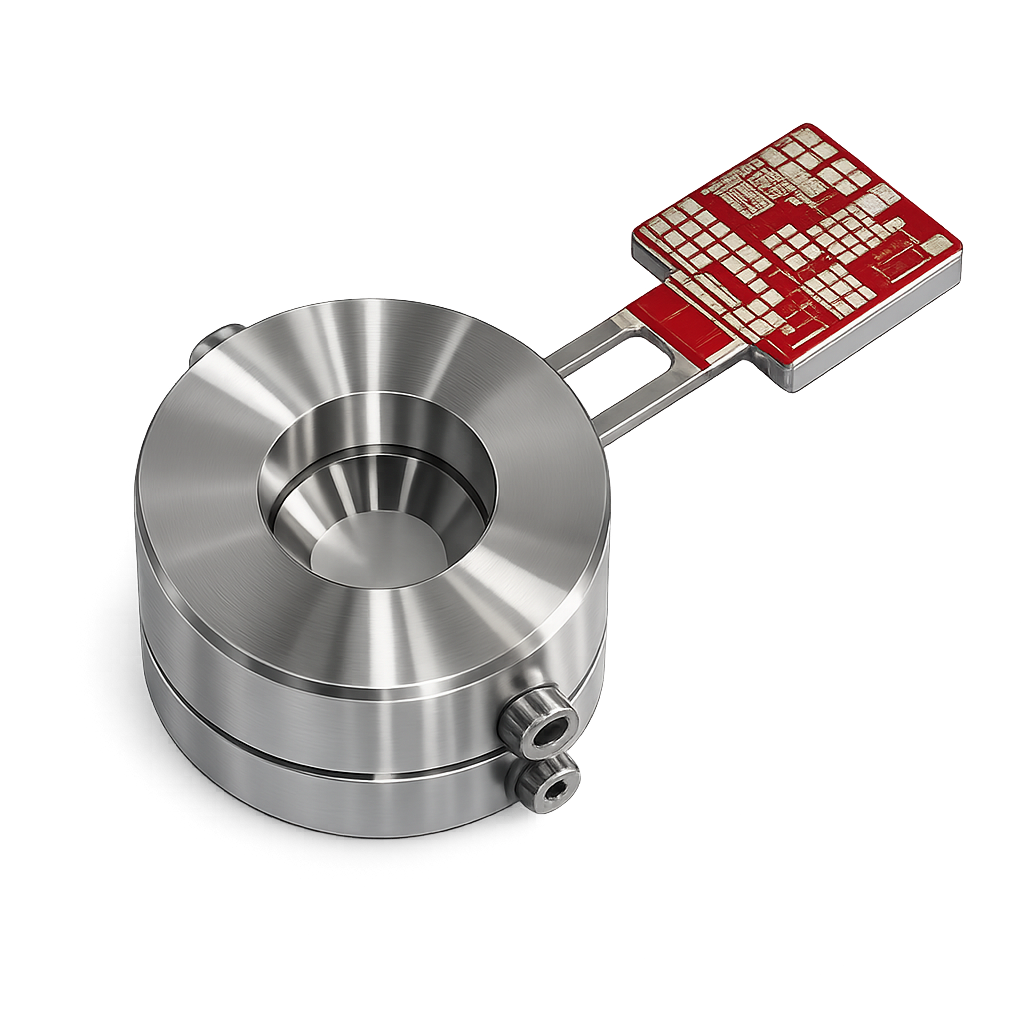
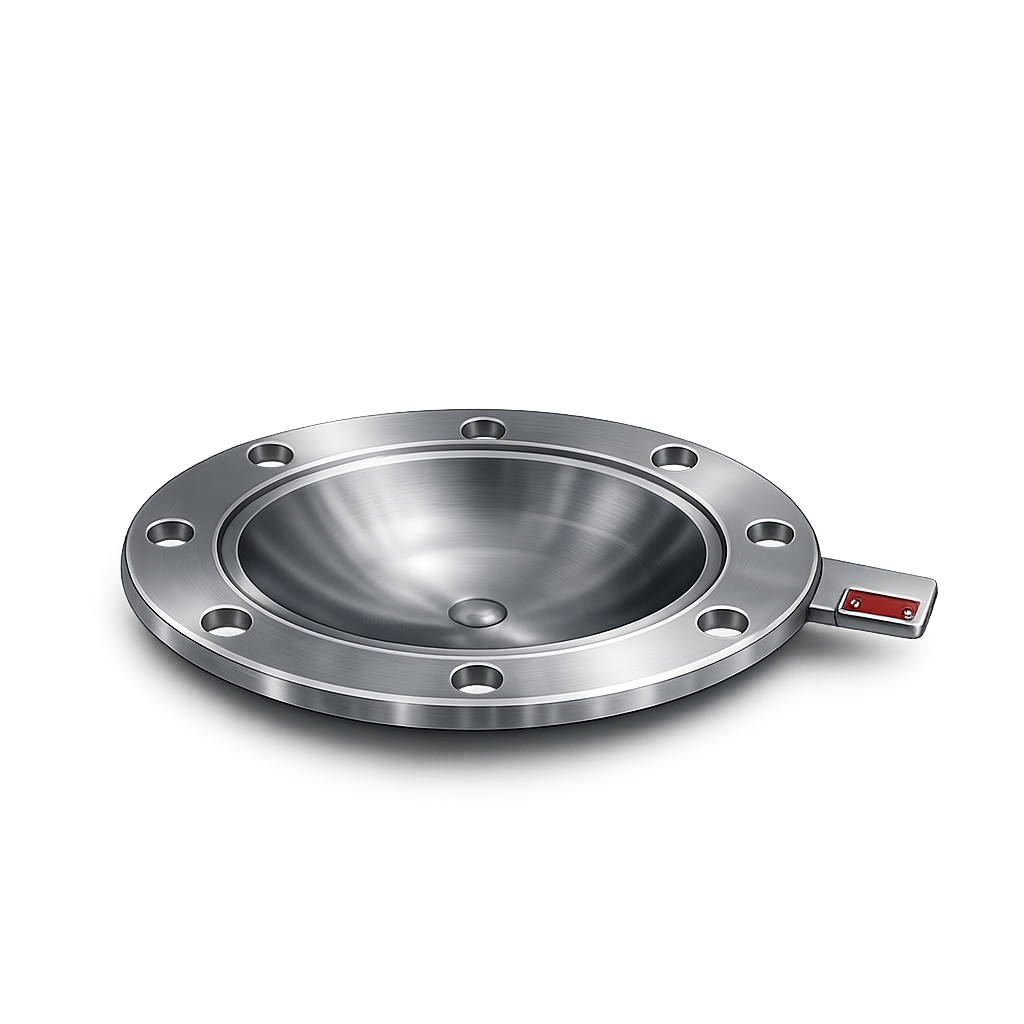
Ultra Low Pressure Rupture Disc
EFKSRRL
Applications
Configured Service Scope
Chemical
Corrosive Service
Food & Beverage
Oil & Gas
Petrochemical
Pharmaceutical
Key Specifications
Selection routeUltra low pressure type
Indicative size rangeTypically 1/2" - 32" depending on configuration
Indicative set pressureApprox. 0.01 - 1.0 kg/cm2 / low mmAq ranges
Service phaseMainly gas or vapour service
Vacuum supportUsually required
Max operating ratioTypically up to 50%
Selection & RFQ Assistant
Help us identify the right solution
Guided request
Build a technical RFQ line with service data, sizing conditions, accessories and documents.
01
Service
02
Process
03
Options
FAQs
Use a rupture disc when zero leakage is required, very fast response is needed, corrosive or fouling media are present, maintenance must be minimized, or cost needs to be optimized. Rupture discs are also often used in combination with safety valves for additional protection or isolation.
Yes. Rupture discs are commonly installed upstream of a pressure safety valve to help protect it from corrosion or fouling, or downstream of a pressure safety valve to help protect against backpressure or contamination. This combination can improve reliability, lifetime and tightness.
The most common types include forward-acting rupture discs, reverse buckling rupture discs, graphite rupture discs and composite rupture discs. Each type is selected according to pressure, temperature and process conditions.
A forward-acting disc bursts under tensile stress and is generally simpler. A reverse buckling disc collapses under compression and is generally more resistant to cycling and more accurate. Reverse buckling discs are often preferred in demanding industrial applications.
ABOUT EFKSRRL
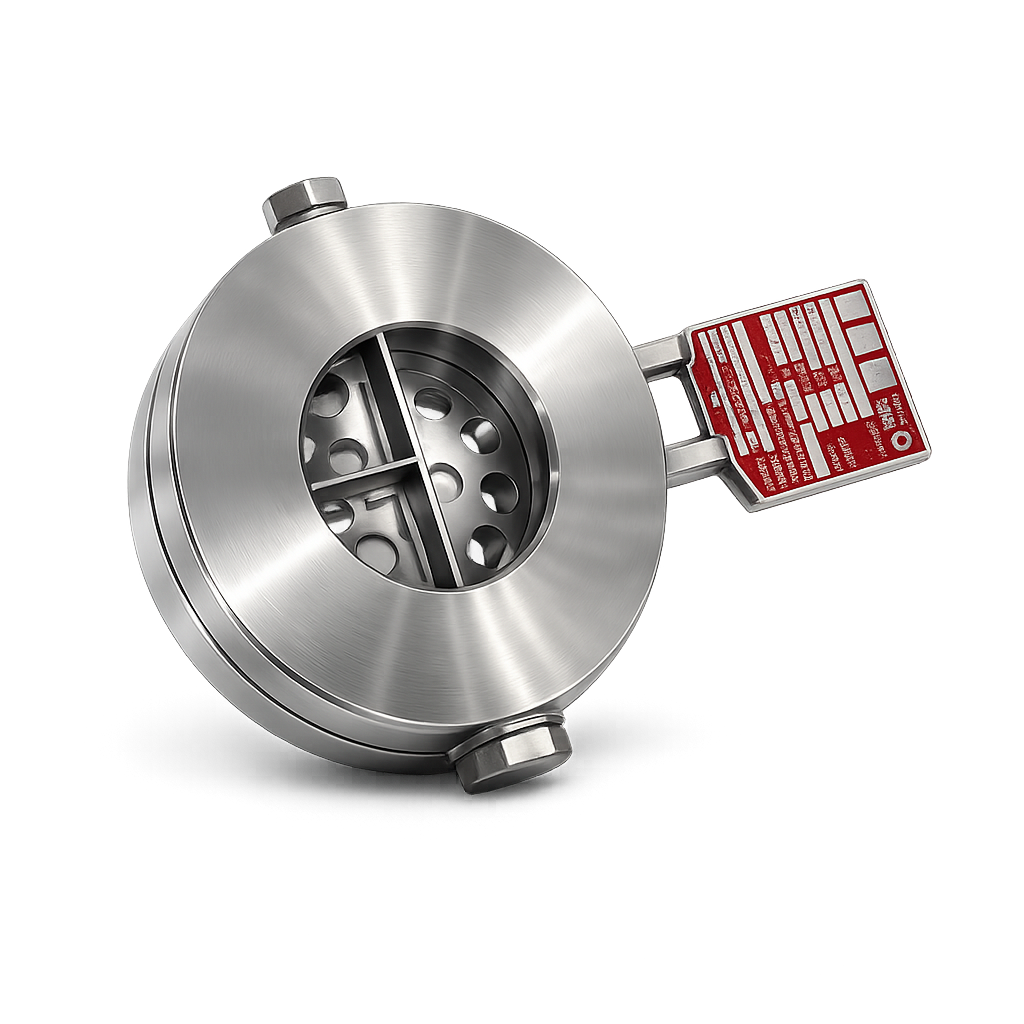
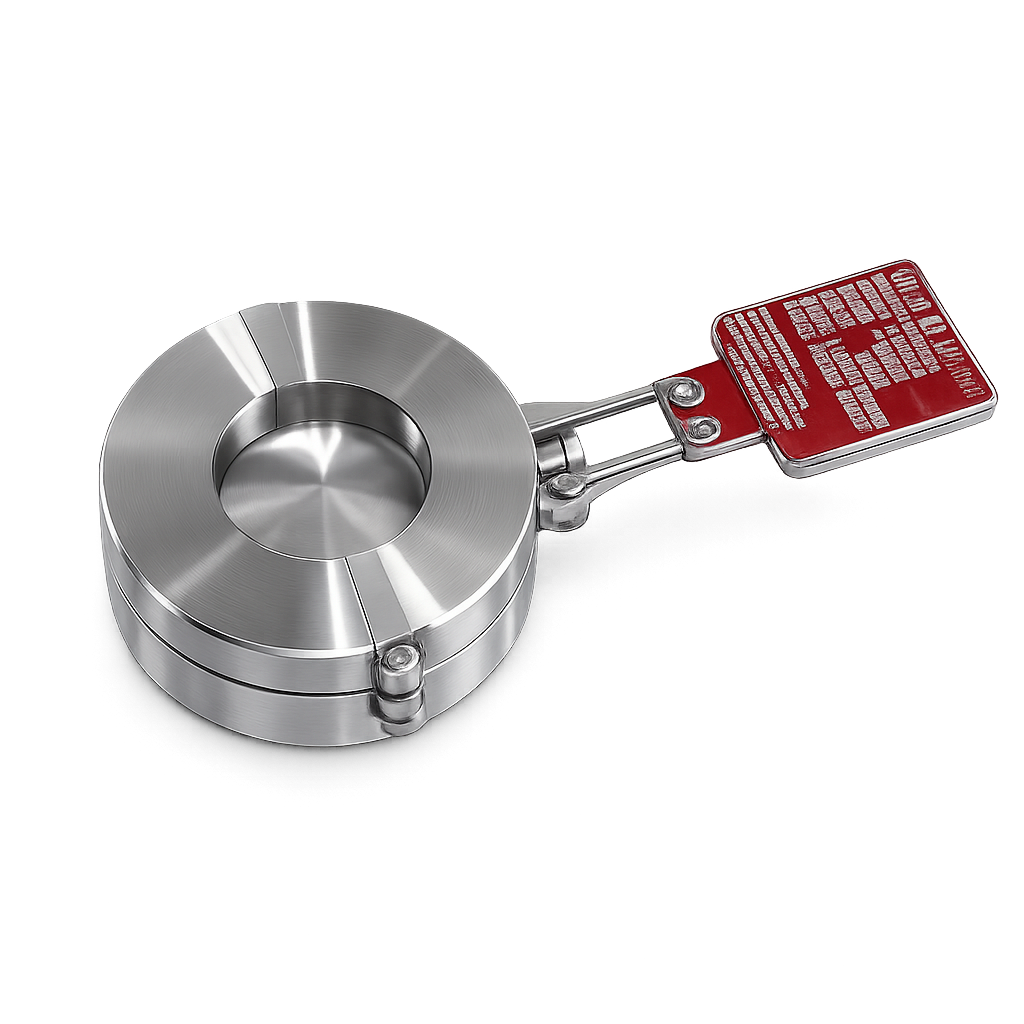
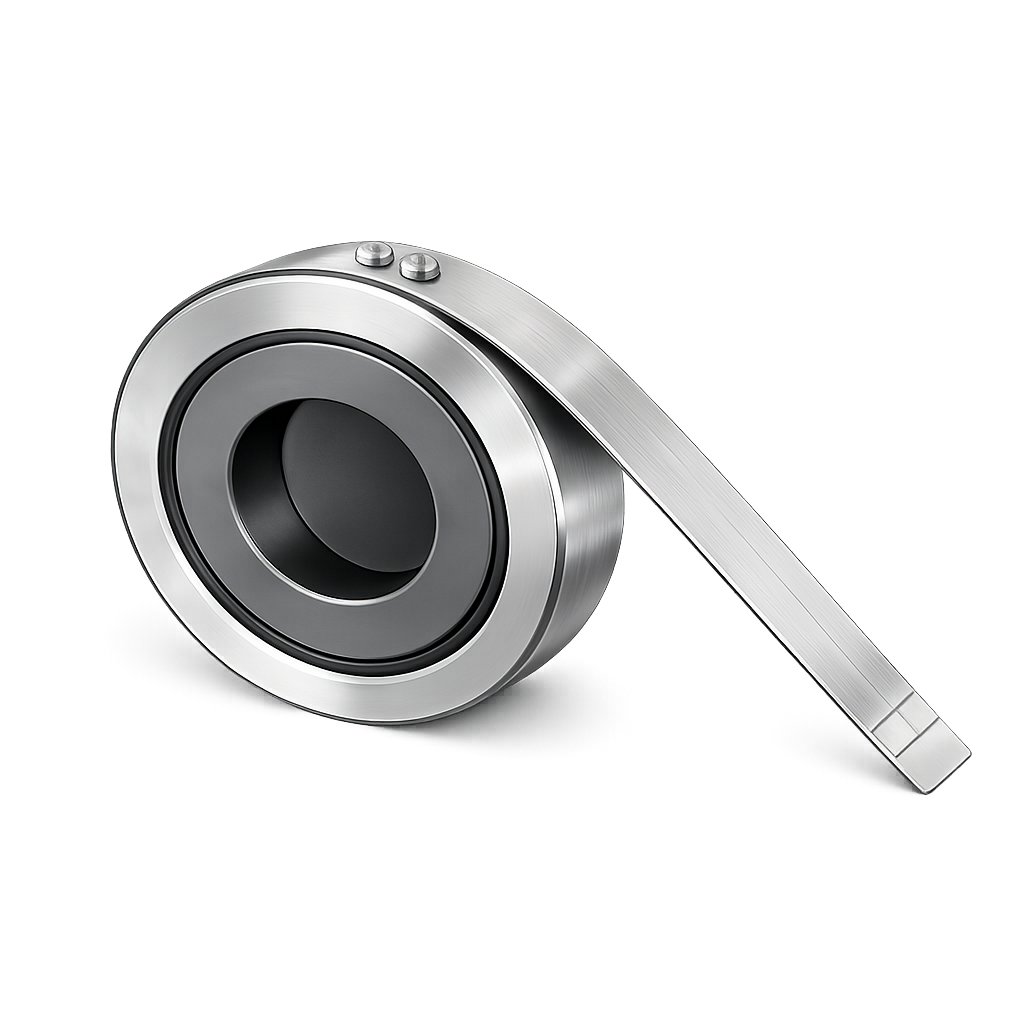
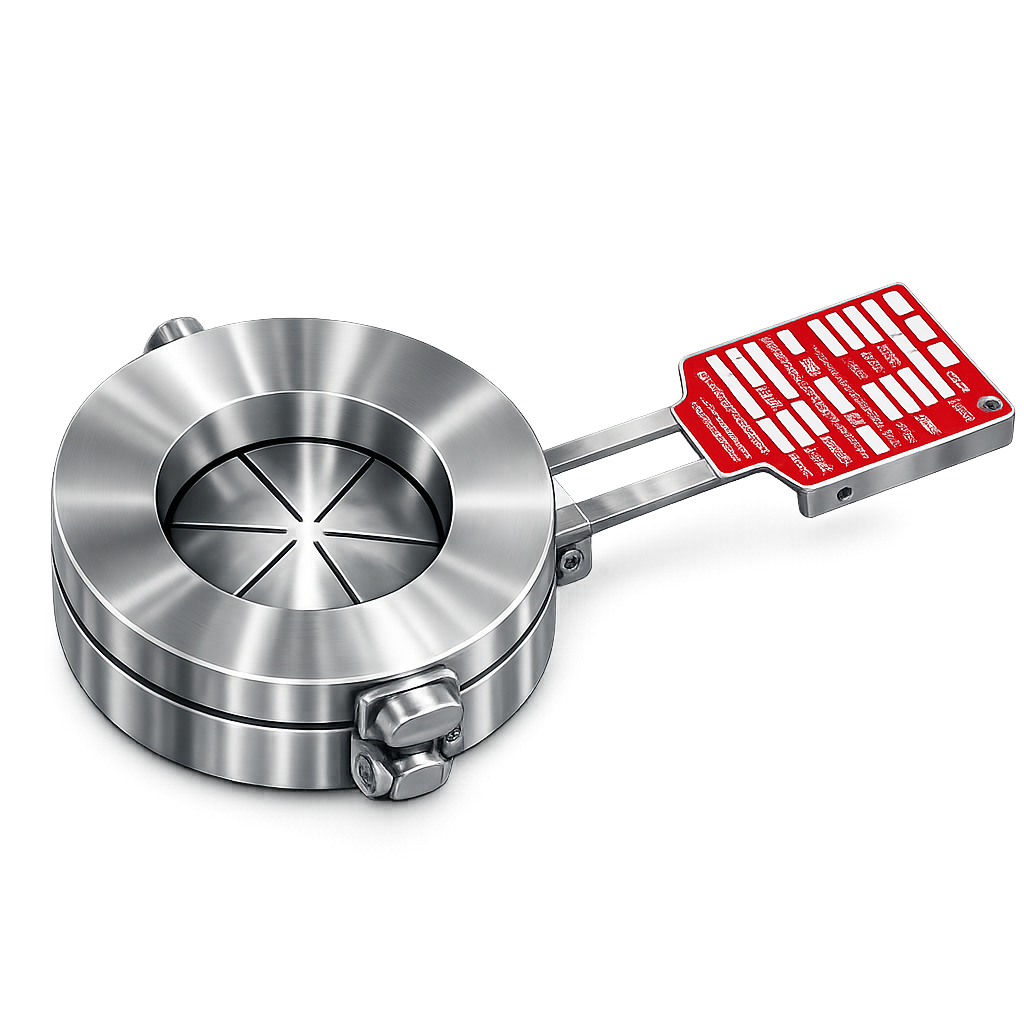
A rupture disc is a non-reclosing pressure relief device designed to open at a defined burst pressure and provide rapid, full-bore protection against overpressure or vacuum conditions.
Unlike a reclosing valve, the disc is a passive safety element with no moving parts. It is commonly used where fast response, tight sealing, corrosion resistance or contamination control are required.
The final rupture disc configuration depends on the operating case: burst pressure, burst temperature, service phase, nominal size, vacuum requirement, holder or connection type, material compatibility and project documentation.
Frequently Asked Questions
Use a rupture disc when zero leakage is required, very fast response is needed, corrosive or fouling media are present, maintenance must be minimized, or cost needs to be optimized. Rupture discs are also often used in combination with safety valves for additional protection or isolation.
Yes. Rupture discs are commonly installed upstream of a pressure safety valve to help protect it from corrosion or fouling, or downstream of a pressure safety valve to help protect against backpressure or contamination. This combination can improve reliability, lifetime and tightness.
The most common types include forward-acting rupture discs, reverse buckling rupture discs, graphite rupture discs and composite rupture discs. Each type is selected according to pressure, temperature and process conditions.
A forward-acting disc bursts under tensile stress and is generally simpler. A reverse buckling disc collapses under compression and is generally more resistant to cycling and more accurate. Reverse buckling discs are often preferred in demanding industrial applications.
Burst tolerance depends on the applicable standard and disc design. It is typically around +/-5% for standard applications, with tighter tolerances available for critical processes. Requirements should always be verified against applicable standards such as ISO 4126-2 or ASME.
Yes, but not all rupture disc types are suitable for vacuum service. Standard discs may fail under vacuum, so vacuum support or a suitable reverse buckling design may be required. Vacuum conditions should always be specified during selection.
Common materials include stainless steel such as 316L, nickel alloys such as Inconel or Hastelloy, graphite and PTFE-lined options. Material selection depends on corrosion resistance, operating temperature and chemical compatibility.
Yes. Rupture discs are often preferred in corrosive environments because they have no moving parts, can be selected for full material compatibility, and can be used as a barrier upstream of a pressure safety valve.
The lifespan depends on operating conditions. Under stable conditions, a rupture disc may remain in service for several years. Pressure cycling or harsh environments can shorten service life, so regular inspection is recommended, especially in critical services.
Rupture discs require minimal maintenance, but they should be inspected periodically, replaced after bursting, and checked for signs of corrosion or fatigue.
No. Once a rupture disc has burst, it must be replaced immediately.
Backpressure is pressure on the outlet side of the disc. Some rupture discs are sensitive to backpressure, while reverse buckling designs generally handle it better. If backpressure is not considered correctly, it may cause premature rupture or malfunction.
Sizing depends on required relieving capacity, fluid type, pressure, temperature and the applicable standard. Calculations should follow relevant ISO 4126 or ASME guidelines.
Yes, but with caution. Liquids can cause shock loading, so correct design and installation are critical.
Rupture discs are commonly used in chemical and petrochemical plants, oil and gas, pharmaceutical production, food processing, energy and utilities.
Main standards include ISO 4126-2, ASME Section VIII and PED for Europe. Project-specific requirements should always be confirmed.
A rupture disc holder is a mechanical support device that secures the disc in position, ensures correct sealing and allows replacement. Rupture discs should be installed with the correct holder.
Yes. Optional monitoring systems include burst detection sensors, pressure monitoring and remote signaling. These options are especially important in automated or hazardous installations.
Key installation considerations include correct orientation, proper torque on holder bolts, avoiding damage during installation, avoiding misalignment and considering piping stress. Improper installation is a common cause of failure.