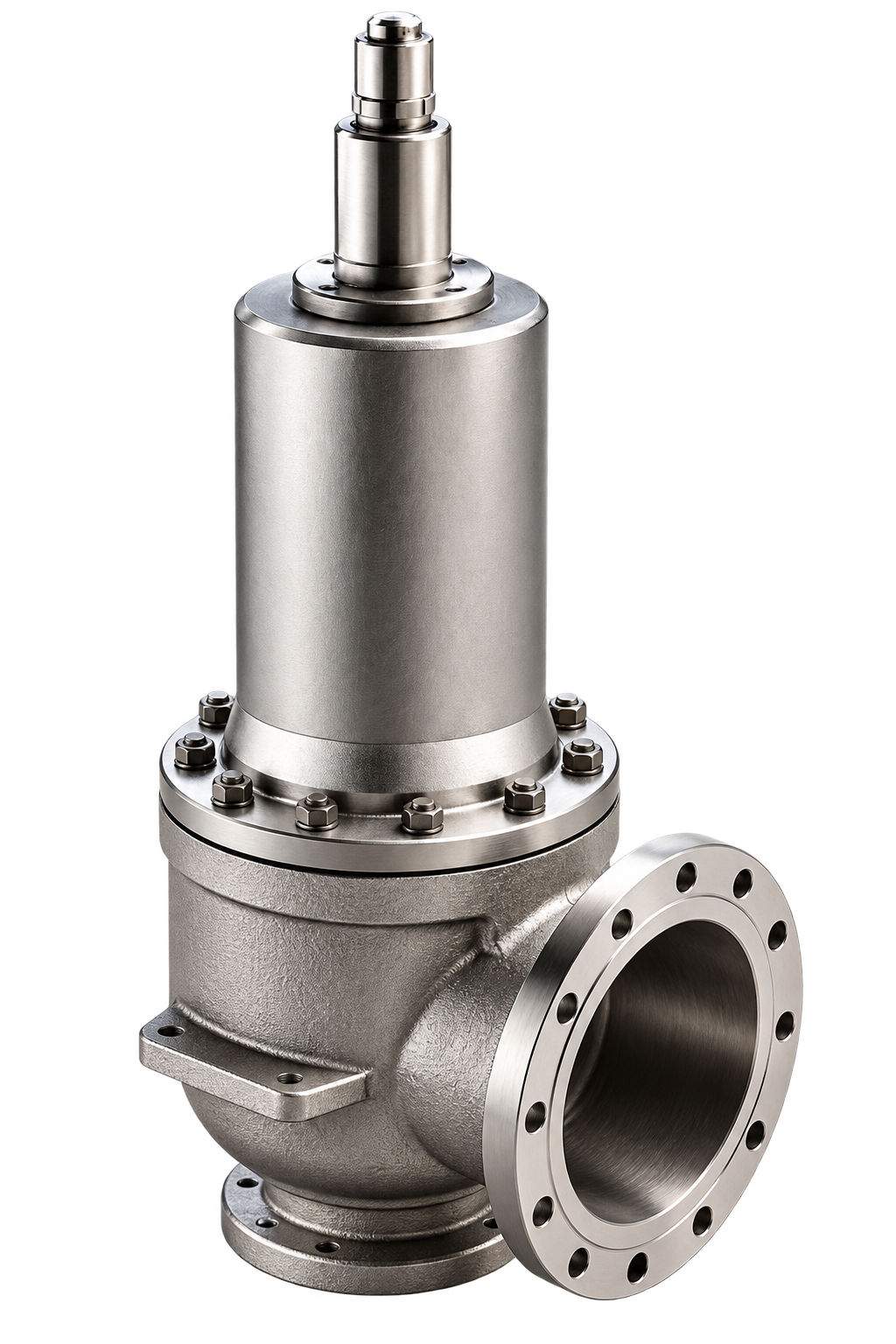
SHEAR PIN PRESSURE RELIEF DEVICE

EF-SHP
  • Rapid full opening for high-capacity relief duties
  • Calibrated shear pin with defined activation pressure
  • Compact inline design with manual reset
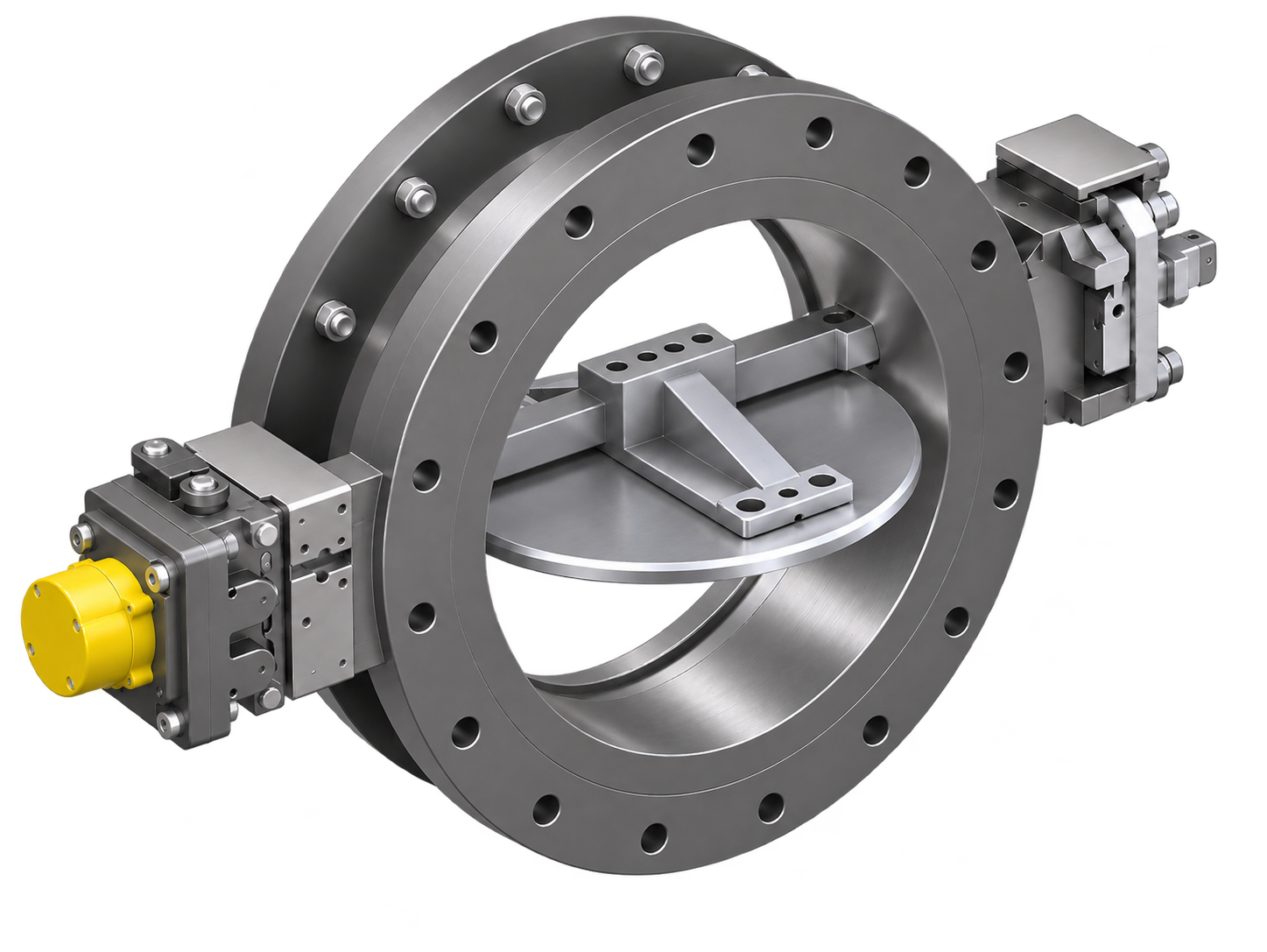
EF-SHP inline shear pin pressure relief device

Applications

Configured Service Scope
Chemical
Flare Gas Recovery
Flare Headers
Gas
Gas Recovery Systems
Petrochemical

Key Specifications

NOMINAL SIZES8" to 72" / DN 200 to DN 1800
SET PRESSURE5 to 45 psig
CONNECTIONFlanged / Lug
RELEASE ACCURACYTypically ±5% for applicable configurations
DESIGNInline butterfly-style construction with triple-offset sealing
BODY MATERIALSCarbon steel / Stainless steel / Special alloys on request
SEAL OPTIONSMetallic / PTFE / Elastomeric, subject to service conditions
RESETManual reset with replacement calibrated shear pin
DESIGN BASISASME Section VIII / National Board capacity certification where applicableCertification scope depends on configuration

Selection & RFQ Assistant

Help us identify the right solution
Guided request

Build a technical RFQ line with service data, sizing conditions, accessories and documents.

01
Service
02
Process
03
Options

FAQs

The EF-SHP is a non-reclosing pressure relief device designed for industrial applications requiring rapid opening, high relieving capacity and accurate pressure activation. It uses a calibrated shear pin to release the closure element when the specified pressure is reached. Final selection depends on the required relieving capacity, process conditions and applicable design requirements.
The device uses a calibrated mechanical pin to hold its closure element in position during normal operation. When the specified activation pressure is reached, the pin shears and releases the closure mechanism, allowing the device to open rapidly. After activation, the device remains open until it is manually reset and fitted with the correct replacement calibrated pin.
Both technologies belong to the family of pin-actuated, non-reclosing pressure relief devices. The main difference is their activation mechanism. A shear pin device operates through mechanical shearing of a calibrated pin, while a buckling pin device uses a pin designed to deform under axial compressive loading. Both require replacement of the calibrated element after activation, but their mechanical designs and operating characteristics differ.
A conventional pressure safety valve normally opens when the set pressure is reached and recloses automatically as pressure decreases. A shear pin device remains open after activation and requires manual resetting. Shear pin devices may be considered for selected applications requiring rapid opening, large relieving capacities or specific operating and sealing characteristics.

ABOUT EF-SHP

The EF-SHP Shear Pin Pressure Relief Device is a non-reclosing overpressure protection solution developed for applications requiring rapid opening and high relieving capacity. Its inline, butterfly-style construction uses a calibrated shear pin to retain the closure element during normal operation and release it when the specified activation pressure is reached.

A triple-offset sealing arrangement supports a large, unobstructed relief path within a compact pipeline configuration. Body materials, seal construction, nominal size and activation pressure are selected for the process fluid and operating conditions. After activation, the isolated and depressurised device is returned to service by resetting the mechanism and fitting the correct calibrated replacement pin.

The EF-SHP complements conventional pressure safety valves and rupture discs in selected large-diameter or high-flow duties, including project-specific flare header, flare gas recovery and gas recovery applications. These services require evaluation of the credible relief scenario, fluid properties, backpressure and complete discharge-system design. EFSVALVES supports application review, configuration, documentation and project-specific supply based on the complete relieving scenario and applicable design requirements.

Frequently Asked Questions

The EF-SHP is a non-reclosing pressure relief device designed for industrial applications requiring rapid opening, high relieving capacity and accurate pressure activation. It uses a calibrated shear pin to release the closure element when the specified pressure is reached. Final selection depends on the required relieving capacity, process conditions and applicable design requirements.
The device uses a calibrated mechanical pin to hold its closure element in position during normal operation. When the specified activation pressure is reached, the pin shears and releases the closure mechanism, allowing the device to open rapidly. After activation, the device remains open until it is manually reset and fitted with the correct replacement calibrated pin.
Both technologies belong to the family of pin-actuated, non-reclosing pressure relief devices. The main difference is their activation mechanism. A shear pin device operates through mechanical shearing of a calibrated pin, while a buckling pin device uses a pin designed to deform under axial compressive loading. Both require replacement of the calibrated element after activation, but their mechanical designs and operating characteristics differ.
A conventional pressure safety valve normally opens when the set pressure is reached and recloses automatically as pressure decreases. A shear pin device remains open after activation and requires manual resetting. Shear pin devices may be considered for selected applications requiring rapid opening, large relieving capacities or specific operating and sealing characteristics.
Both are non-reclosing overpressure protection devices. A rupture disc operates through the opening of a pressure-retaining membrane, whereas a shear pin device releases a mechanical closure element by shearing a calibrated pin. Following activation, the shear pin device can normally be reset by replacing the pin without replacing the complete device assembly.
Shear pin pressure relief devices can be considered for selected petrochemical, chemical processing, gas handling and industrial pressure protection applications. Potential services include large relieving flows, flare headers, flare gas recovery systems, gas recovery systems, process equipment and pressure relief headers. Each application requires verification of the credible relieving scenario, fluid properties, operating conditions, discharge-system design and applicable design code.
Yes. Its inline butterfly-style configuration provides a large relief flow path suitable for evaluation in high-capacity applications. The effective relieving capacity depends on device size, pressure conditions, fluid properties and the applicable flow-resistance or certified-capacity data. Selection must be based on the actual relieving duty rather than nominal connection size alone.
Certain shear pin designs incorporate a preload mechanism intended to reduce the effects of normal pressure fluctuations on the calibrated pin. This can improve operating stability and help maintain accurate activation characteristics. The permissible operating pressure relative to the required activation pressure must be confirmed for the selected configuration and service conditions.
The EF-SHP can be configured with metallic or alternative sealing arrangements according to the application. Low-leakage configurations may be available to ANSI/FCI Class V or Class VI requirements, subject to the selected seal design and applicable testing conditions. The required leakage class should be specified during technical evaluation.
The available nominal size range is 8 inches to 72 inches (DN 200 to DN 1800), with activation pressures from 5 to 45 psig. The applicable combination of size, activation pressure, materials and certification must be confirmed for each project. Certification availability may vary across the size and pressure range.
The EF-SHP may be considered for selected flare and pressure relief header applications where its operating characteristics are appropriate. This can include specific flare gas recovery, gas recovery, bypass or staging duties. The complete discharge system must be evaluated, including the credible relief scenario, required relieving capacity, backpressure, fluid properties and installation arrangement. Compatibility with the specific header and recovery-system design must be confirmed before selection.
Yes. Following activation, the device can be manually reset using a correctly specified replacement shear pin. Before resetting, the system must be safely isolated, depressurised and inspected in accordance with the applicable operating procedures. The complete device does not normally need to be replaced following a standard activation event.
The main information normally required includes: - Process fluid and fluid properties - Required relieving capacity - Activation pressure and normal operating pressure - Relieving pressure and allowable overpressure - Operating and relieving temperatures - Backpressure and discharge conditions - Nominal size and connection requirements - Materials and seal requirements - Applicable code and project specifications Inspection, testing, documentation and certification requirements should also be identified during the RFQ stage.
The EF-SHP belongs to the family of non-reclosing pressure relief devices operated by a calibrated mechanical pin. Relevant requirements may include ASME pressure relief device provisions and applicable project specifications. Specific certifications, capacity data and conformity requirements must be verified for the selected configuration and destination market.
The EF-SHP is supplied according to project requirements. Delivery time depends on nominal size, materials, activation pressure, sealing configuration, quantity, testing and documentation requirements. The applicable manufacturing and delivery schedule is confirmed individually with each quotation.
Yes. EFSVALVES can support project-specific technical evaluation, selection and the coordination of engineering and supply documentation. Depending on the agreed scope, drawings, material certificates, inspection and test documentation, and other project deliverables may be incorporated into the quotation and supply. Applicable requirements should preferably be identified during the RFQ stage.