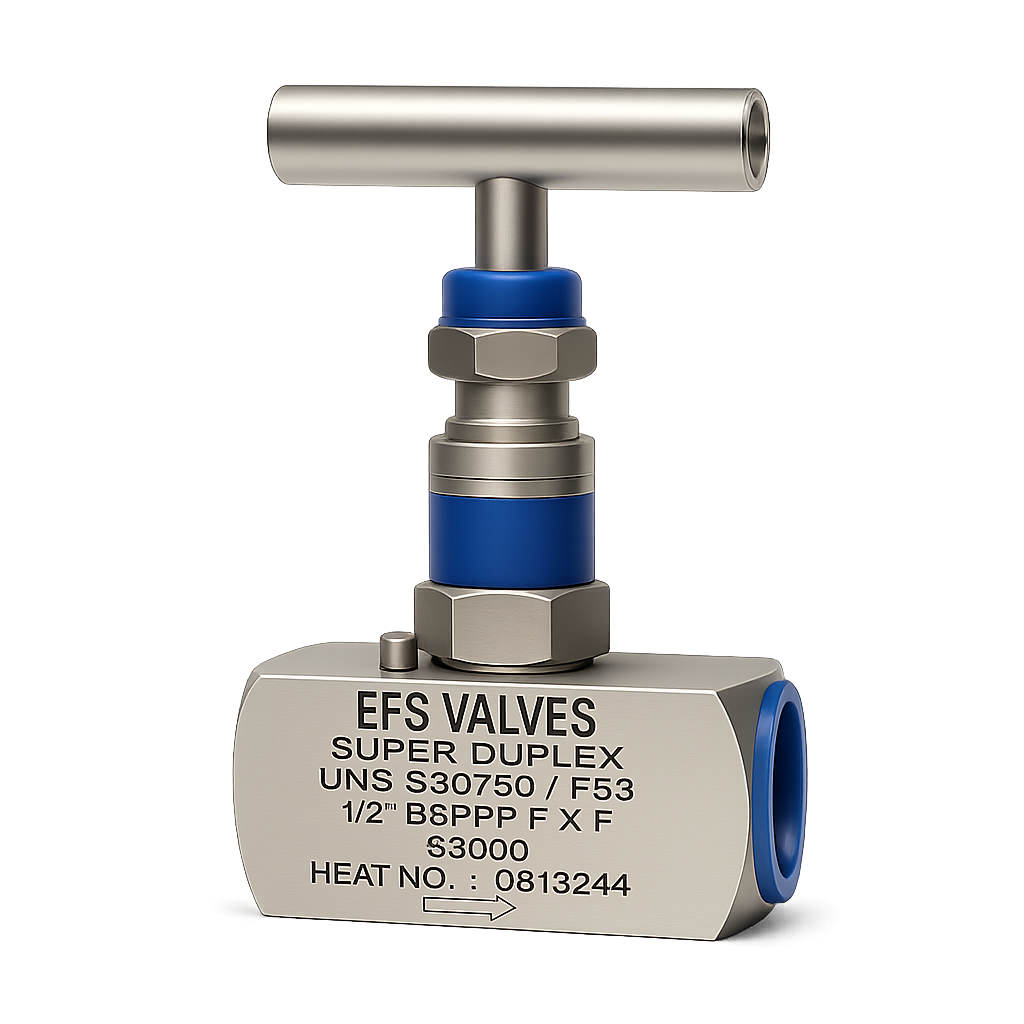
FLANGED BALL VALVE

EF42
  • Full bore floating ball design for reliable shut-off and low pressure drop.
  • RPTFE or PEEK seats for corrosive and demanding services.
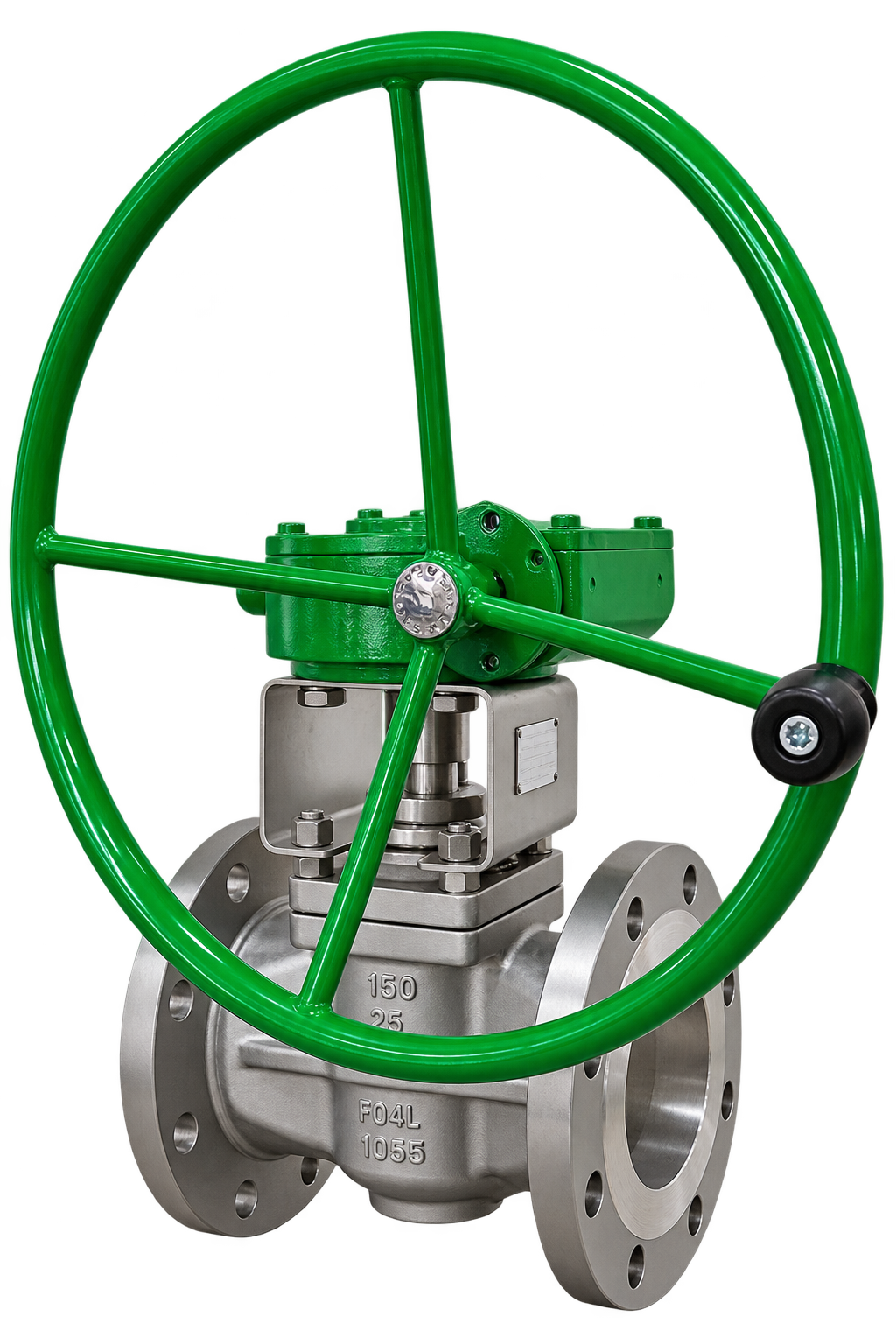
  • Available up to 10” with manual, gear or automated operation.
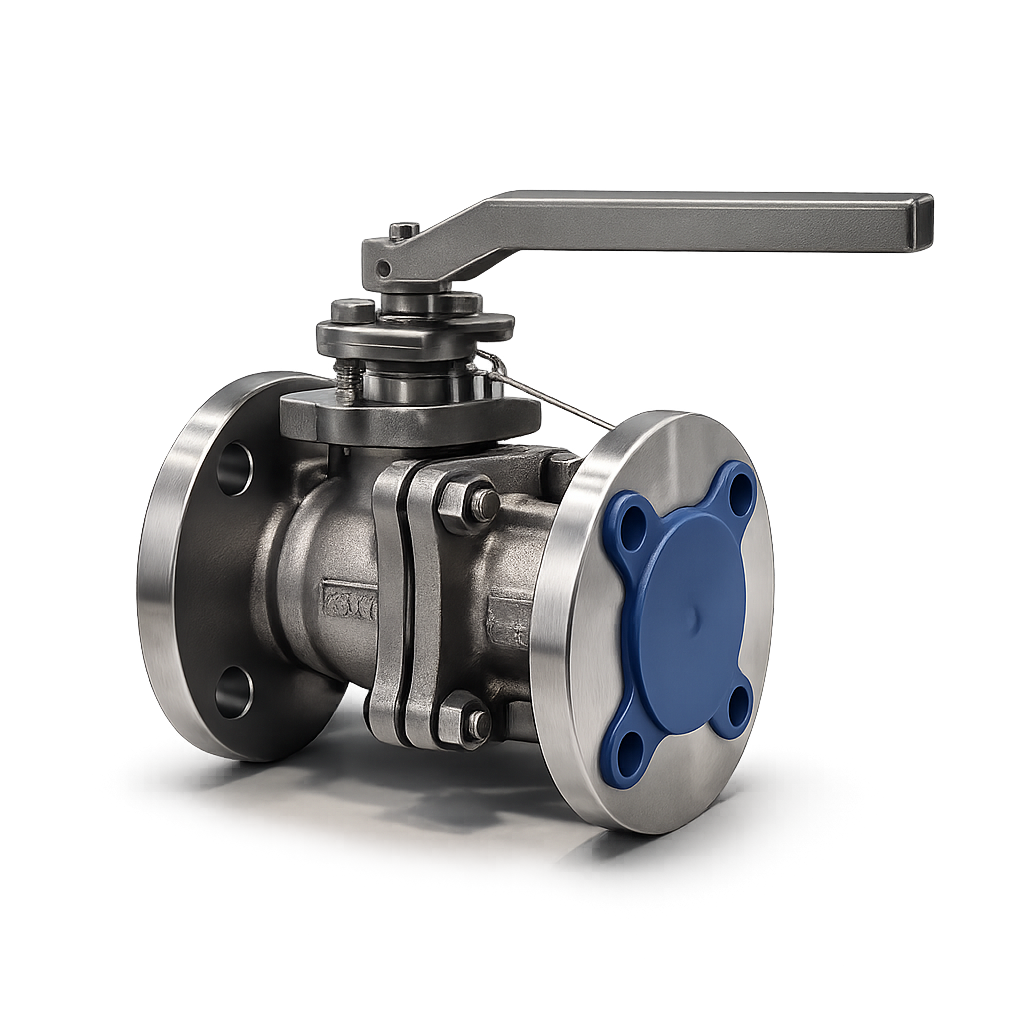
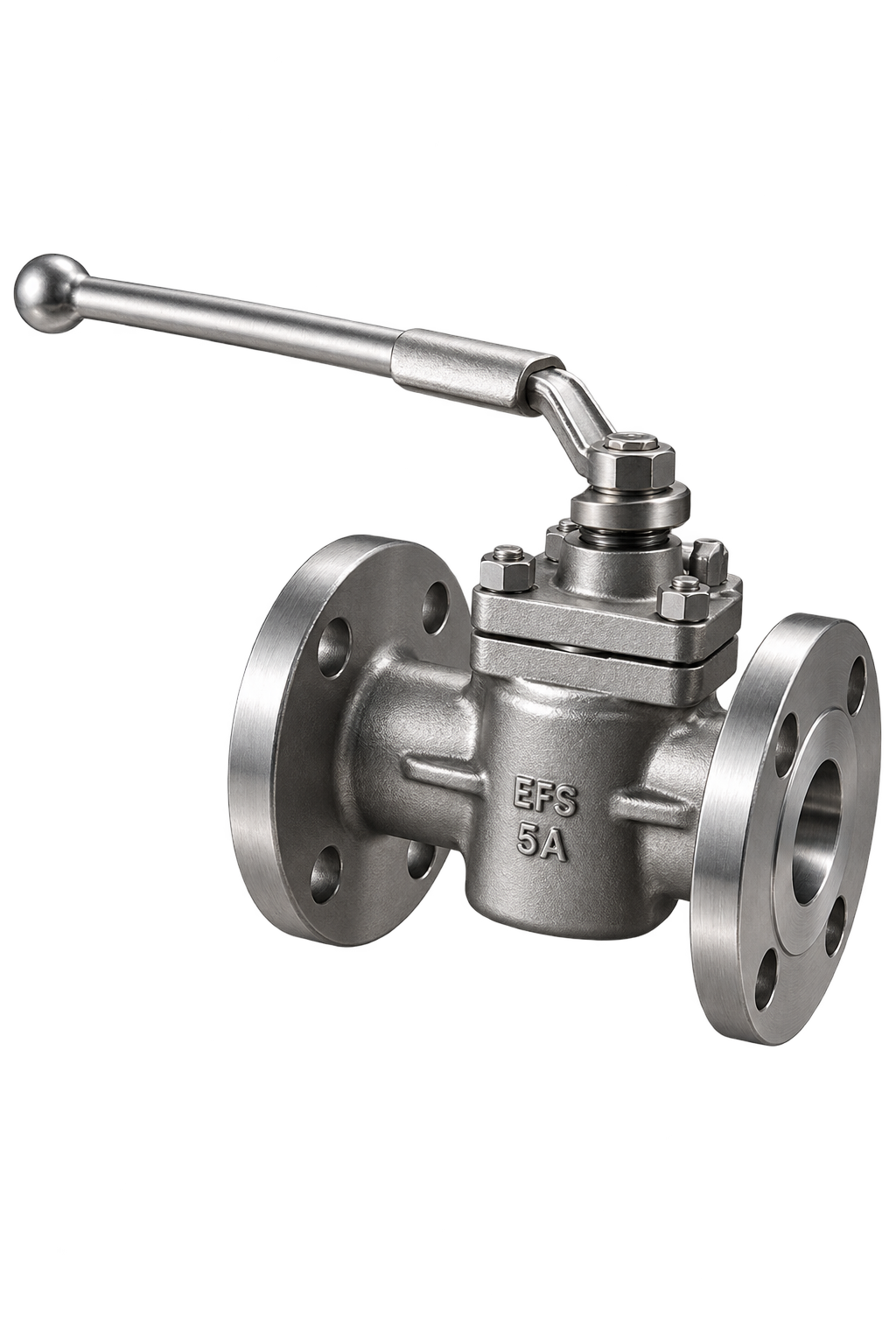
EF42 full bore flanged ball valve in corrosion-resistant alloy configuration

Applications

Configured Service Scope
Chemical Processing
Corrosive Service
Oil & Gas
Petrochemical
Seawater / Desalination
Water Treatment

Key Specifications

NOMINAL SIZES1/2” to 10”
PRESSURE RATINGSClass 150 to Class 1500
TEMPERATURE RANGE-29 °C to +200 °C
DESIGN STANDARDSASME B16.34
MATERIALSSuper Duplex / Hastelloy / Titanium
SEATRPTFE / PEEK
OPERATIONLever / gear / electric actuator / pneumatic actuator

Selection & RFQ Assistant

Help us identify the right solution
Guided request

Build a technical RFQ line with service data, sizing conditions, accessories and documents.

01
Service
02
Process
03
Options

FAQs

Yes. Super Duplex stainless steel is widely used in seawater, desalination and other chloride-rich environments because of its high resistance to localized corrosion compared with conventional austenitic stainless steels. For the EF42, Super Duplex can therefore be considered where a flanged ball valve is required for demanding seawater or desalination service. Final material selection should always consider the actual fluid, chloride concentration, temperature, pressure and project requirements.
Super Duplex should be considered when the expected chloride exposure, temperature or overall corrosion conditions require greater resistance to pitting and crevice corrosion than conventional 316L stainless steel can provide. This can be particularly relevant in seawater, desalination and other chloride-rich process environments. The final decision should be based on the complete service conditions and project requirements rather than on material grade alone.
Both Duplex and Super Duplex stainless steels provide improved corrosion resistance compared with conventional austenitic stainless steels. Super Duplex generally provides higher resistance to localized corrosion in demanding chloride environments and is therefore frequently considered for seawater and desalination applications where corrosion conditions are more severe. The appropriate grade should be selected according to the actual process conditions and applicable material requirements.
PREN, or Pitting Resistance Equivalent Number, is commonly used as an indicator when comparing the resistance of stainless steels to pitting corrosion, particularly in chloride-containing environments. For demanding seawater applications, Super Duplex grades with PREN values around or above 40 are commonly specified. PREN should nevertheless not be used as the only material-selection criterion. Actual material chemistry, temperature, chloride concentration and service conditions must also be considered.

ABOUT EF42

The EF42 flanged floating ball valve is a high-performance full bore isolation valve designed for corrosive and demanding industrial services where reliable shut-off, mechanical integrity and material compatibility are critical.

Its split body construction allows easier maintenance and inspection, while the floating ball design provides tight sealing performance under pressure. The full bore configuration helps minimize pressure drop and maintain high flow capacity, making the valve suitable for demanding process lines where flow efficiency is important.

The valve is available with RPTFE or PEEK seats, making it suitable for aggressive media, higher mechanical demand and applications requiring improved resistance compared with standard soft-seat configurations.

Designed according to major industrial valve standards such as ASME B16.34, with testing according to API 598 / API 6D, the EF42 can be supplied in a wide range of pressure classes and corrosion-resistant alloy configurations.

The design can include blow-out proof stem, anti-static device, locking device and fire-safe option, supporting safe operation in chemical, petrochemical, water treatment, desalination and other critical process applications.

Frequently Asked Questions

Yes. Super Duplex stainless steel is widely used in seawater, desalination and other chloride-rich environments because of its high resistance to localized corrosion compared with conventional austenitic stainless steels. For the EF42, Super Duplex can therefore be considered where a flanged ball valve is required for demanding seawater or desalination service. Final material selection should always consider the actual fluid, chloride concentration, temperature, pressure and project requirements.
Super Duplex should be considered when the expected chloride exposure, temperature or overall corrosion conditions require greater resistance to pitting and crevice corrosion than conventional 316L stainless steel can provide. This can be particularly relevant in seawater, desalination and other chloride-rich process environments. The final decision should be based on the complete service conditions and project requirements rather than on material grade alone.
Both Duplex and Super Duplex stainless steels provide improved corrosion resistance compared with conventional austenitic stainless steels. Super Duplex generally provides higher resistance to localized corrosion in demanding chloride environments and is therefore frequently considered for seawater and desalination applications where corrosion conditions are more severe. The appropriate grade should be selected according to the actual process conditions and applicable material requirements.
PREN, or Pitting Resistance Equivalent Number, is commonly used as an indicator when comparing the resistance of stainless steels to pitting corrosion, particularly in chloride-containing environments. For demanding seawater applications, Super Duplex grades with PREN values around or above 40 are commonly specified. PREN should nevertheless not be used as the only material-selection criterion. Actual material chemistry, temperature, chloride concentration and service conditions must also be considered.
An exotic or corrosion-resistant alloy should be considered when the process conditions exceed the corrosion resistance reasonably expected from conventional stainless steels. Factors such as fluid composition, concentration, chlorides, temperature and the specific corrosion mechanism can influence material selection. Depending on the application, materials such as Super Duplex, 904L or other corrosion-resistant alloys may therefore be evaluated for the EF42.
A full-bore ball valve provides a flow passage close to the nominal pipe diameter, helping to minimize pressure loss and restriction through the valve. This can be advantageous in water, desalination and process systems where hydraulic efficiency and unrestricted flow are important. The full-bore configuration also makes the valve suitable for applications where minimizing additional pressure drop across the isolation valve is desirable.
The EF42 is available in different ASME pressure classes, with the applicable configuration depending on valve size, material and project requirements. The required pressure class should be defined together with the design pressure and temperature so that the appropriate valve configuration can be selected.
RPTFE and PEEK offer different mechanical and temperature characteristics, so seat selection depends on the actual operating conditions. PEEK may be considered for more demanding pressure or temperature conditions, while RPTFE is commonly used across a broad range of industrial services. Final seat selection should consider pressure, temperature, fluid compatibility and the required valve performance.
The EF42 can be considered in different corrosion-resistant materials according to application requirements and manufacturing feasibility. Options may include Super Duplex, AISI 904L, Hastelloy and other special alloys, depending on size, pressure class and valve configuration. Material selection should be based on the actual process fluid, concentration where relevant, temperature, pressure and corrosion conditions.
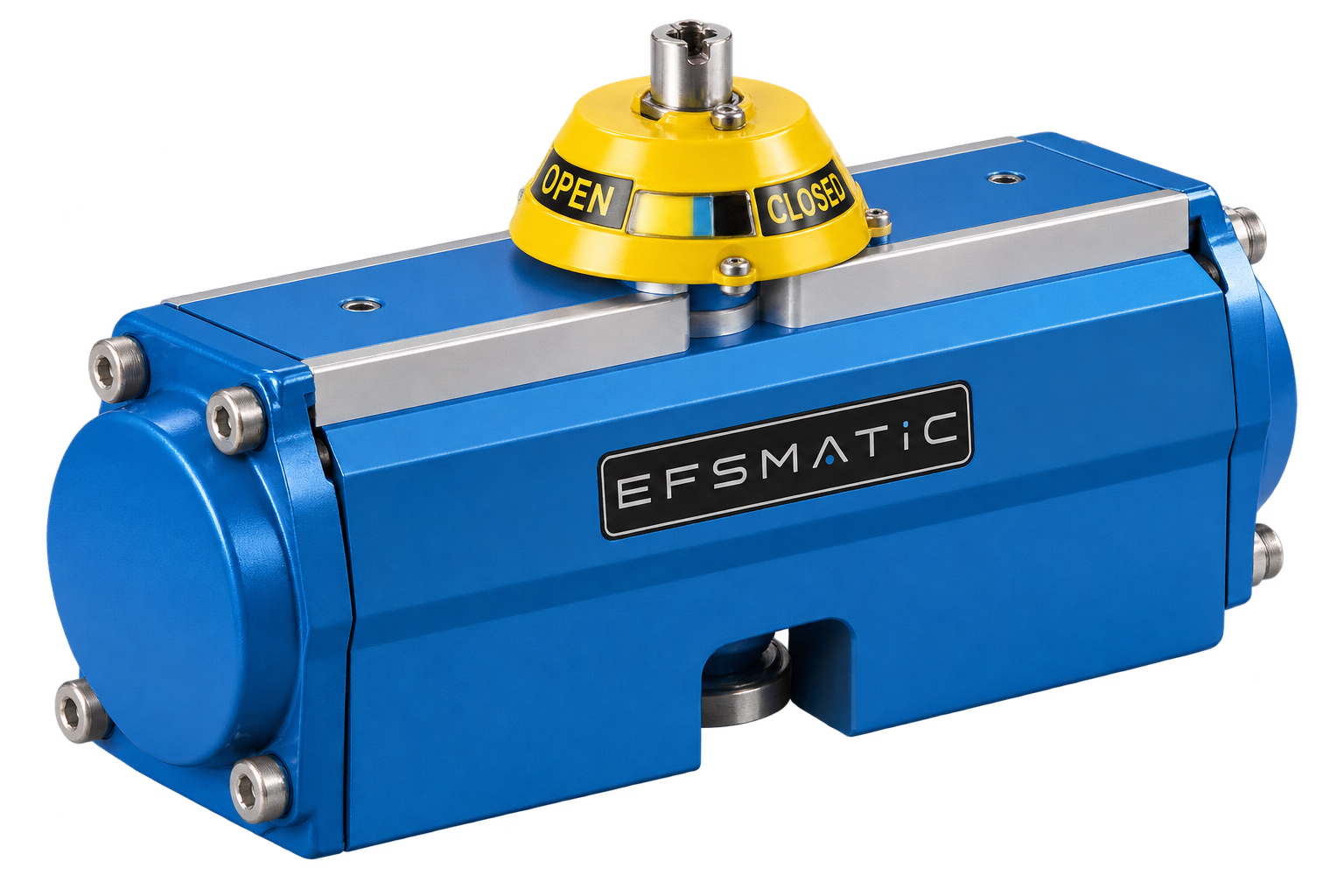
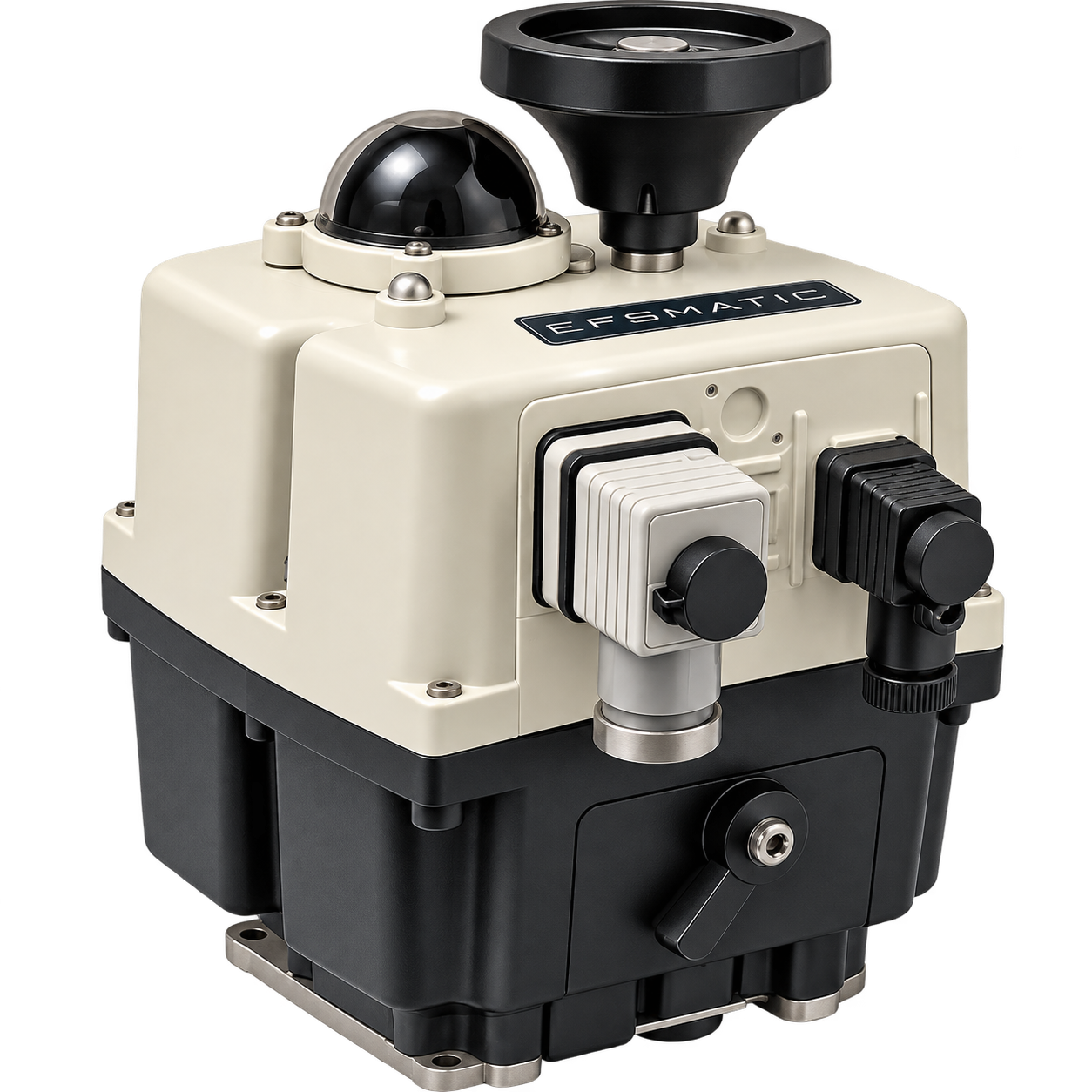
Yes. The EF42 can be configured for pneumatic or electric actuation where remote or automated operation is required. Actuator selection depends on valve size, operating pressure, required fail position, operating conditions and the control requirements of the installation. The complete automated configuration should therefore be defined for the specific application.
The main information normally required includes: - Process fluid - Fluid concentration or composition where relevant - Operating and design pressure - Operating and design temperature - Valve size - Required ASME pressure class - Material requirements - Seat requirements where specified - Manual or automated operation - Applicable project specifications For project applications, any inspection, testing and documentation requirements should also be identified during the RFQ stage.
Delivery time depends on the material, size, pressure class, quantity, valve configuration and project requirements. Standard configurations may have shorter availability, while special alloys, higher pressure classes or project-specific requirements can require additional manufacturing time. The applicable delivery time is confirmed with each quotation.
Yes. EFSVALVES can coordinate logistics and international delivery according to the agreed supply conditions and project requirements. The applicable logistics scope can include suitable export preparation, shipping documentation and coordination of international transport according to the agreed terms of supply.
Yes. Inspection and testing before delivery can be arranged when required as part of the agreed project scope. Customer or third-party inspection can also be considered according to the applicable project requirements. Specific inspection requirements should preferably be identified during the RFQ stage so that their scope can be evaluated and included in the quotation.
Yes. The EF42 can be supplied within EPC and project-managed environments where defined engineering, quality, inspection and documentation requirements apply. Depending on the agreed project scope, requirements may include data sheets and drawings, inspection and test documentation, material traceability, documentation schedules and coordination of project-specific technical requirements. These requirements should preferably be identified during the RFQ stage so that the applicable scope can be evaluated before order.
For project applications, the documentation and quality scope can be adapted to the agreed requirements. Depending on the specified scope, this may include: - Material certificates - PMI reports where required - Applicable NDT reports - Pressure test records - Inspection documentation - Data sheets and dimensional drawings - Material traceability documentation Any specific PMI, NDT, third-party inspection or additional traceability requirement should preferably be identified at RFQ stage so that its applicability and scope can be evaluated and agreed.