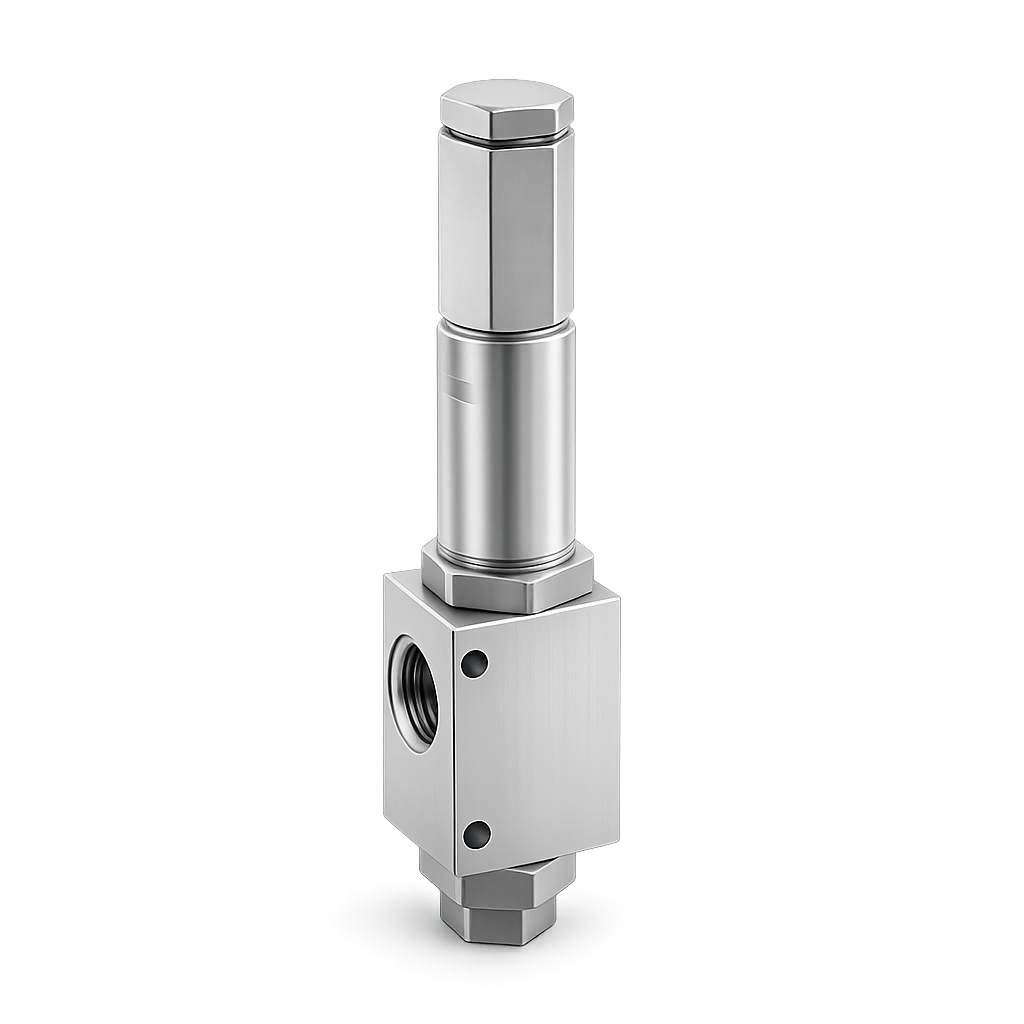
PTFE CONFIGURATION FOR PRESSURE SAFETY VALVES

MODEL PTFE
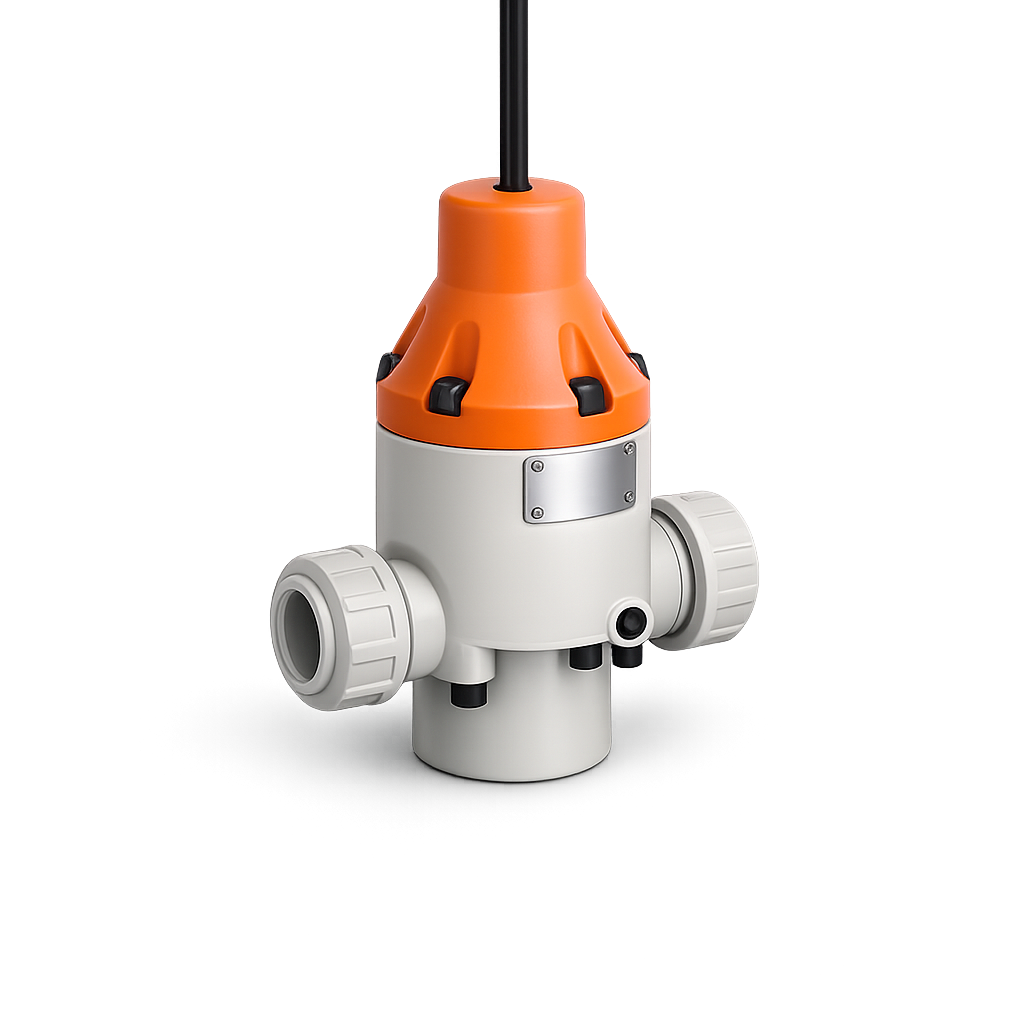
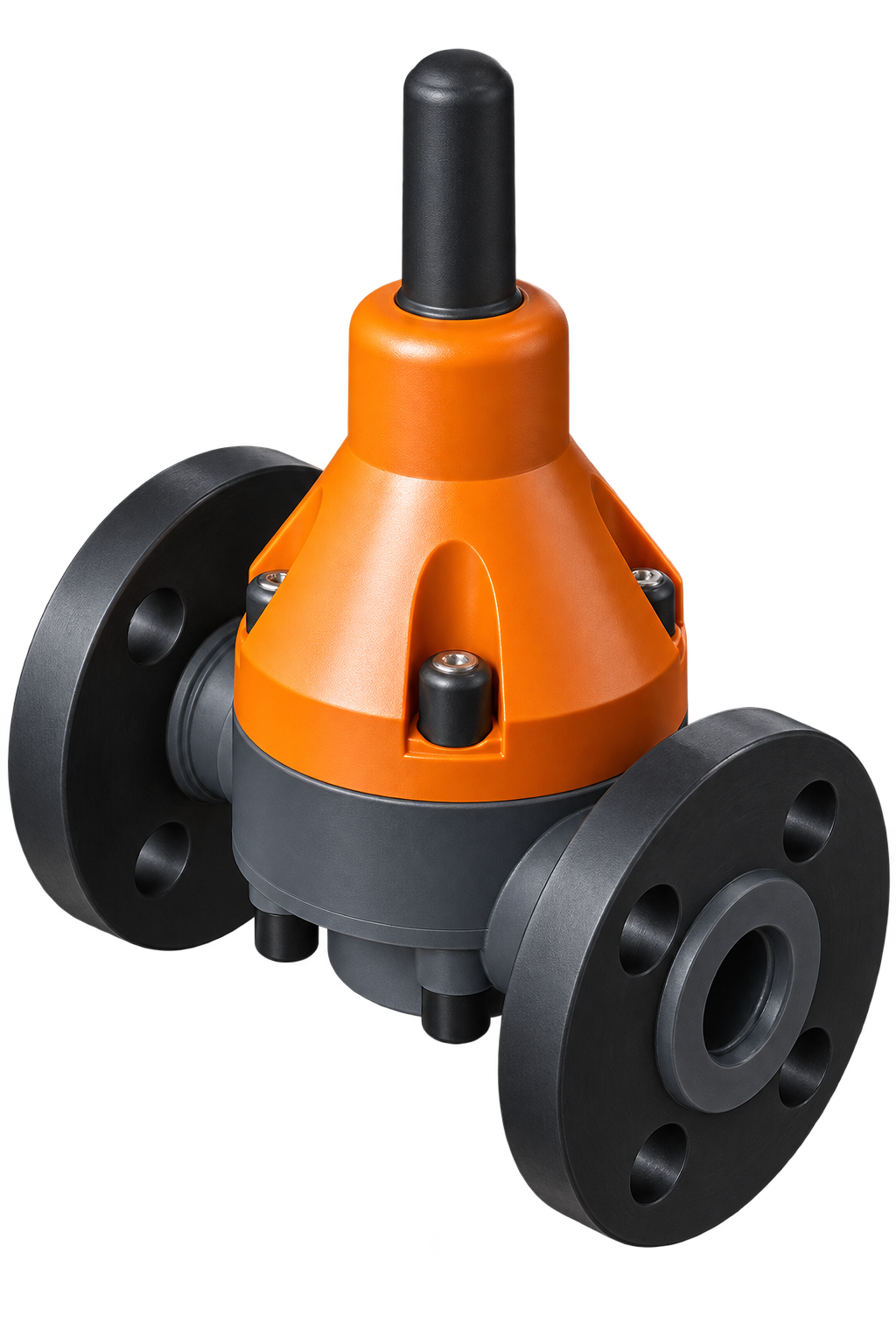
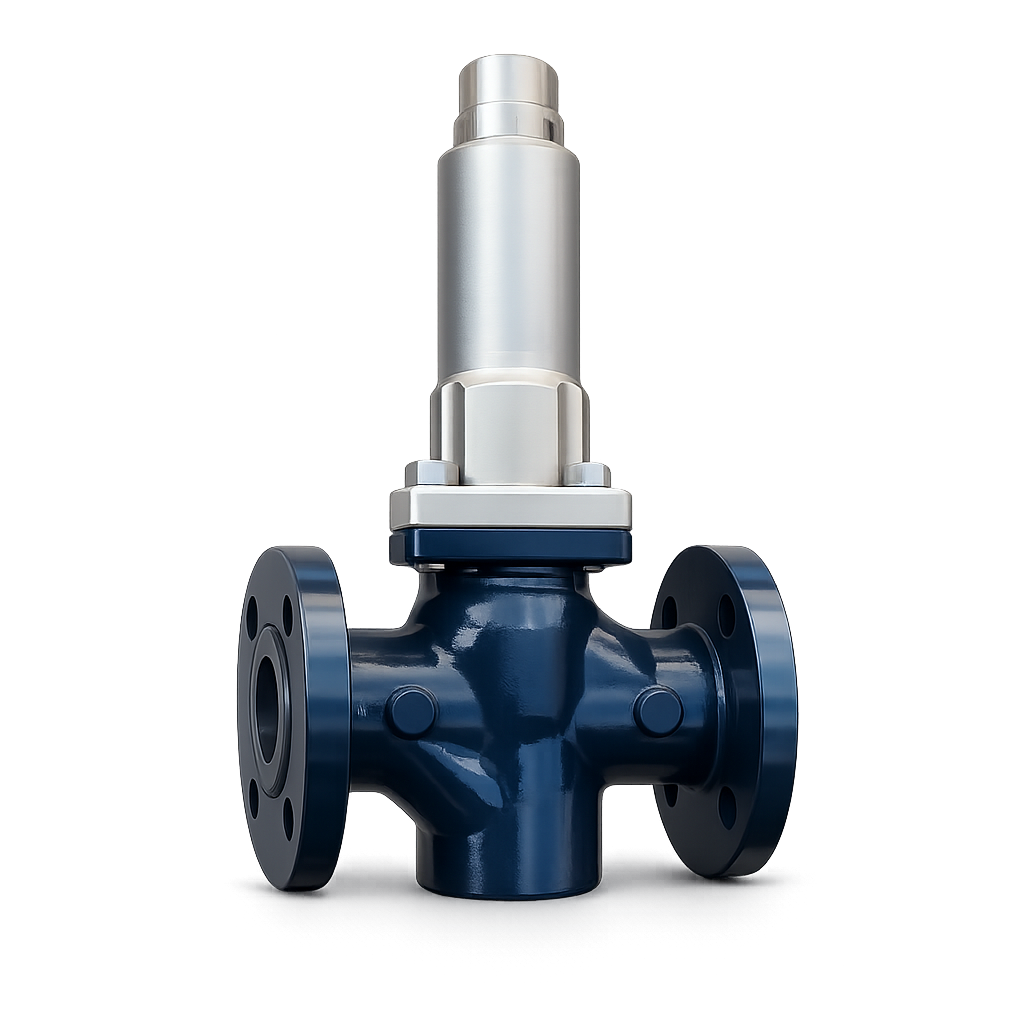
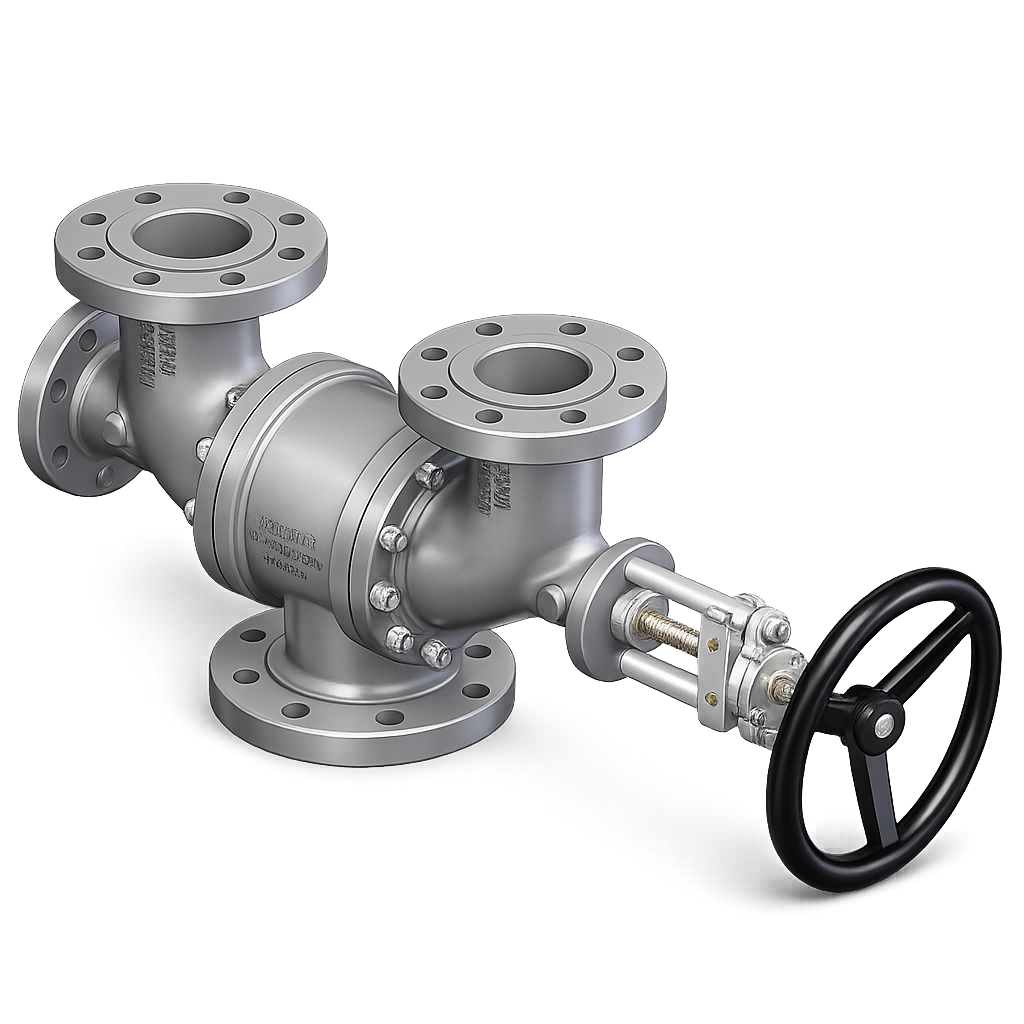
  • PTFE protection for EF1216, EF1400 and EF1415 PSV platforms
  • Lining, coating or selected PTFE trim according to service
  • For compatible corrosive chemicals and high-purity processes
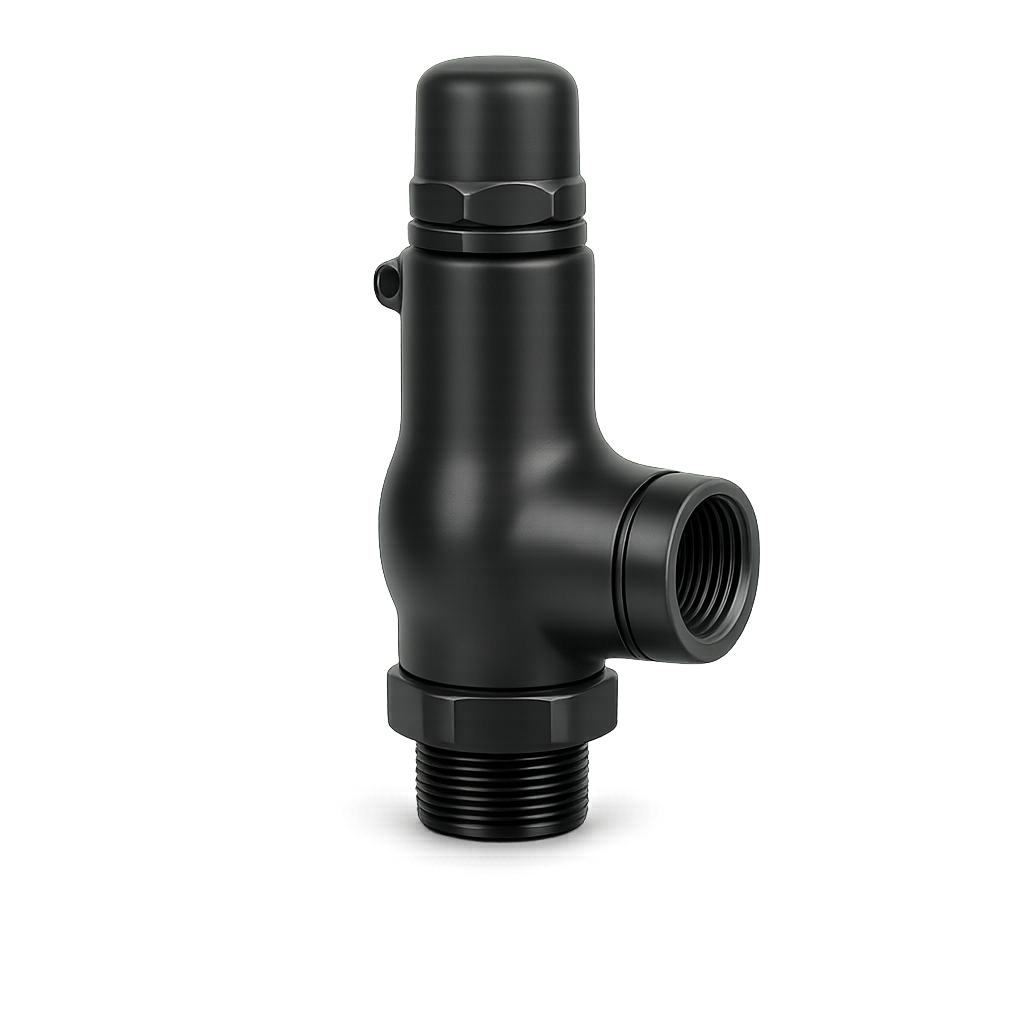
PTFE-configured pressure safety valve option for corrosive chemical service

Applications

Configured Service Scope
Chemical
Corrosive Service
Petrochemical
Water Treatment

Key Specifications

BASE VALVE PLATFORMSEF1216 / EF1400 / EF1415
PROTECTION CONCEPTPTFE lining, coating or selected PTFE trim
TYPICAL SERVICECorrosive chemicals, acid and caustic duty, high-purity processes
TEMPERATURE SCOPETypically up to around 200°C, depending on complete configuration
CONFIGURATION BASISProcess medium, concentration, pressure, temperature and exposure level
CONNECTIONSAccording to selected base valve and project standard

Selection & RFQ Assistant

Help us identify the right solution
Guided request

Build a technical RFQ line with service data, sizing conditions, accessories and documents.

01
Service
02
Process
03
Options

FAQs

The Model PTFE configuration is intended for overpressure protection in corrosive process conditions where standard metallic wetted surfaces require additional chemical protection. The appropriate execution depends on the process medium, pressure, temperature and exposure conditions.
A PTFE-configured valve uses PTFE protection on selected wetted areas or a more extensive protected configuration, depending on the application. This can improve chemical resistance and reduce product adhesion compared with an equivalent standard metallic execution.
PTFE, or polytetrafluoroethylene, is a fluoropolymer known for broad chemical resistance, a low-friction surface and non-stick behaviour. These properties can be useful in corrosive chemical and contamination-sensitive process applications.
Model PTFE valves can be considered for corrosive chemicals, including compatible acid and caustic services. Suitability must be checked for the specific chemical, concentration, temperature, pressure and complete valve configuration rather than assumed from PTFE compatibility alone.

ABOUT MODEL PTFE

Model PTFE is an engineered corrosion-protection configuration for EFSVALVES pressure safety valves used where standard metallic wetted surfaces need additional resistance to aggressive process media or reduced product adhesion.

The configuration is available on the EF1216, EF1400 and EF1415 platforms. The base valve is selected first from the required pressure range, size, connection standard, relieving capacity and project requirements. The PTFE protection can then be defined as lining, coating, selected PTFE trim or a more extensive protected execution according to the chemical exposure.

Typical duties include compatible acids, caustic solutions, corrosive chemicals and high-purity processes. Current product information indicates temperatures typically up to around 200°C, depending on the base valve, support materials and service. Final selection must confirm the chemical and concentration, set pressure, relieving capacity, temperatures, backpressure, protected surfaces and documentation requirements.

Frequently Asked Questions

The Model PTFE configuration is intended for overpressure protection in corrosive process conditions where standard metallic wetted surfaces require additional chemical protection. The appropriate execution depends on the process medium, pressure, temperature and exposure conditions.
A PTFE-configured valve uses PTFE protection on selected wetted areas or a more extensive protected configuration, depending on the application. This can improve chemical resistance and reduce product adhesion compared with an equivalent standard metallic execution.
PTFE, or polytetrafluoroethylene, is a fluoropolymer known for broad chemical resistance, a low-friction surface and non-stick behaviour. These properties can be useful in corrosive chemical and contamination-sensitive process applications.
Model PTFE valves can be considered for corrosive chemicals, including compatible acid and caustic services. Suitability must be checked for the specific chemical, concentration, temperature, pressure and complete valve configuration rather than assumed from PTFE compatibility alone.
Yes. High-purity processes are included in the published service scope. PTFE surface characteristics can help reduce product build-up, but the complete valve configuration and process requirements must be reviewed for each application.
PTFE protection can be applied to the EF1216, EF1400 and EF1415 pressure safety valve platforms, depending on pressure range, connection type, process medium and project conditions.
Yes. Depending on the application, the valve can use extensive PTFE protection or protection on selected wetted components. The exact exposed and protected surfaces must be confirmed for the required execution; the entire valve should not automatically be assumed to be made from or covered in PTFE.
PTFE coating and PTFE lining describe different protection methods and extents. The Model PTFE option can include lining, coating or selected PTFE trim depending on the base valve and required configuration, so these terms should not be treated as interchangeable when specifying the valve.
Current product information indicates that these configurations are generally intended for low to moderate temperatures, typically up to around 200°C, depending on the base valve, supporting materials and service conditions. The final limit must be confirmed for the complete configuration.
The configuration is engineered so that the selected base valve continues to perform its required pressure-relief function while providing the specified corrosion protection. Final sizing and configuration must still be based on the actual process data.
It can be considered when corrosive chemicals, contamination-sensitive service or product-adhesion concerns make a standard metallic execution less suitable. Final selection must consider the complete process conditions.
A PTFE-configured valve protects specified wetted areas with a fluoropolymer, while an exotic-alloy valve relies on the corrosion resistance of its metallic construction. The appropriate solution depends on chemical compatibility, temperature, pressure, mechanical requirements and the project specification.
The base platform should first be selected according to the pressure range, connection standard, valve size, required relieving capacity and project requirements. The required PTFE protection scope can then be defined from the process medium, temperature and level of chemical exposure.
Typical information includes the process chemical and concentration, set pressure, required relieving capacity, operating and relieving temperatures, backpressure where applicable, valve size and connection standard, preferred base platform if known, required PTFE protection scope and project documentation requirements.
Delivery time depends on the selected base valve, size and PTFE configuration. Special protected executions may require additional manufacturing time compared with standard valves.
Yes. Inspection and testing can be arranged before shipment according to the agreed project requirements.
Yes. Technical documentation, material certificates, configuration details and test reports can be supplied according to the agreed scope.
Yes. EFSVALVES can support export packaging, logistics coordination and international delivery according to the project requirements and agreed supply scope.
Yes. EFSVALVES can review the required PSV platform and PTFE protection scope against the process medium, sizing conditions, connections and installation requirements.
Yes. PTFE-configured EF1216, EF1400 or EF1415 valves can be considered for EPC and project-managed applications where the process medium, sizing conditions, base platform, protection scope, inspection and documentation requirements are defined during the RFQ stage.