PTFE LINED BALL VALVE

EF41
  • PTFE lined flanged ball valve for highly corrosive and aggressive media
  • Available from ½" to 12" (DN15–DN300) in DIN, ANSI and JIS flange standards
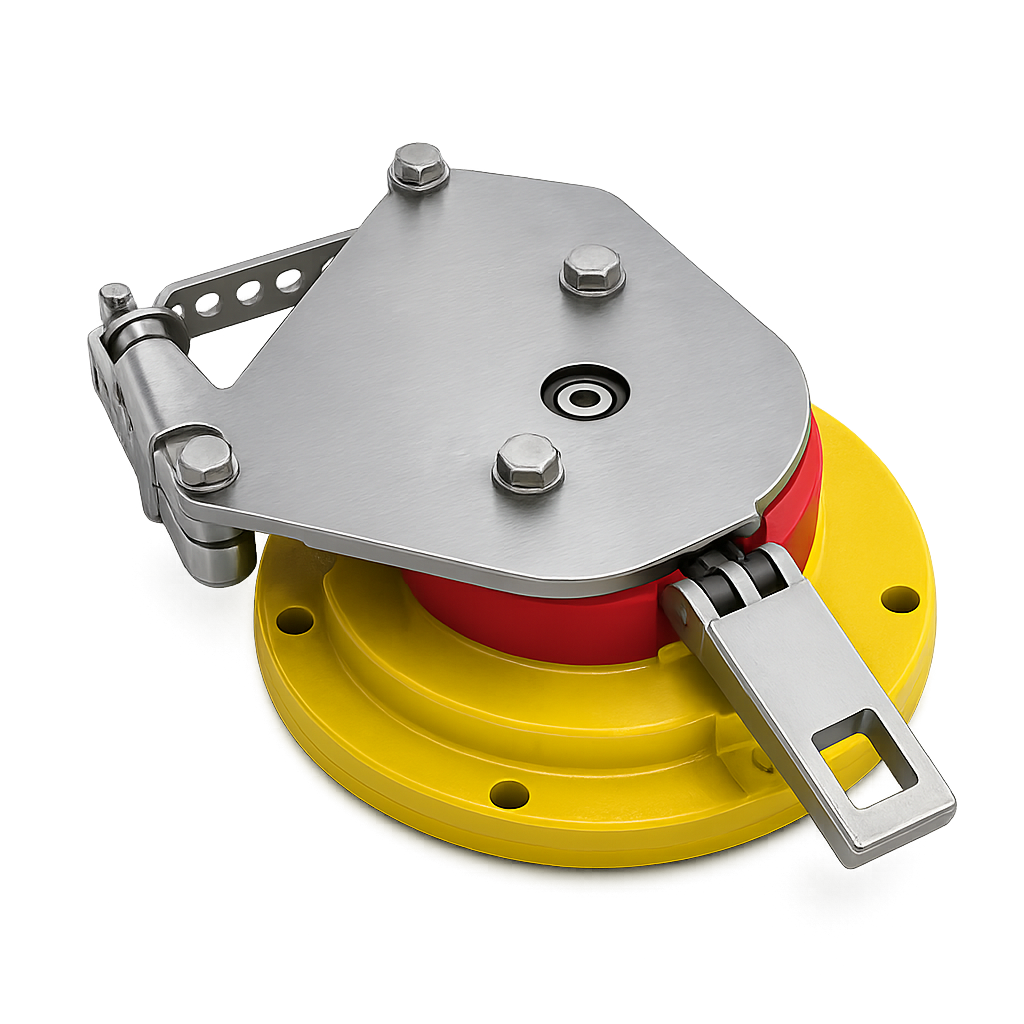
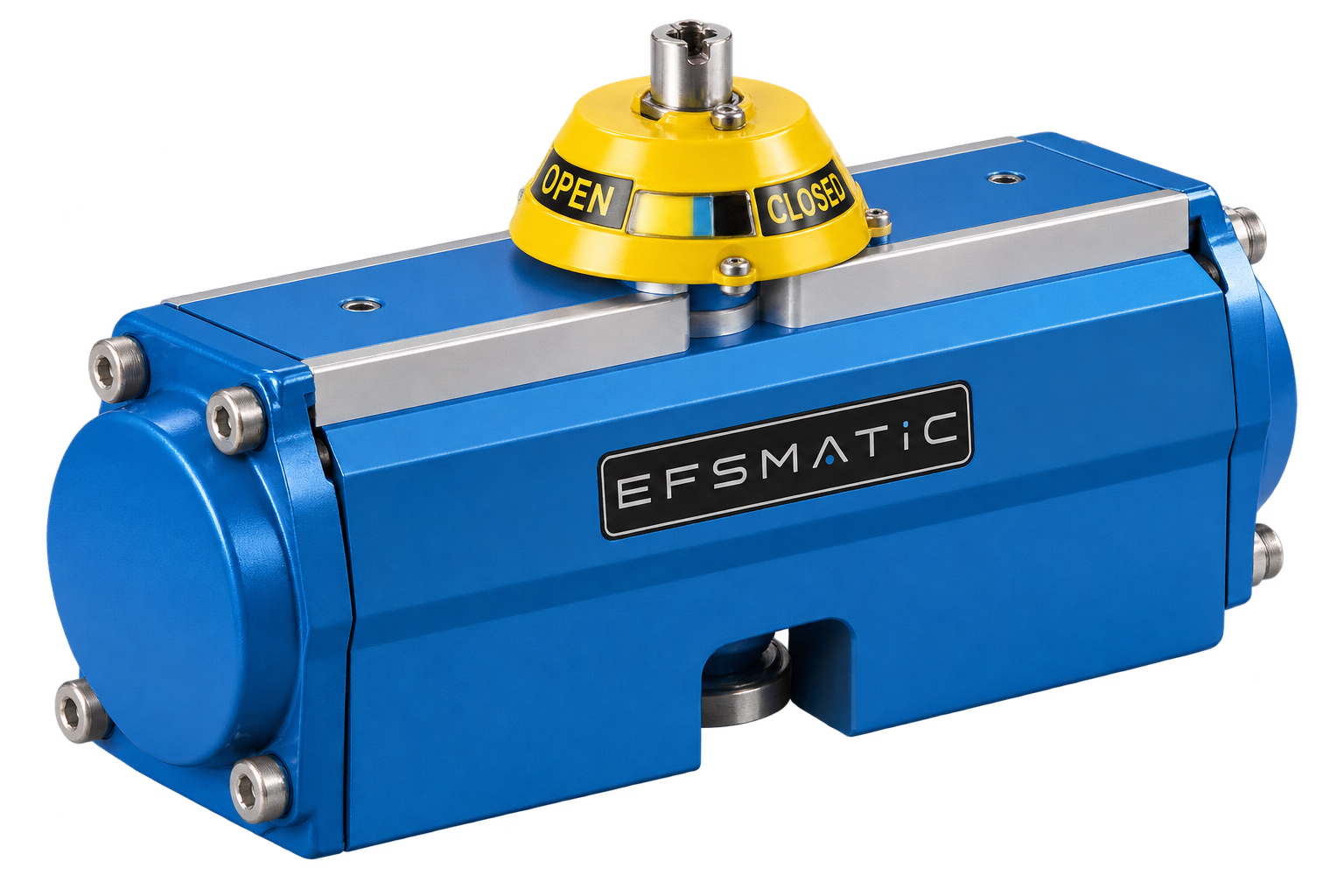
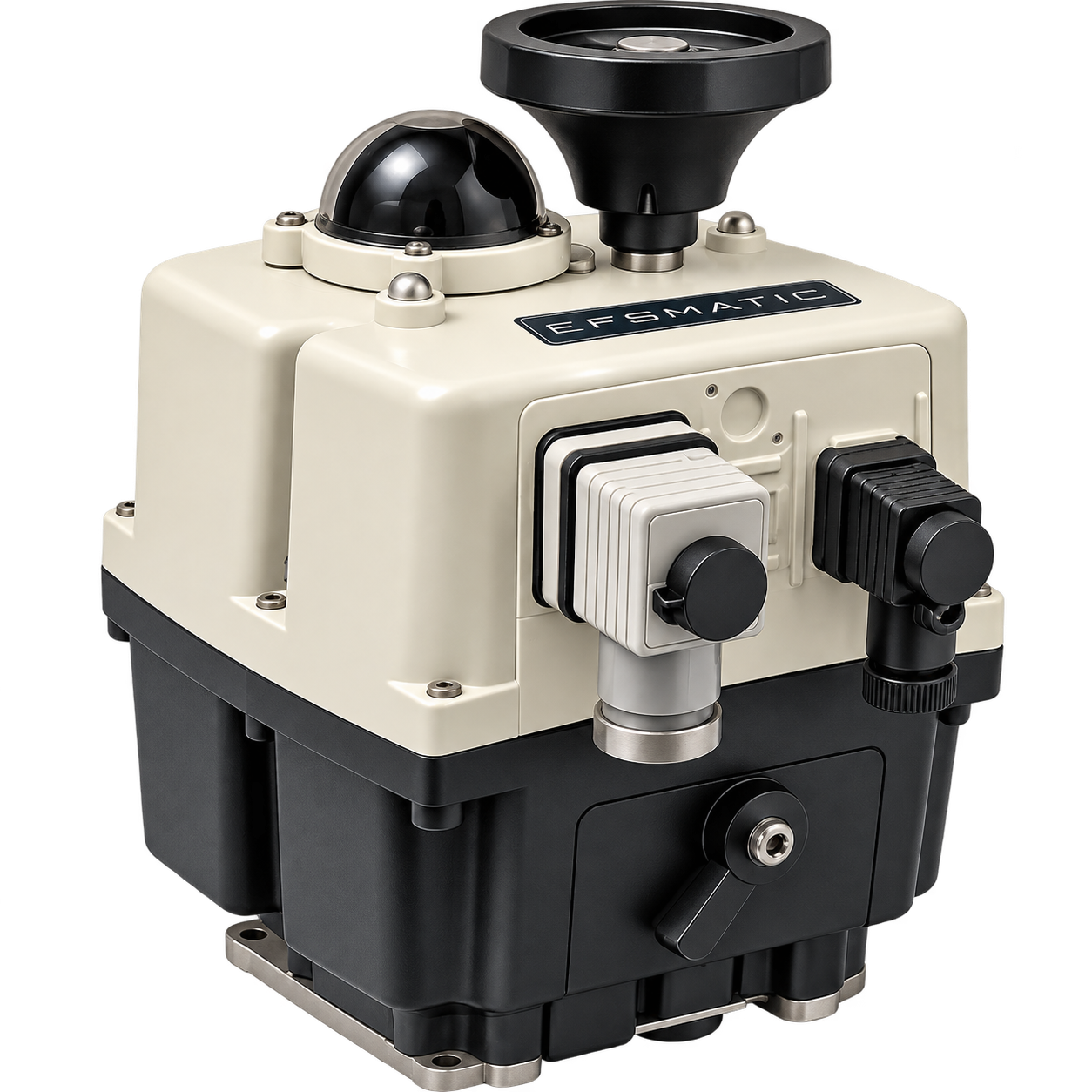
  • Ready for automation with lever, gearbox, pneumatic or electric actuation
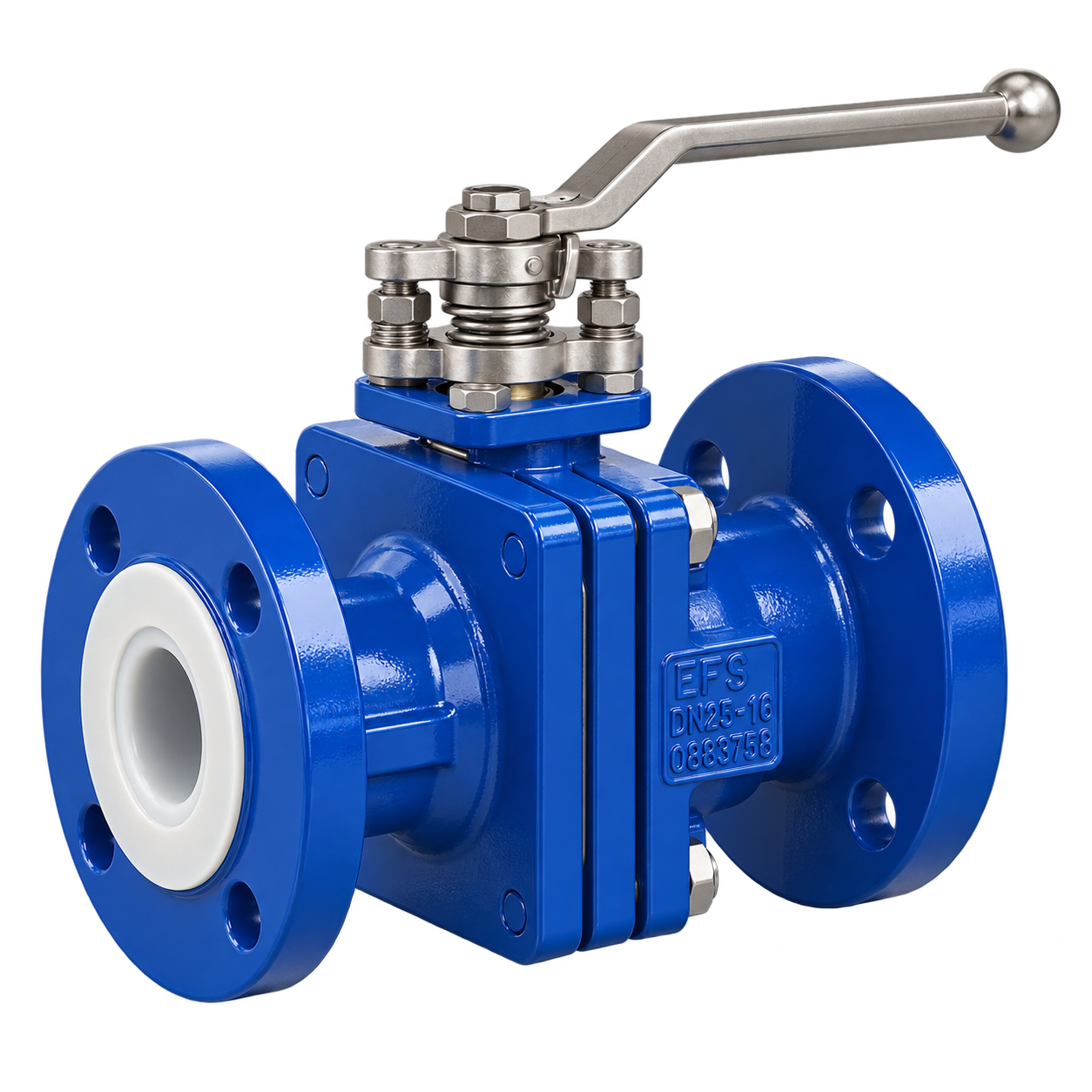
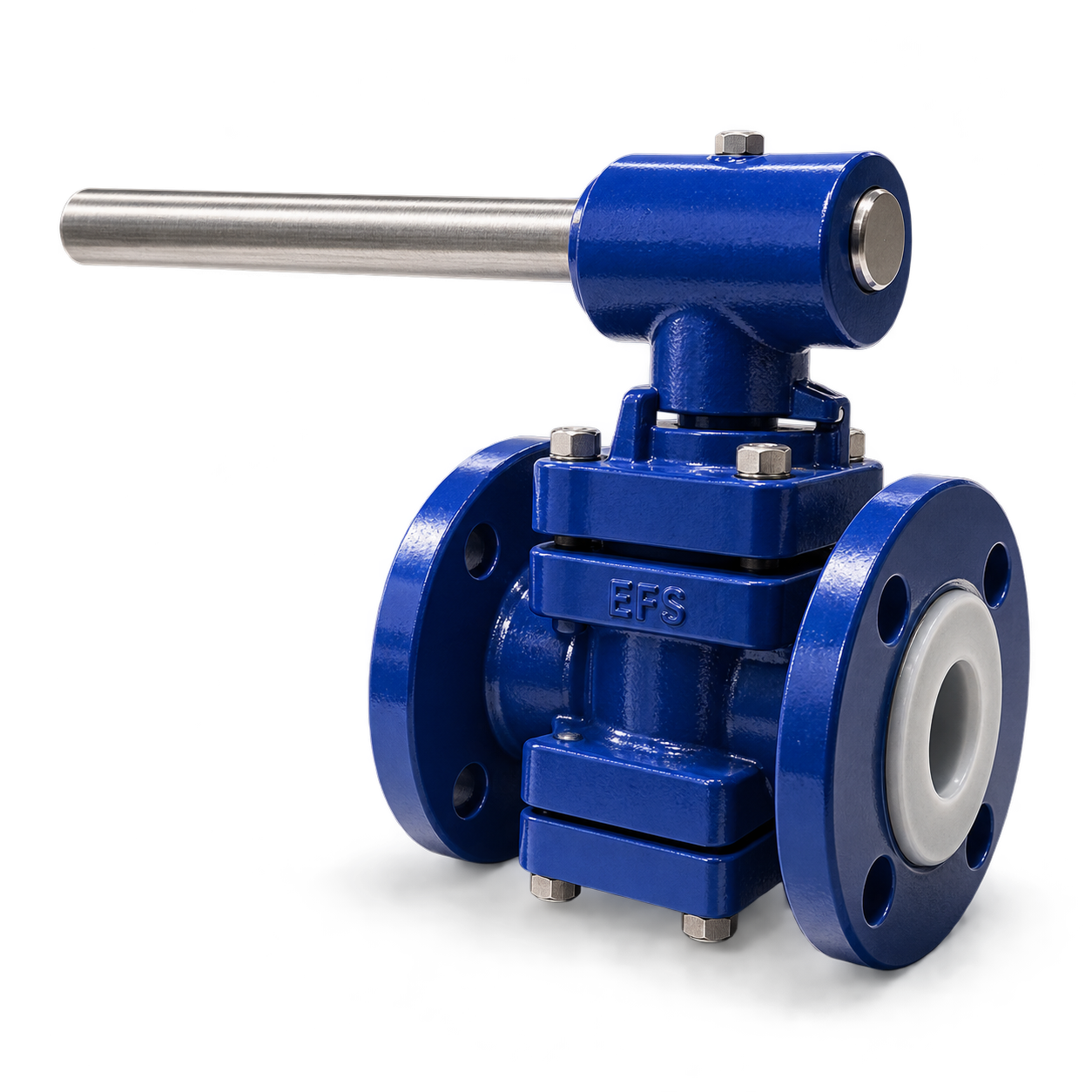
EF41 PTFE lined ball valve for corrosive chemical service

Applications

Configured Service Scope
Chemical
Chemical Processing
Corrosive Service
Petrochemical
Seawater / Desalination
Water Treatment

Key Specifications

NOMINAL SIZESDN15 to DN300 (½" to 12")
PRESSURE RATINGClass 150 / PN10–PN16
TEMPERATURE RANGE-20 °C to +200 °C
DESIGN STANDARDSAPI 608 / DIN 3357 / JIS B2071
BODY MATERIAL OPTIONSCarbon steel / Stainless steel
LINING OPTIONSPTFE / PFA / FEP / ETFE
OPERATOR TYPESLever / Gearbox / Pneumatic actuator / Electric actuator

Related Products

Selection & RFQ Assistant

Help us identify the right solution
Guided request

Build a technical RFQ line with service data, sizing conditions, accessories and documents.

01
Service
02
Process
03
Options

FAQs

A PTFE lined ball valve can be considered when the process fluid requires a level of chemical resistance that a conventional stainless steel valve may not provide economically or technically. The metallic body provides mechanical strength, while the fluoropolymer lining isolates the wetted metallic surfaces from the process fluid. Final selection should consider the specific chemical, concentration, temperature, pressure and operating conditions.
Yes. PTFE lined valves are widely used in corrosive chemical applications because PTFE provides resistance to a broad range of aggressive media. However, chemical compatibility must always be checked against the actual fluid, concentration, temperature and operating conditions. A general statement that a lining is suitable for every corrosive chemical should therefore be avoided.
PTFE lined ball valves can be suitable for many acid services because of the broad chemical resistance of PTFE. Suitability nevertheless depends on the specific acid, concentration, operating temperature, pressure and process conditions. For this reason, the process data should be reviewed before confirming the appropriate lining and valve configuration.
PTFE-lined construction can be considered for hydrochloric acid applications, but suitability should not be determined from the chemical name alone. The acid concentration, temperature, pressure and any additional components in the process fluid should be provided so that the proposed valve configuration can be evaluated for the actual service.

ABOUT EF41

The EF41 PTFE Lined Flanged Ball Valve is designed for highly corrosive and aggressive media, offering a cost-effective alternative to exotic alloys in demanding chemical and industrial environments. Featuring a full PTFE lining, the valve provides exceptional resistance against acids, chlorides and corrosive fluids while maintaining reliable shut-off performance and extended service life.

Available from DN15 to DN300 (½" to 12"), the EF41 can be supplied in ASME, DIN and JIS flange standards, with manual lever, gearbox, pneumatic or electric actuation options for seamless process integration. Its lightweight construction, combined with anti-static design, spark testing (14kV) and automation compatibility, makes it suitable for both manual and automated installations.

Engineered according to API 608, DIN 3357 and JIS B2071, the EF41 is commonly selected for chemical processing, water treatment, fertilizers, chlor-alkali and corrosive service applications where metallic valves may suffer premature degradation.

Frequently Asked Questions

A PTFE lined ball valve can be considered when the process fluid requires a level of chemical resistance that a conventional stainless steel valve may not provide economically or technically. The metallic body provides mechanical strength, while the fluoropolymer lining isolates the wetted metallic surfaces from the process fluid. Final selection should consider the specific chemical, concentration, temperature, pressure and operating conditions.
Yes. PTFE lined valves are widely used in corrosive chemical applications because PTFE provides resistance to a broad range of aggressive media. However, chemical compatibility must always be checked against the actual fluid, concentration, temperature and operating conditions. A general statement that a lining is suitable for every corrosive chemical should therefore be avoided.
PTFE lined ball valves can be suitable for many acid services because of the broad chemical resistance of PTFE. Suitability nevertheless depends on the specific acid, concentration, operating temperature, pressure and process conditions. For this reason, the process data should be reviewed before confirming the appropriate lining and valve configuration.
PTFE-lined construction can be considered for hydrochloric acid applications, but suitability should not be determined from the chemical name alone. The acid concentration, temperature, pressure and any additional components in the process fluid should be provided so that the proposed valve configuration can be evaluated for the actual service.
PTFE-lined valves can be considered for certain sulfuric acid applications, but the operating conditions are particularly important. Sulfuric acid concentration and temperature can significantly influence material compatibility, so these parameters should be provided before confirming the appropriate valve construction.
For some highly corrosive services, a fluoropolymer-lined valve can provide an alternative to a valve manufactured entirely from a high-alloy metallic material. The two solutions should not be considered automatically interchangeable. Selection depends on chemical compatibility, pressure, temperature, mechanical requirements, process conditions and project specifications. The appropriate solution should therefore be evaluated for each application.
A PTFE seated ball valve uses PTFE primarily in the seat or sealing elements, while significant metallic wetted surfaces may still remain exposed to the process fluid. In a PTFE lined ball valve, the lining is intended to provide a fluoropolymer barrier between the process medium and the applicable internal metallic surfaces. This distinction can be important when selecting a valve for highly corrosive chemical service.
Fluoropolymer lined valves combine the mechanical strength of a metallic valve body with the chemical resistance of the internal lining. This makes them particularly useful where process fluids are highly corrosive and direct contact with conventional metallic wetted surfaces is undesirable. Their suitability must still be evaluated against the actual chemical, temperature, pressure and operating conditions.
The integrity of the fluoropolymer lining can be verified using appropriate inspection methods as part of the manufacturing and quality process. For the EF41, spark testing of the lining can be used to check for discontinuities where applicable. Any particular inspection or testing requirements should be identified during the RFQ or project stage.
The EF41 can be considered with different fluoropolymer lining solutions according to the application and available valve configuration. The appropriate lining should be selected according to chemical compatibility, concentration, temperature, pressure and process requirements. Where a specific lining material such as PTFE or PFA is required by the project, this should be indicated in the RFQ.
Ball valves are primarily selected for on-off isolation service. If continuous throttling or flow-control duty is required, this should be clearly identified during valve selection because the operating conditions and required control function may affect the suitability of the valve configuration. The intended operating duty should therefore be specified at RFQ stage.
Yes. The EF41 can be configured for automated operation where required. The actuator and accessory configuration should be selected according to valve size, operating conditions, required fail position and the control requirements of the installation.
The main information normally required includes: - Process fluid - Chemical concentration or composition - Operating and design pressure - Operating and design temperature - Valve size - Required connections or pressure class - Required lining material, if specified - Manual or automated operation - Intended operating duty - Applicable project specifications For corrosive chemical applications, fluid composition, concentration and temperature are particularly important for evaluating lining compatibility.
Delivery time depends on valve size, quantity, lining configuration and project requirements. Special configurations, project-specific testing or documentation requirements may affect the applicable manufacturing lead time. The delivery time is confirmed for each quotation.
Yes. EFSVALVES can coordinate logistics and international delivery according to the agreed supply conditions and project requirements. Inspection before delivery can also be arranged when it forms part of the agreed scope, including customer or third-party inspection where required. Specific inspection requirements should preferably be identified during the RFQ stage.
Yes. The EF41 can be supplied within EPC and project-managed environments where defined engineering, quality, inspection and documentation requirements apply. Depending on the agreed scope, project requirements may include data sheets and drawings, inspection and test documentation, documentation schedules and coordination of project-specific technical requirements. These requirements should preferably be identified at RFQ stage so that their applicability and scope can be evaluated before order.
For project applications, the documentation and inspection scope can be adapted to the agreed requirements. Depending on the specified scope, this may include: - Material documentation - Pressure test records - Lining inspection or test records where applicable - Inspection documentation - Data sheets - Dimensional drawings - Other agreed project documentation Any specific third-party inspection, lining verification or additional project documentation requirements should preferably be identified during the RFQ stage.