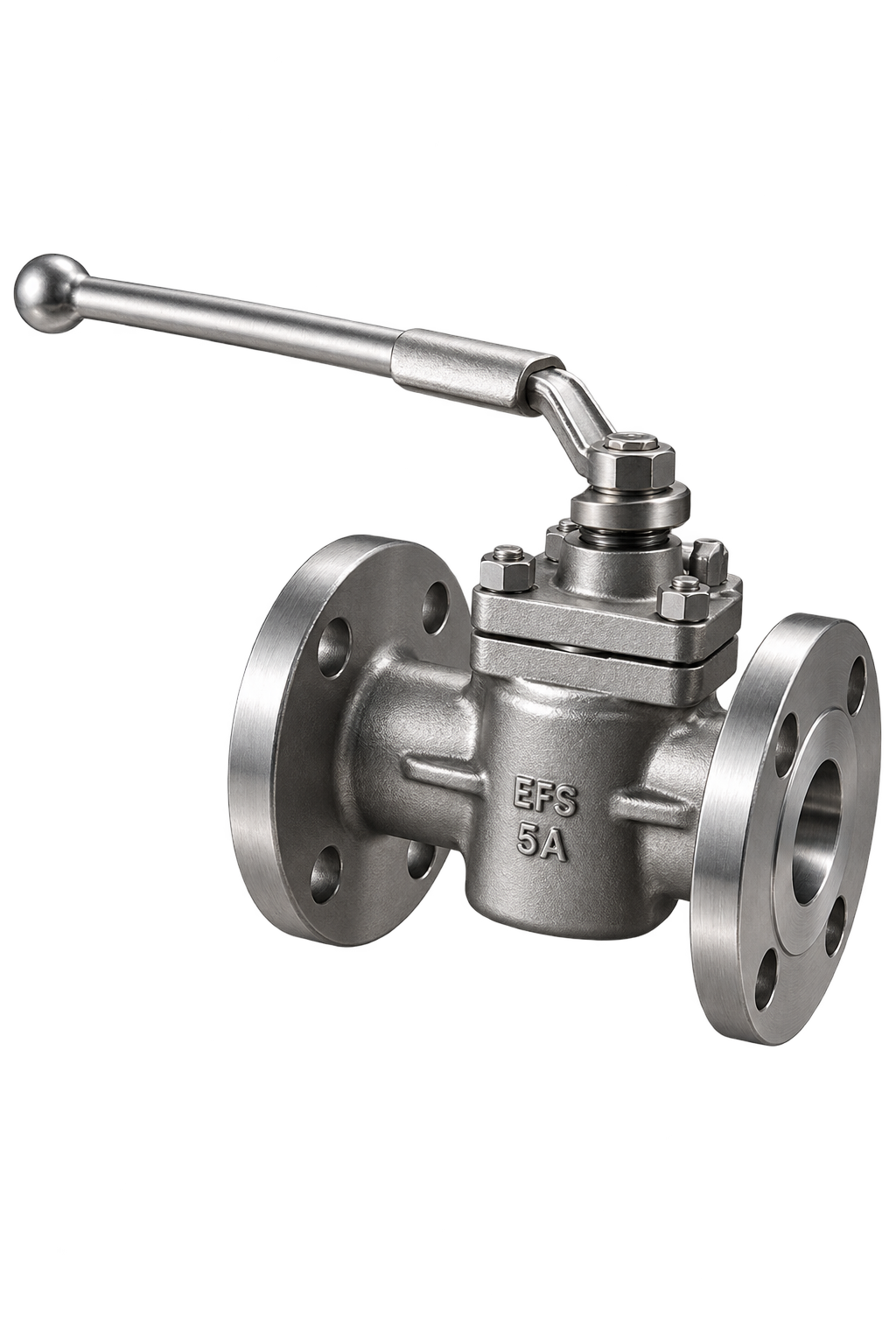
PTFE LINED PLUG VALVE

EF51
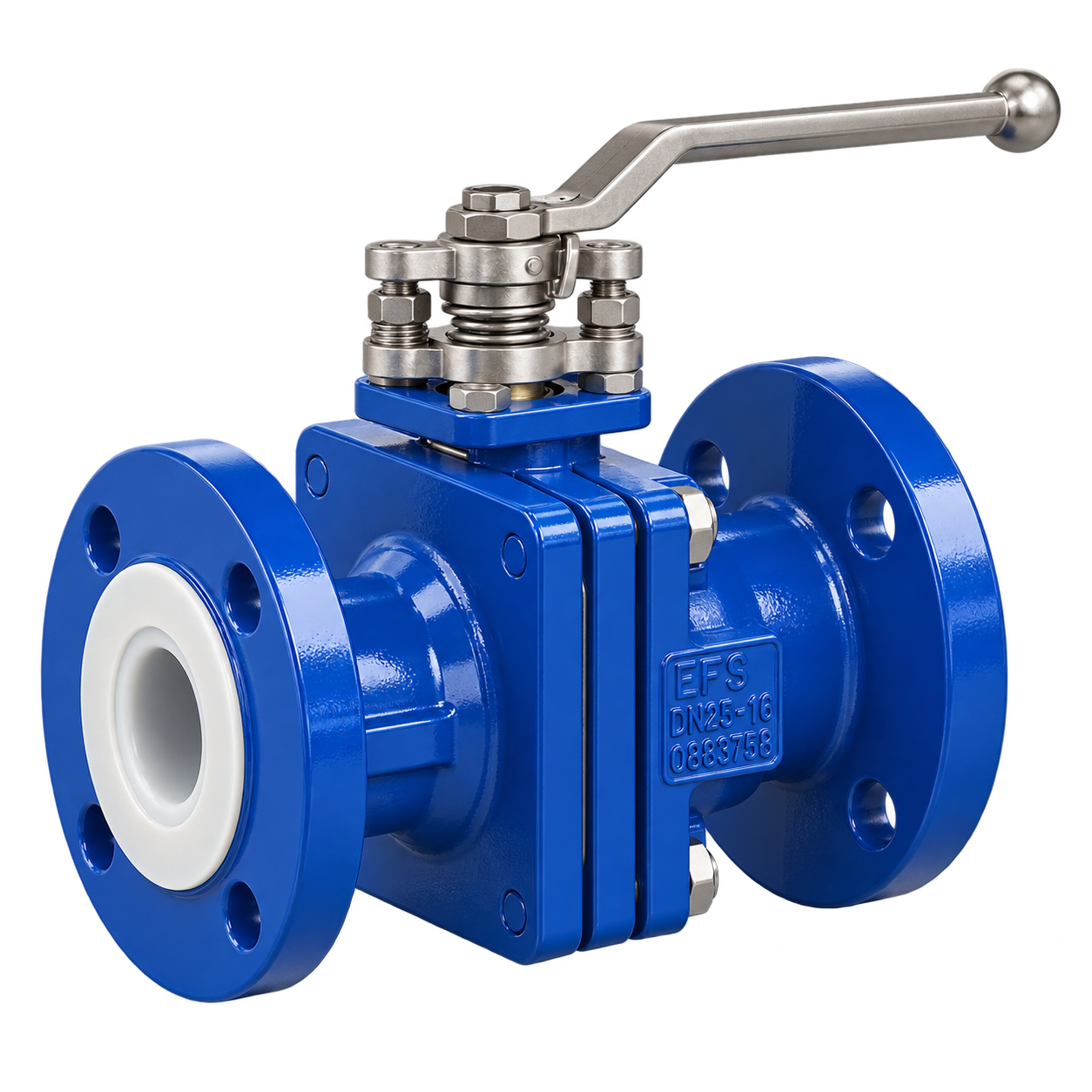
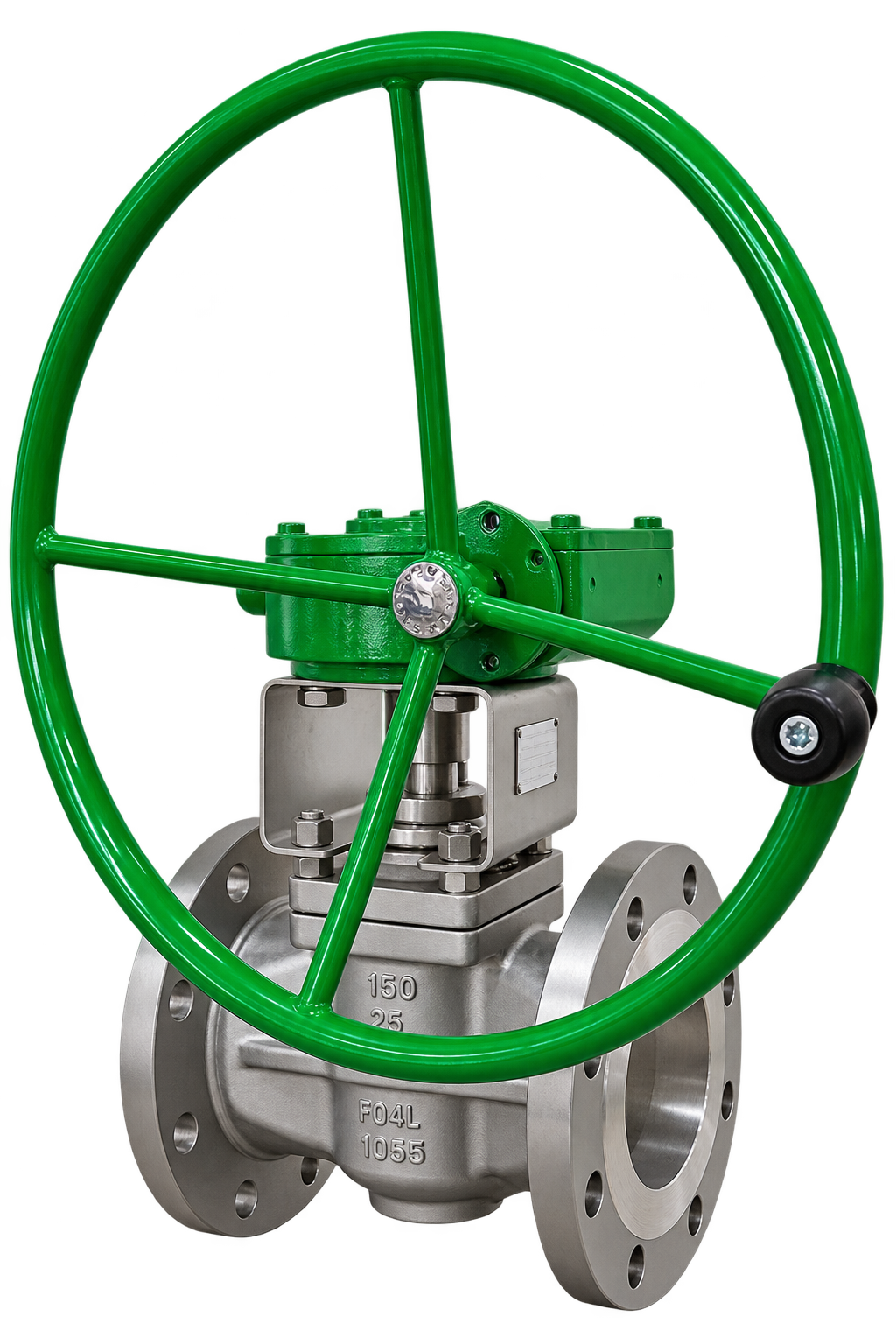
  • PTFE lined flanged plug valve for corrosive and aggressive process media
  • DN15 to DN300 (1/2" to 12") with ASME Class 150, DIN PN10 and JIS 10K flanges
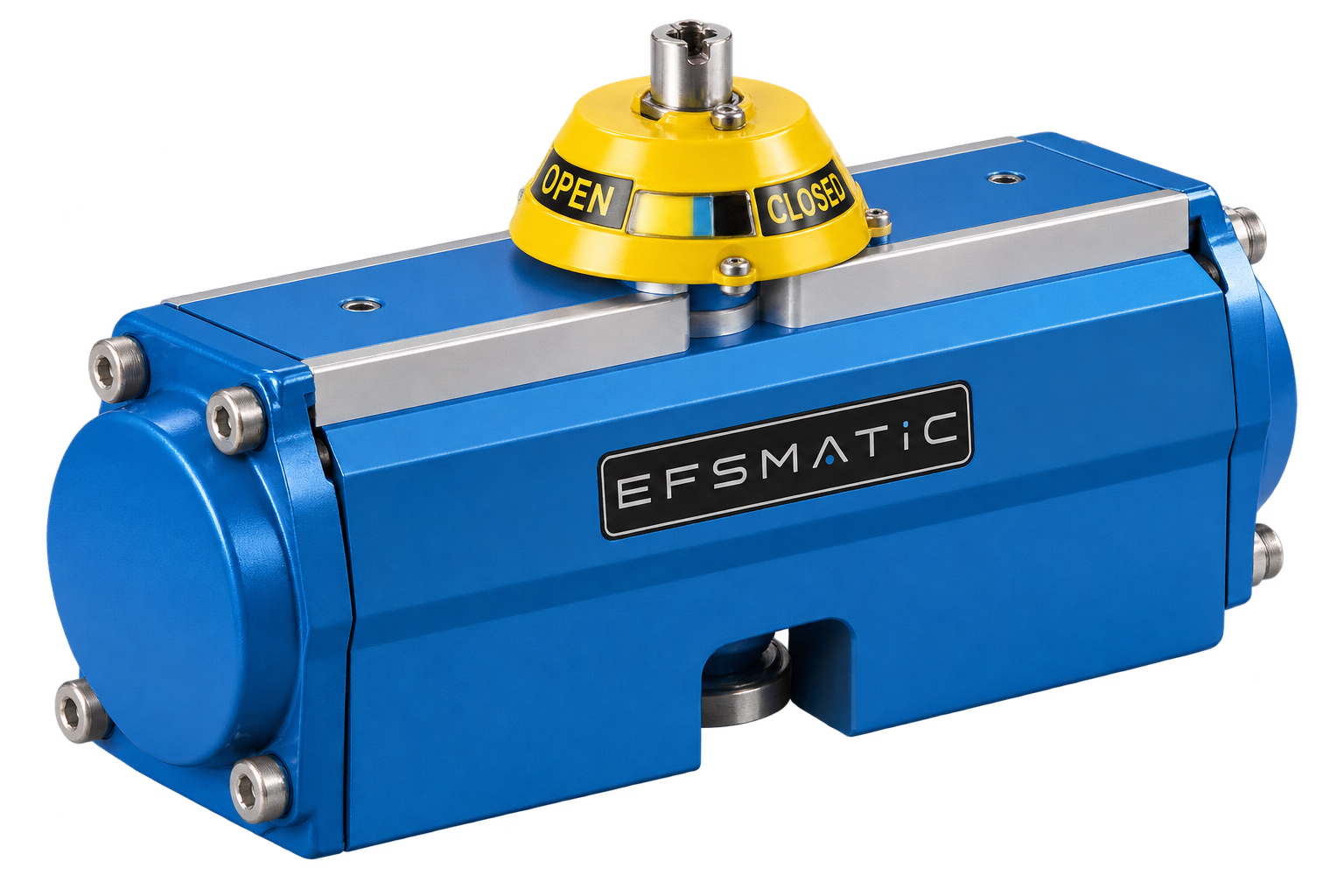
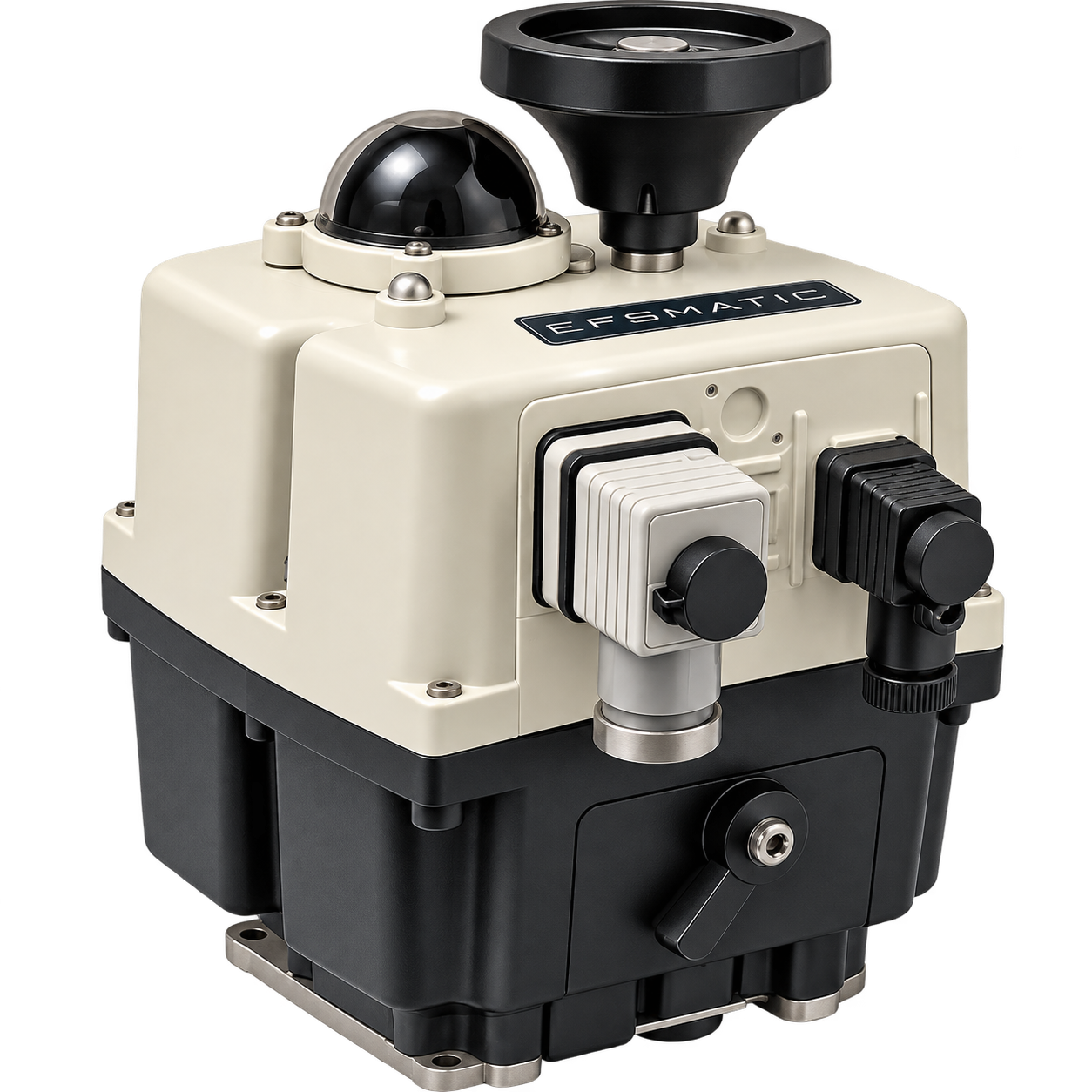
  • Quarter-turn operation by lever, gear, pneumatic actuator or electric actuator
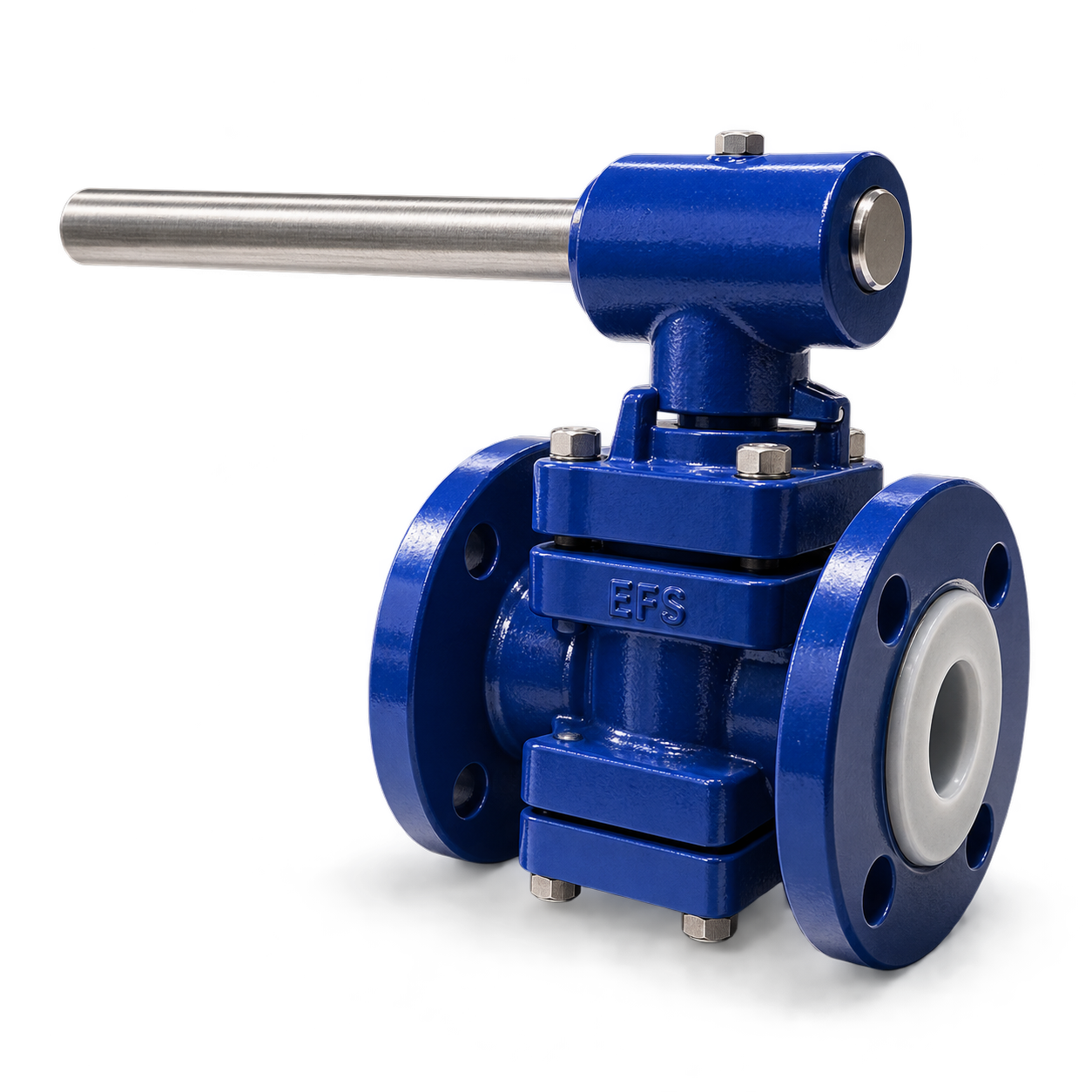
EF51 PTFE lined flanged plug valve

Applications

Configured Service Scope
Chemical
Chemical Processing
Corrosive Service
Petrochemical
Seawater / Desalination
Water Treatment

Key Specifications

NOMINAL SIZESDN15 to DN300 (1/2" to 12")
WORKING PRESSURE0.1 mbar to 16 bar
TEMPERATURE RANGEApprox. -20 °C to +200 °C, depending on working conditions
DESIGN STANDARDAPI 599
FLANGE OPTIONSASME B16.5 Class 150 / DIN 2532 PN10 / JIS B2212 10K
FACE-TO-FACEASME B16.10 / DIN 3202 / JIS B2002
BODY MATERIAL OPTIONSCarbon steel / Stainless steel
LINING OPTIONSPTFE / PFA / FEP / ETFE
OPERATOR TYPESLever / Gear / Pneumatic actuator / Electric actuator
LINING INSPECTION14 kV spark testing

Selection & RFQ Assistant

Help us identify the right solution
Guided request

Build a technical RFQ line with service data, sizing conditions, accessories and documents.

01
Service
02
Process
03
Options

FAQs

A PTFE lined valve uses a more substantial fluoropolymer barrier intended to isolate the applicable metallic surfaces from the process medium. A PTFE coated valve uses a thinner protective coating applied to selected surfaces. They are not equivalent constructions. The correct solution depends on the chemical, concentration, temperature, pressure and required level of corrosion protection.
PTFE, PFA, FEP and ETFE are different fluoropolymers with different chemical, temperature and mechanical characteristics. The EF51 can be supplied with PTFE, PFA, FEP or ETFE lining, depending on the required configuration. The correct lining should therefore be selected according to the actual process fluid, concentration, temperature, pressure and operating conditions.
Both valve types can provide quarter-turn isolation with a fluoropolymer barrier for corrosive service, but they use different internal valve geometries. The correct choice should consider the process medium, operating conditions, piping specification, actuation requirements and project preference.
A lined plug valve such as the EF51 uses a fluoropolymer-lined flow path to provide a chemical barrier between the process medium and the applicable metallic surfaces. A sleeve-type plug valve uses a PTFE sleeve as part of the sealing system around the plug. They are different constructions and should be selected according to the required chemical resistance, sealing arrangement, pressure class and process conditions.

ABOUT EF51

The EF51 PTFE Lined Plug Valve is a flanged quarter-turn isolation valve for corrosive and aggressive process media. Its metallic pressure-retaining body is combined with a fluoropolymer-lined flow path, providing a cost-effective alternative where conventional metallic wetted surfaces may not offer adequate chemical resistance.

The EF51 is available from DN15 to DN300 (1/2" to 12"), with ASME Class 150, DIN PN10 and JIS 10K flange configurations. Body options include carbon steel and stainless steel, with PTFE, PFA, FEP or ETFE lining selected according to the actual fluid, concentration, temperature and pressure.

Designed to API 599, the valve can be supplied with lever, gear, pneumatic or electric operation. Spark testing at 14 kV is available for lining integrity verification, while the complete valve and actuator configuration should be selected from the required operating conditions and project specification.

Frequently Asked Questions

A PTFE lined valve uses a more substantial fluoropolymer barrier intended to isolate the applicable metallic surfaces from the process medium. A PTFE coated valve uses a thinner protective coating applied to selected surfaces. They are not equivalent constructions. The correct solution depends on the chemical, concentration, temperature, pressure and required level of corrosion protection.
PTFE, PFA, FEP and ETFE are different fluoropolymers with different chemical, temperature and mechanical characteristics. The EF51 can be supplied with PTFE, PFA, FEP or ETFE lining, depending on the required configuration. The correct lining should therefore be selected according to the actual process fluid, concentration, temperature, pressure and operating conditions.
Both valve types can provide quarter-turn isolation with a fluoropolymer barrier for corrosive service, but they use different internal valve geometries. The correct choice should consider the process medium, operating conditions, piping specification, actuation requirements and project preference.
A lined plug valve such as the EF51 uses a fluoropolymer-lined flow path to provide a chemical barrier between the process medium and the applicable metallic surfaces. A sleeve-type plug valve uses a PTFE sleeve as part of the sealing system around the plug. They are different constructions and should be selected according to the required chemical resistance, sealing arrangement, pressure class and process conditions.
A lined plug valve can be considered where a fluoropolymer barrier provides suitable chemical compatibility while the metallic body provides the required structural strength. An exotic-alloy valve relies instead on the corrosion resistance of the metallic wetted construction itself. The appropriate solution depends on chemical compatibility, concentration, temperature, pressure, mechanical requirements and project specification.
Delivery time depends on the selected size, body material, lining material, flange standard, operator or actuator and project requirements. Special lining, automation, inspection or documentation requirements may require additional manufacturing time.
Yes. Inspection and testing requirements can be defined according to the agreed project scope. The EF51 includes 14 kV spark testing for lining integrity verification, and any additional inspection, witnessing or acceptance requirements should be specified during the RFQ stage.
Yes. Technical documentation, inspection records and applicable material or test documentation can be supplied according to the agreed project scope. Specific documentation requirements should preferably be defined during the RFQ stage.
Yes. EFSVALVES can coordinate export packaging, documentation, logistics and international delivery according to the agreed supply scope.
Yes. The EF51 can be considered for EPC and project-managed applications where process conditions, body and lining materials, flange requirements, actuation, inspection and documentation requirements are defined during the RFQ stage. Final valve and actuator selection should be confirmed against the actual process data and project specification.