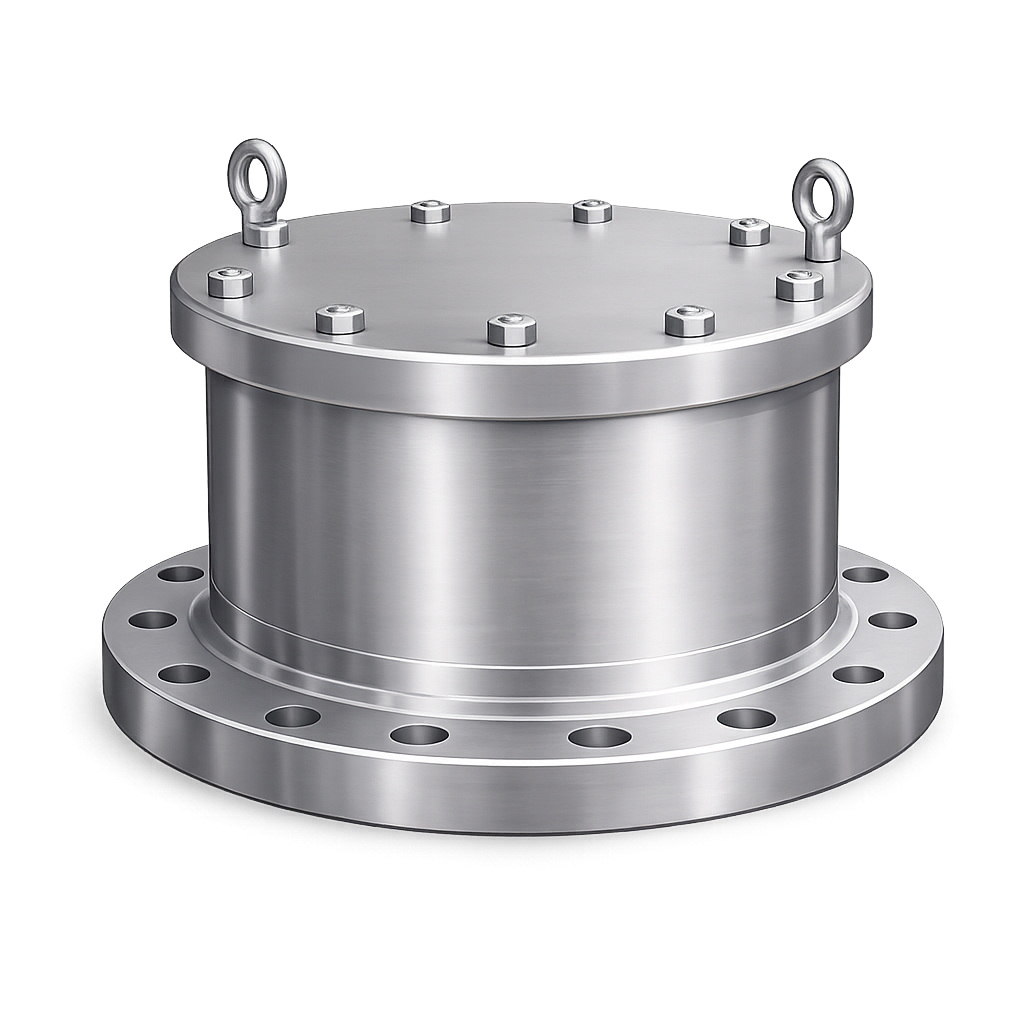
LOW-PRESSURE SAFETY VALVE

EF1400LP
  • Designed for low-pressure systems from 5 to 200 mbar
  • High-capacity flanged design for large flow applications
  • Reliable protection for tanks and storage systems
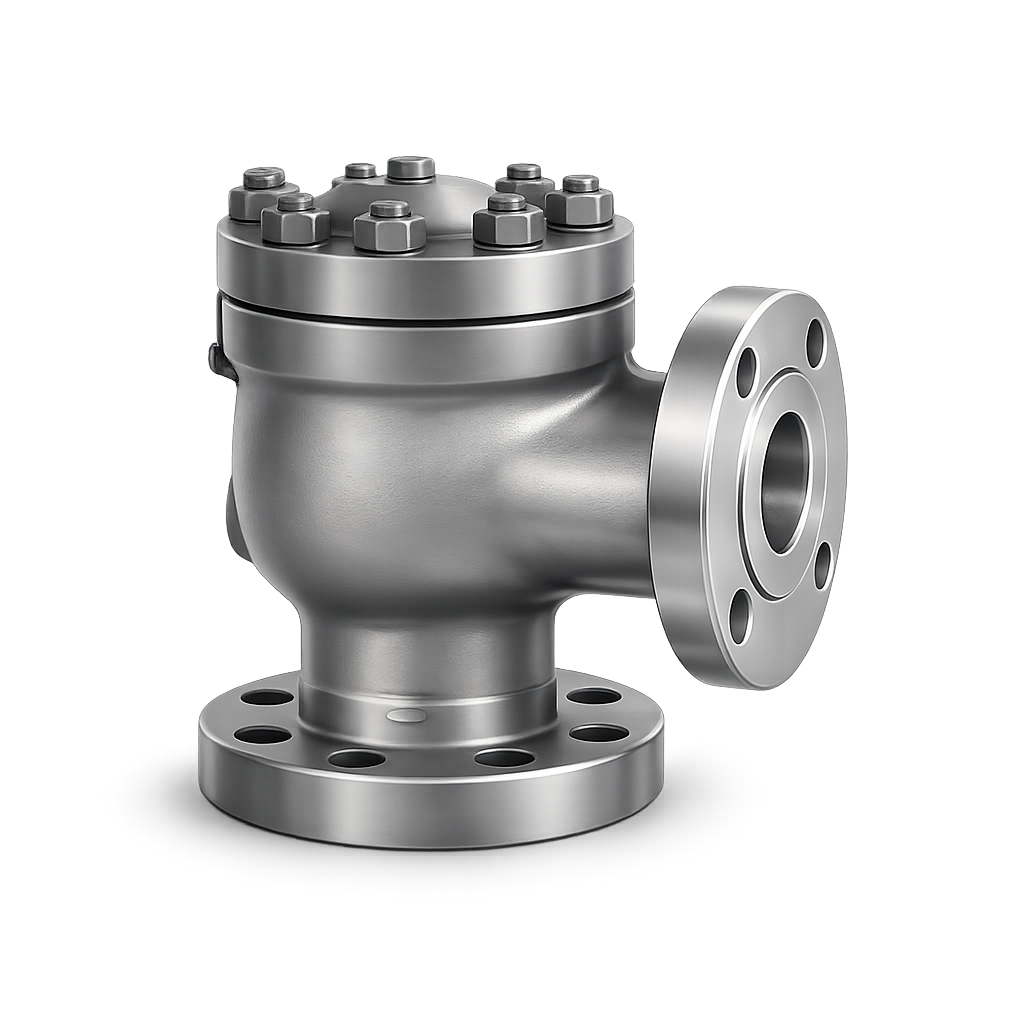
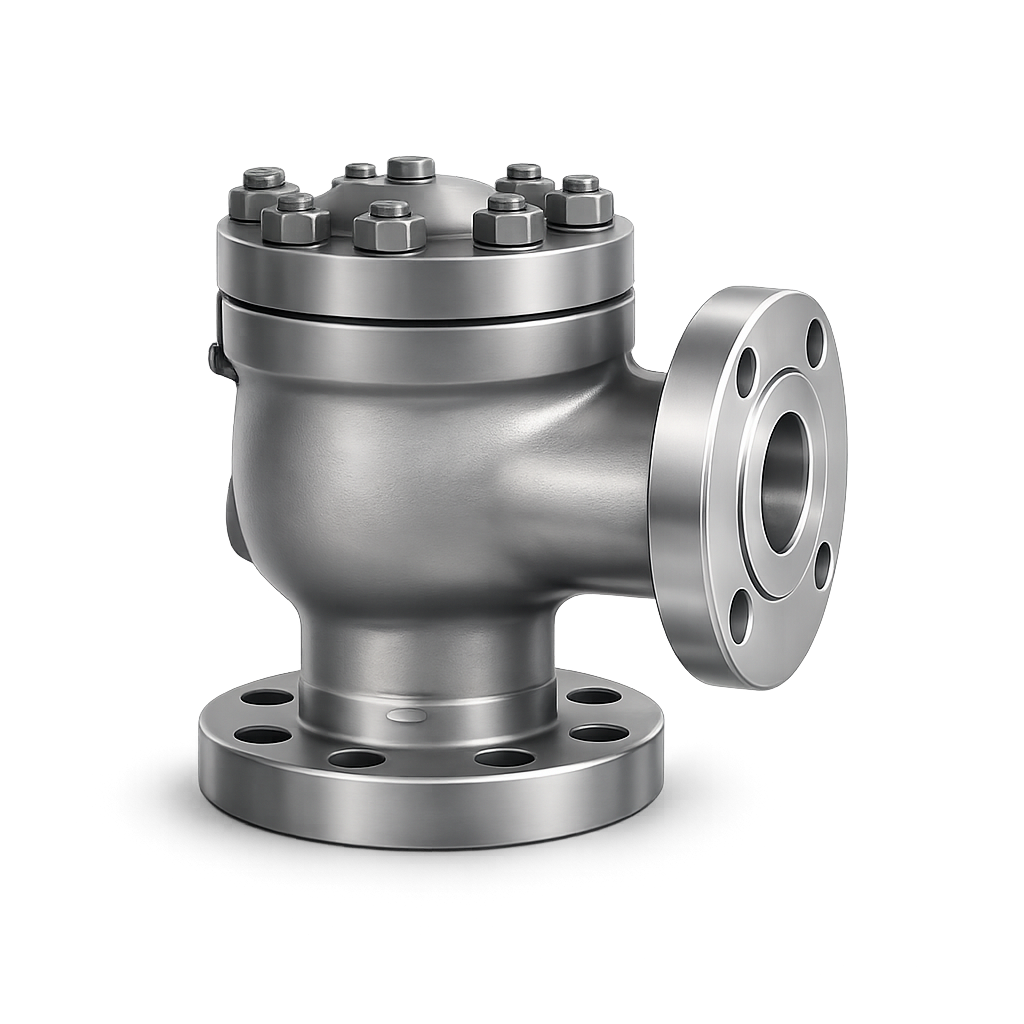
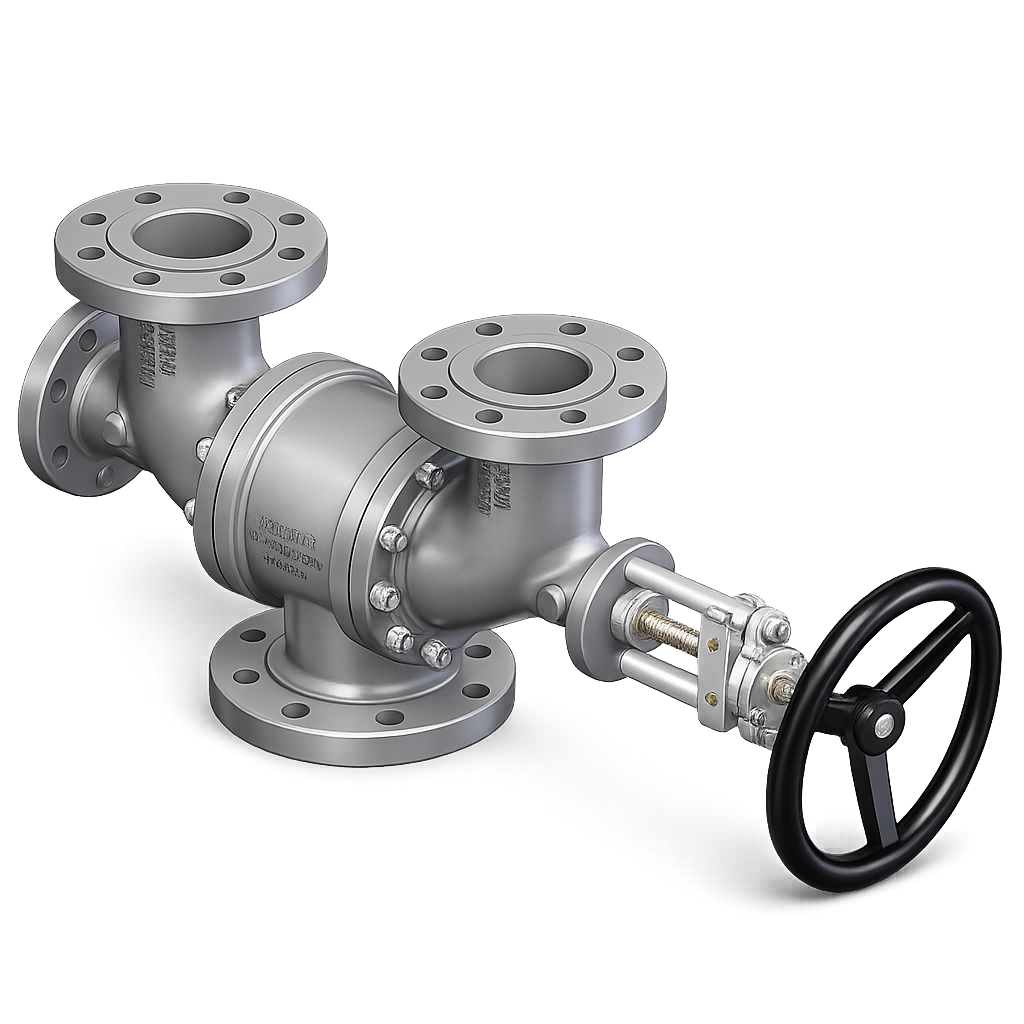
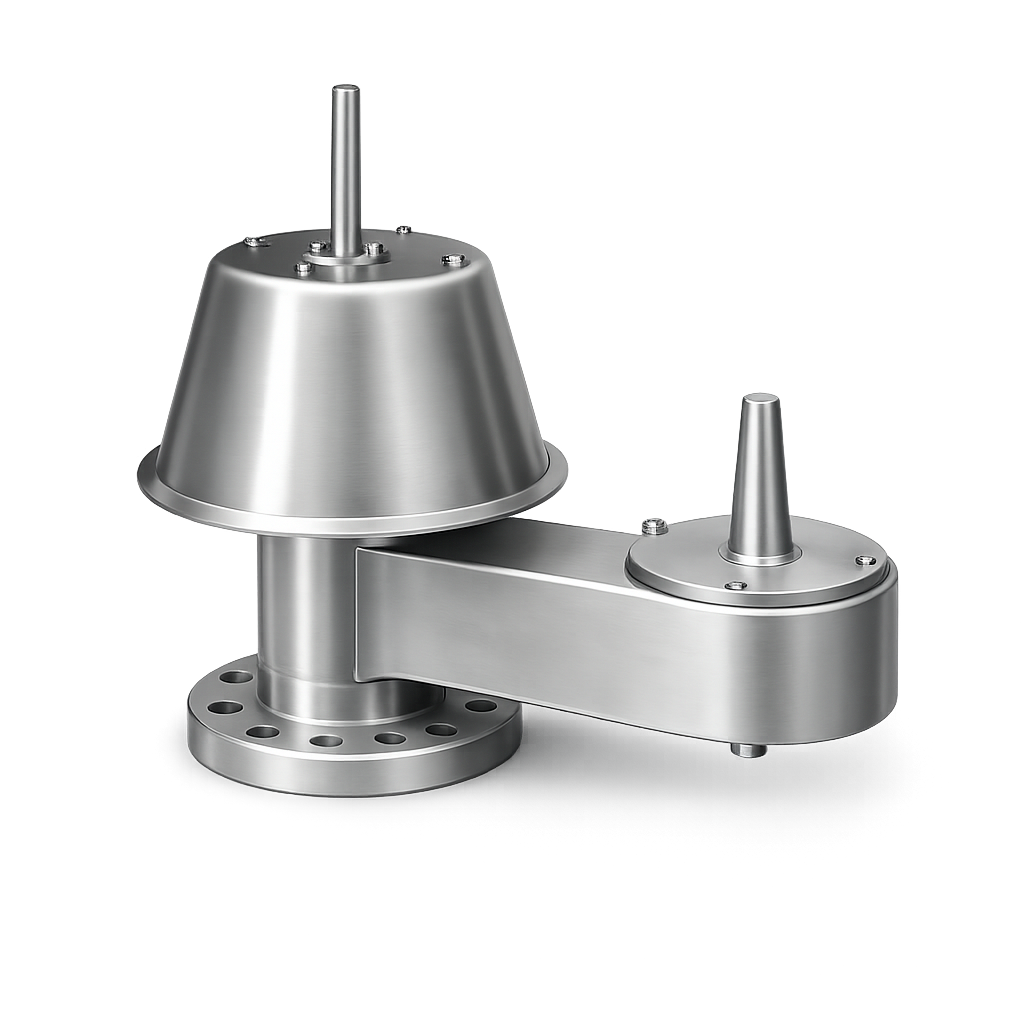
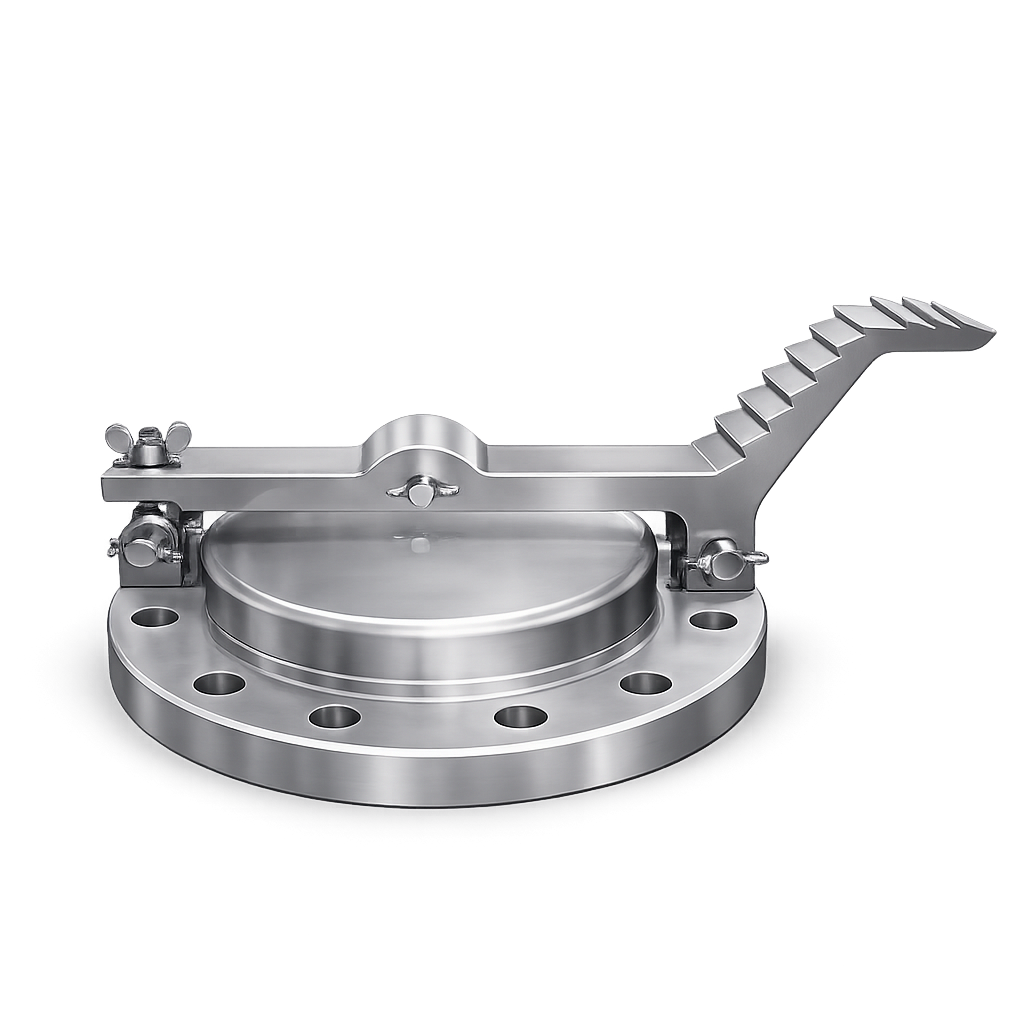
EF1400LP low-pressure flanged safety valve for tank protection

Applications

Configured Service Scope
ATEX / Hazardous Area
Chemical
Oil & Gas
Petrochemical
Water

Key Specifications

NOMINAL SIZESDN25 to DN400 (1” to 16”)
PRESSURE RANGE (SET PRESSURE)5 to 200 mbar
TEMPERATURE RANGE-96°C to +350°C
DESIGN STANDARDSEN 4126 / API RP 520 / API STD 526 / ASME Section VIII
MATERIALSCarbon Steel A216 WCB / Stainless Steel A351 CF3M or 1.4409; Duplex / Super Duplex on request
CONNECTIONSFlanged EN / ASME B16.5
FLANGE RATINGSPN16 / ASME Class 150
CERTIFICATIONSPED / CE / ATEX

Selection & RFQ Assistant

Help us identify the right solution
Guided request

Build a technical RFQ line with service data, sizing conditions, accessories and documents.

01
Service
02
Process
03
Options

FAQs

The EF1400LP is a spring-loaded safety valve designed to protect industrial process systems against overpressure at very low set pressures. It is intended for applications where conventional spring-loaded safety valves may not offer the required operating range.
A low-pressure safety valve provides overpressure protection at set pressures below the practical operating range of many conventional spring-loaded safety valves.
The EF1400LP is available for set pressures from 5 to 200 mbar, depending on the selected configuration and application.
The EF1400LP is specifically designed for very low set pressures and large-flow applications. Its configuration is intended for duties where a conventional spring-loaded safety valve would not provide the required operating range.

ABOUT EF1400LP

The Pressure Safety Valve Model 1400LP is a flanged spring-loaded safety valve specifically designed for low-pressure applications, providing reliable overpressure protection in storage tanks, process systems, and installations operating at very low set pressures.

Designed and manufactured in accordance with EN 4126 and compliant with the Pressure Equipment Directive (PED), the 1400LP ensures stable and accurate pressure relief in systems with set pressures typically ranging from 5 to 200 mbar.

The valve is available in a wide range of materials, including carbon steel and stainless steel, allowing adaptation to different process conditions and environments. Duplex and Super Duplex executions can also be evaluated on request.

With its flanged design and high discharge capacity, the 1400LP is particularly suitable for applications requiring large flow handling and reliable protection under low-pressure conditions, such as tanks, storage systems, and atmospheric or low-pressure process installations.

Frequently Asked Questions

The EF1400LP is a spring-loaded safety valve designed to protect industrial process systems against overpressure at very low set pressures. It is intended for applications where conventional spring-loaded safety valves may not offer the required operating range.
A low-pressure safety valve provides overpressure protection at set pressures below the practical operating range of many conventional spring-loaded safety valves.
The EF1400LP is available for set pressures from 5 to 200 mbar, depending on the selected configuration and application.
The EF1400LP is specifically designed for very low set pressures and large-flow applications. Its configuration is intended for duties where a conventional spring-loaded safety valve would not provide the required operating range.
At low relieving pressures, gas or vapour density can be relatively low and the volumetric flow to be discharged can become large. Some applications may therefore require a comparatively large relieving area and valve size. Final sizing must always be based on the required relieving capacity and actual process conditions.
The EF1400LP can be considered for low-pressure overpressure protection with steam, gases, vapours and liquids, provided that the process conditions fall within the applicable valve range. Selection should consider set pressure, relieving capacity, temperature, backpressure, materials and discharge conditions.
Yes. The EF1400LP can protect tanks and storage systems where the required set pressure, relieving capacity and process conditions are compatible with the valve. The relieving scenario must be defined before final sizing.
Yes. It can be used for low-pressure gas and vapour relief duties when the selected configuration is suitable for the fluid and operating conditions. Set pressure, relieving capacity, temperature and backpressure must be defined for final selection.
Yes. It can be considered for low-pressure steam applications when the required set pressure and relieving conditions fall within the valve operating range. Final selection must be based on the actual steam conditions and required relieving capacity.
Yes, where lower-pressure equipment downstream of a pressure-reducing system requires protection against a credible overpressure scenario. The relief case and required capacity must be established from the actual process and failure conditions before valve selection.
The EF1400LP is a spring-loaded pressure safety valve intended for overpressure protection. A pressure/vacuum relief valve is designed to protect tanks against both positive pressure and vacuum. The correct device depends on the protected equipment, set pressure, relieving scenario and whether vacuum protection is also required.
No. The EF1400LP is intended for overpressure protection. Where vacuum protection is also required, a dedicated pressure/vacuum relief solution should be evaluated separately.
No. A safety valve must be selected according to the required relieving capacity and process conditions, not simply by matching the pipeline diameter. Low-pressure applications may require comparatively large valve connections because of the required relieving area.
The EF1400LP is available from DN25 to DN400, approximately 1 to 16 inches, depending on the selected configuration. Final size must be determined from the required relieving capacity and installation conditions.
Published material options include carbon steel A216 WCB and stainless steel A351 CF3M or 1.4409. Duplex and Super Duplex executions can also be evaluated on request. Material selection must consider the process fluid, temperature, corrosion requirements and project specification.
The EF1400LP is supplied with flanged connections. EN PN16 and ASME B16.5 Class 150 configurations are available. The required flange standard and size must be confirmed during valve selection.
The published operating temperature range is approximately -96°C to +350°C, depending on the selected material and valve configuration. The final allowable temperature must be confirmed for the selected execution.
Typical information includes: - Set pressure - Required relieving capacity - Fluid - Relieving temperature and pressure - Fluid properties, where applicable - Inlet pressure conditions - Backpressure or discharge conditions - Applicable design code - Required connection standard and size These data are needed to review the correct valve configuration and relieving capacity.
Delivery time depends on the selected size, material, configuration and project requirements. Standard configurations may have shorter lead times, while large sizes, special materials, inspection or documentation requirements may require additional time. The applicable lead time is confirmed with each quotation.
Yes. Inspection and testing can be arranged according to the agreed project scope, and the valve can be supplied with the applicable technical documentation and certification. EFSVALVES can also support export packaging, logistics and international delivery coordination.
Yes. The EF1400LP can be supplied for EPC and project-managed applications when process data, sizing conditions, materials, flange requirements, inspection and documentation requirements are defined during the RFQ stage. The final configuration must be confirmed against the project specification and actual process conditions.